Inflation to go up in March 2026 - Report
Ghana's economic landscape is a complex tapestry woven with threads of global markets, domestic policies, and the everyday realities of its citizens. The nation has, for some time, been navigating the intricate path of managing inflation, a key indicator of economic health that directly impacts the cost of living, business investments, and overall financial stability. Various institutions, both governmental and private, dedicate significant resources to monitoring and forecasting these economic trends, aiming to provide insights that can guide policy decisions and inform the public.
Ghana's history with inflation is marked by periods of both stability and volatility. In recent years, the country has implemented various strategies to curb inflation, including monetary policy adjustments, fiscal discipline measures, and efforts to improve supply chain efficiencies. The Bank of Ghana, as the central bank, plays a crucial role in managing inflation through its monetary policy tools, such as adjusting the policy rate and managing liquidity in the financial system. The government's fiscal policies, including taxation and spending decisions, also have a significant impact on inflation. Furthermore, external factors such as global commodity prices, exchange rate fluctuations, and international trade dynamics can exert considerable influence on Ghana's inflation rate. The agricultural sector, a significant contributor to the Ghanaian economy, is particularly vulnerable to supply chain disruptions, which can lead to price increases for essential food items.
The current economic climate in Ghana involves a delicate balancing act between promoting growth and maintaining price stability. Key players in this arena include the government, the Bank of Ghana, various economic research institutions, and businesses across different sectors. Tensions can arise when policy decisions aimed at controlling inflation potentially stifle economic growth, or when measures to stimulate growth risk fueling inflationary pressures. The stakes are high, as sustained high inflation can erode purchasing power, discourage investment, and ultimately undermine economic progress. The well-being of Ghanaian citizens is directly linked to the stability of prices, making inflation a matter of national concern.
As Ghana moves forward, several key questions remain regarding the future trajectory of inflation. Will the measures currently in place be sufficient to maintain price stability in the face of emerging global challenges? How will domestic policies adapt to address potential supply chain disruptions and other cost pressures? What impact will international events, such as geopolitical conflicts and fluctuations in global commodity prices, have on Ghana's inflation rate? The answers to these questions will undoubtedly shape the economic landscape of Ghana in the coming months and years, and the insights provided by economic research firms will be crucial in navigating this complex terrain.
Quick Summary
IC Research is projecting a rise in inflation for March 2026. Supply-chain issues and other financial pressures are said to be the cause - but what could this mean for the economy?
Summary - read the full story for complete context.
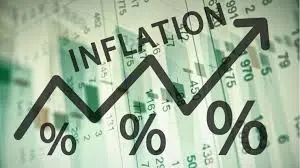
Image: MyJoyOnline
Also covered by
GhanaFront aggregates news from trusted sources. Click to read the original article.
Keywords
Explore related tagsMore from MyJoyOnline
Related Stories
More from Business & Economy

Development expert outlines blueprint to operationalise Ghana's 24-hour economy
Can a new blueprint unlock job creation and transform Ghana's economy amid a youth joblessness crisis?
2d ago•