Indian foreign minister hails talks with Iran to open Strait of Hormuz, FT reports
The Strait of Hormuz, a narrow waterway connecting the Persian Gulf to the Gulf of Oman and the Arabian Sea, has once again become a focal point of international attention. India's foreign minister finds himself navigating a complex situation involving maritime security, international relations, and energy security. The backdrop involves rising tensions in the region, fueled by actions and pronouncements from various global powers, including the United States. The situation is further complicated by the involvement of Iran, a key player in the region with its own strategic interests.
The Strait of Hormuz is of paramount importance to global energy markets, serving as a critical chokepoint for oil and gas shipments. Any disruption to shipping through this waterway can have significant repercussions for global energy prices and supply chains. For Ghana, a nation heavily reliant on imported oil for its energy needs, stability in the Strait of Hormuz is crucial. Higher oil prices translate directly into increased fuel costs for consumers and businesses, impacting the overall economy. Furthermore, Ghana's own nascent oil and gas industry is sensitive to global market fluctuations, making the security of key transit routes like the Strait of Hormuz a matter of national economic interest. Historically, Ghana has maintained a non-aligned stance in international conflicts, prioritizing diplomatic solutions and regional stability. This approach is informed by the nation's commitment to multilateralism and its focus on fostering peaceful relations with all countries.
The key players in this unfolding situation include India, with its growing energy needs and strategic interests in the region; Iran, seeking to assert its regional influence and protect its own maritime interests; and the United States, with its long-standing security commitments in the Middle East and its concerns about Iran's nuclear program. Other nations, including China, France, Japan, South Korea, and the United Kingdom, also have significant economic and security interests tied to the free flow of shipping through the Strait of Hormuz. The tensions are palpable, with the potential for miscalculation and escalation always present. The stakes are high, not only for the countries directly involved but also for the global economy as a whole. Any disruption to shipping could trigger a surge in oil prices, impacting economies worldwide and potentially leading to broader geopolitical instability.
Several key questions remain unanswered. What specific steps are being taken to ensure the safety of shipping through the Strait of Hormuz? What are the underlying motivations driving the various actors involved? What role can diplomacy play in de-escalating tensions and preventing a potential crisis? How might other nations, including those in Europe, navigate their own relationships with Iran in light of the current situation? And, crucially, what are the long-term implications for regional stability and global energy security? The answers to these questions will shape the future of the region and have far-reaching consequences for the world.
Quick Summary
India's foreign minister has engaged in direct talks with Iran regarding shipping through the Strait of Hormuz. These discussions may hold significance for international relations and trade routes - but what progress has been made?
Summary - read the full story for complete context.
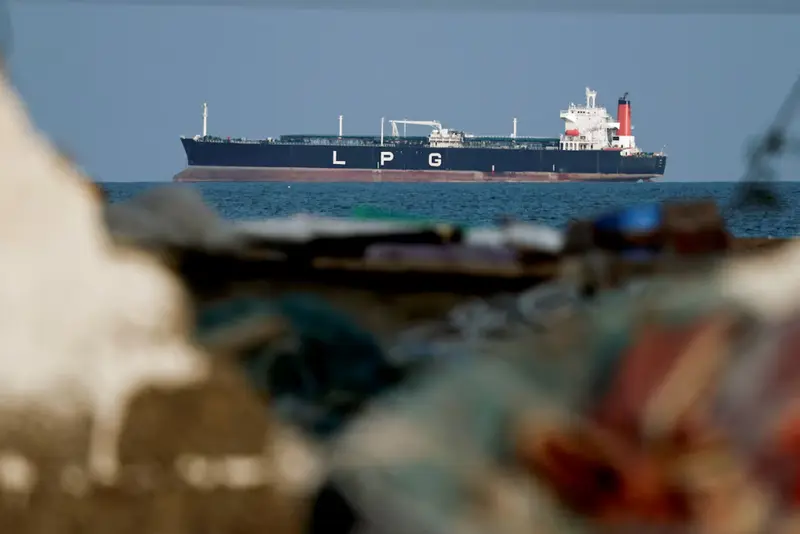
Image: MyJoyOnline
GhanaFront aggregates news from trusted sources. Click to read the original article.
Keywords
Explore related tagsMore from MyJoyOnline
Related Stories
More from Politics
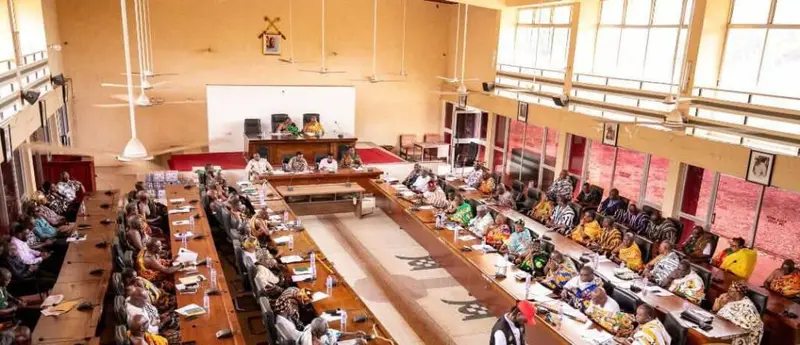
Do not identify yourself as Ziavi Paramount Chief or Queen - Volta Region House of Chiefs warns
A traditional leadership battle in Ziavi faces a judicial freeze - who will ultimately claim the stool?
1d ago•