If 1D1F worked, unemployment would be solved - GNCCI boss
The Ghanaian business landscape is currently buzzing with discussions surrounding economic policy and its impact on the nation's persistent unemployment challenges. At the heart of these discussions are key figures from both the political and private sectors, each bringing their unique perspectives to the table. The debate centers around the effectiveness of past and proposed government initiatives aimed at stimulating economic growth and creating job opportunities, particularly for Ghana's burgeoning youth population. A prominent voice in these conversations is the head of the Ghana National Chamber of Commerce and Industry (GNCCI), an organization that plays a crucial role in advocating for the interests of businesses across the country.
Ghana's economic history is marked by ambitious development plans and policy interventions, often with the goal of diversifying the economy and reducing reliance on traditional exports. The "One District One Factory" (1D1F) initiative, launched several years ago, aimed to establish factories in each of Ghana's administrative districts, leveraging local resources and creating employment at the grassroots level. This policy was seen as a potential game-changer in addressing unemployment and promoting industrialization. Simultaneously, the concept of a "24-hour economy" has gained traction, envisioning a business environment where economic activities operate around the clock, maximizing productivity and creating more opportunities for employment. These policies are not operating in a vacuum. They are being discussed against a backdrop of rising youth unemployment, a critical issue that has fueled social unrest and migration. The private sector, often touted as the engine of economic growth, is expected to play a pivotal role in the success of these initiatives.
The key players in this ongoing discourse include government officials responsible for formulating and implementing economic policies, representatives from the private sector such as the GNCCI boss who advocate for the needs of businesses, and the general public who are directly affected by the success or failure of these policies. Tensions often arise between the government and the private sector regarding the level of support and incentives provided to businesses, as well as the bureaucratic hurdles that can hinder their growth. There are also questions around the equitable distribution of resources and opportunities, with concerns that certain businesses or individuals may benefit more than others. The stakes are high, as the success of these policies will determine whether Ghana can effectively address its unemployment crisis, stimulate sustainable economic growth, and improve the living standards of its citizens.
Several open questions remain at the forefront of this debate. How effectively have past policies, such as 1D1F, been implemented, and what lessons can be learned from their successes and failures? What specific incentives and support mechanisms are needed to encourage private sector participation in new initiatives like the 24-hour economy? How can the government ensure that resources are allocated fairly and transparently, reaching the businesses and individuals who need them most? And crucially, how can the government and the private sector work together to create a conducive environment for entrepreneurship and job creation, ultimately addressing Ghana's unemployment challenges? These questions are driving the current dialogue and shaping the future of Ghana's economic development.
Quick Summary
The Ghana National Chamber of Commerce and Industry (GNCCI) CEO, Mark Badu Aboagye, discussed Ghana's unemployment issues. He believes a particular government initiative could have made a big difference - if properly executed.
Summary - read the full story for complete context.
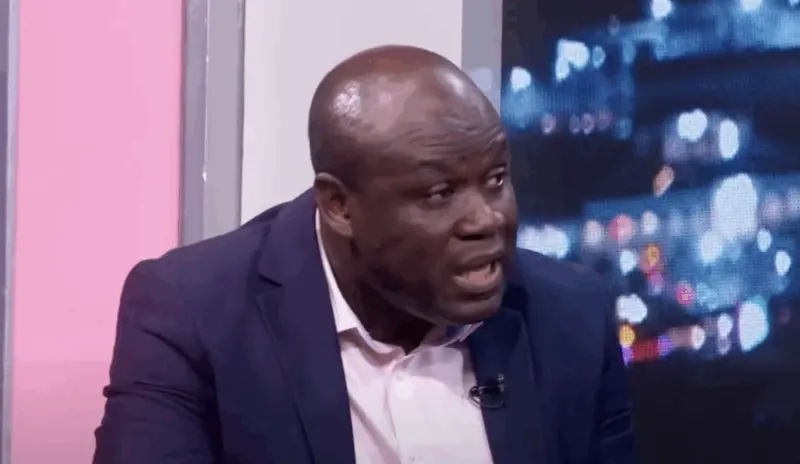
Image: MyJoyOnline
Also covered by
GhanaFront aggregates news from trusted sources. Click to read the original article.
Keywords
Explore related tagsMore from MyJoyOnline
Related Stories
More from Business & Economy
IEAG calls for urgent intervention to decongest ports
Port congestion is worsening - will a high-level government intervention prevent a full-blown economic crisis?
18h ago•2 min read