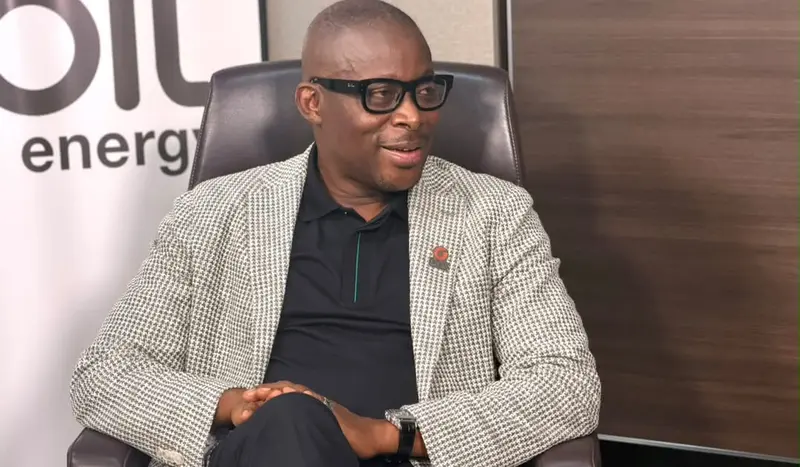
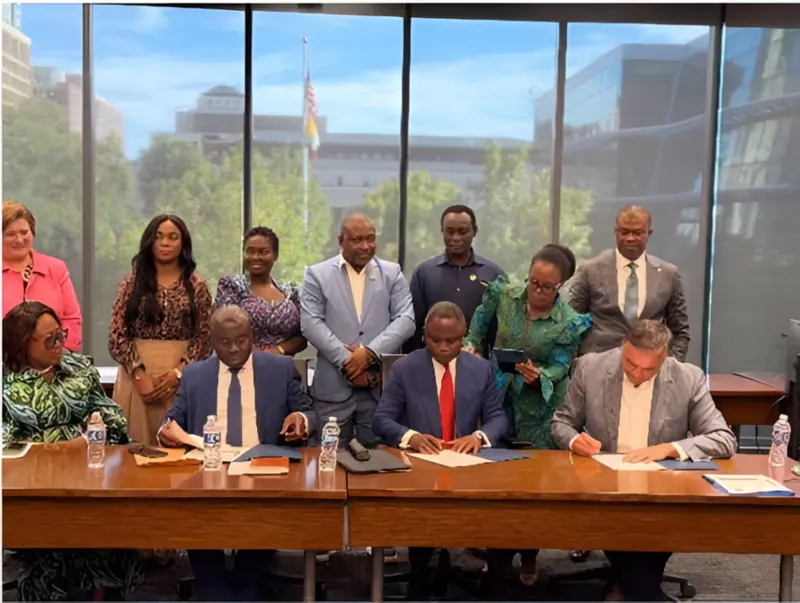
I inherited $110m debt owed to BP as GOIL CEO - Edward Bawa
Edward Bawa's name is increasingly associated with the fortunes of Ghana Oil Company Limited, more commonly known as GOIL. His leadership comes at a crucial juncture for the state-owned enterprise, a company deeply intertwined with the nation's energy security and economic stability. GOIL's role extends beyond simply supplying fuel; it's a symbol of Ghanaian ownership in a sector often dominated by multinational corporations. The company's performance is therefore closely watched by the government, industry analysts, and everyday citizens alike. The narrative surrounding GOIL is one of ambition, navigating challenges, and striving to maintain its relevance in a rapidly evolving market.
Ghana's downstream petroleum sector is a complex landscape, shaped by a history of government regulation and gradual liberalization. For many years, the state played a dominant role, controlling prices and distribution. However, the introduction of deregulation policies aimed to foster competition and efficiency has led to a more dynamic market, with numerous private players vying for market share. This shift has presented both opportunities and challenges for GOIL. On one hand, it has forced the company to become more competitive and innovative. On the other hand, it has exposed it to the pressures of fluctuating global oil prices, exchange rate volatility, and the need to constantly adapt to changing consumer preferences. The company's ability to secure reliable supply chains and manage its finances effectively is paramount to its success. Furthermore, the public perception of GOIL as a national asset places a unique responsibility on its leadership to uphold transparency and accountability in its operations.
The key players involved in GOIL's story extend beyond its CEO and management team. The Ministry of Energy, as the government's representative, plays a crucial oversight role, setting policy direction and monitoring the company's performance. Financial institutions are also key stakeholders, providing the necessary capital for GOIL to finance its operations and investments. Furthermore, the company's suppliers, both domestic and international, are critical partners in ensuring a consistent and reliable supply of petroleum products. Tensions can arise from various sources, including the need to balance profitability with social responsibility, navigating political pressures, and managing relationships with various stakeholders. The stakes are high, as GOIL's performance directly impacts the nation's energy security, economic stability, and the livelihoods of countless Ghanaians who rely on its products and services.
Several open questions remain regarding GOIL's trajectory. How will the company navigate the increasing competition from private players in the downstream petroleum sector? What strategies will it employ to secure reliable supply chains and manage its financial obligations effectively? How will it balance the need for profitability with its role as a national asset? And perhaps most importantly, how will its leadership address the challenges of transparency and accountability to maintain public trust and confidence? The answers to these questions will undoubtedly shape the future of GOIL and its contribution to Ghana's economic development.
Quick Summary
GOIL PLC's CEO, Edward Bawa, discussed the company's financial state upon his arrival in 2025. He highlighted the challenges of a substantial debt owed to a major petroleum supplier - hinting at the uphill battle faced by the company.
Summary - read the full story for complete context.
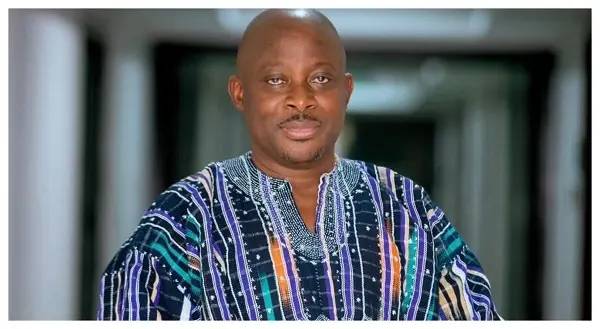
Image: MyJoyOnline
GhanaFront aggregates news from trusted sources. Click to read the original article.
Keywords
Explore related tagsMore from MyJoyOnline
Related Stories
More from Business & Economy
IEAG calls for urgent intervention to decongest ports
Port congestion is worsening - will a high-level government intervention prevent a full-blown economic crisis?
19h ago•2 min read