High public sector wage bill leaves Ghana with little room to hire new workers
The Ghanaian public sector, a significant employer and driver of economic activity, has recently come under scrutiny. The role of the Finance Minister, a key figure in managing the nation's purse strings, has been particularly highlighted amidst growing concerns about employment and compensation within the government workforce. Whispers of potential constraints on hiring and remuneration have circulated, prompting questions about the government's financial capacity and its implications for the broader economy. The situation has ignited debate and speculation, leaving many eager to understand the underlying dynamics at play.
Ghana's public sector wage bill has long been a subject of intense debate and analysis. For years, economists and policymakers have grappled with the challenge of balancing the need for a well-compensated and motivated public workforce with the imperative of maintaining fiscal discipline. Historical trends reveal a consistent upward trajectory in public sector spending, fueled by factors such as population growth, expansion of government services, and periodic salary adjustments. This trend is especially important in Ghana, where the public sector is a major employer. The sector's health directly affects the livelihoods of countless families and the overall stability of the economy. Any perceived strain on the government's ability to meet its financial obligations to its employees raises concerns about potential disruptions to public services and the broader economic outlook.
At the heart of this issue lies a complex interplay of key stakeholders. The Finance Minister, tasked with managing the nation's finances, faces the unenviable challenge of balancing competing demands and priorities. Labor unions, representing the interests of public sector workers, are understandably keen to ensure fair compensation and job security for their members. The general public, meanwhile, looks to the government to provide essential services and maintain economic stability. The tension arises from the potential conflict between these competing interests. Limited financial resources necessitate difficult choices, and any decision regarding public sector employment and compensation is bound to have far-reaching consequences. The stakes are high, as the outcome will not only impact the livelihoods of public sector workers but also shape the overall trajectory of Ghana's economic development.
Several crucial questions remain unanswered, driving the need for greater clarity and transparency. How will the government navigate the current fiscal constraints while ensuring the continued delivery of essential public services? What specific measures are being considered to address the structural challenges that contribute to the high public sector wage bill? And perhaps most importantly, what is the long-term vision for sustainable job creation and economic growth in Ghana? These are the questions on the minds of many Ghanaians, and the answers will undoubtedly shape the nation's economic future.
Quick Summary
Ghana's Finance Minister recently addressed concerns about delays in hiring and paying public sector workers. He highlighted the critical state of government finances - leaving many to wonder about the immediate future.
Summary - read the full story for complete context.
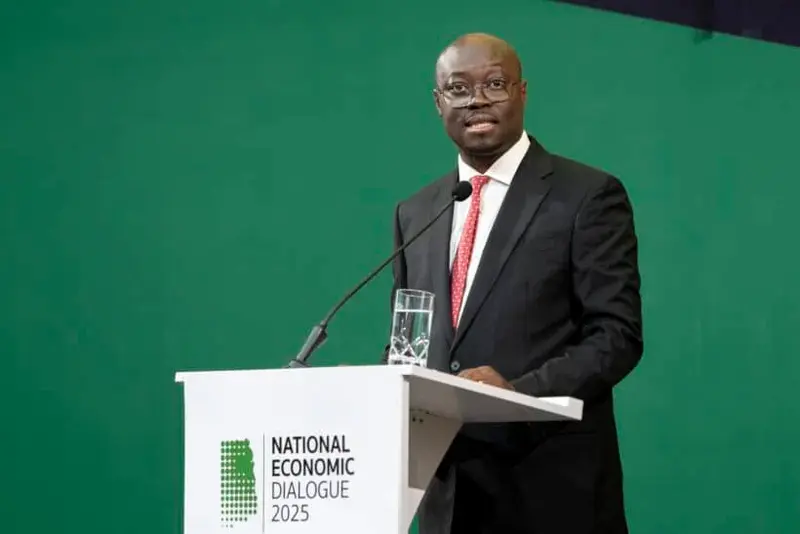
Image: Joy Business
GhanaFront aggregates news from trusted sources. Click to read the original article.
Keywords
Explore related tagsMore from Joy Business
Related Stories
More from Business & Economy
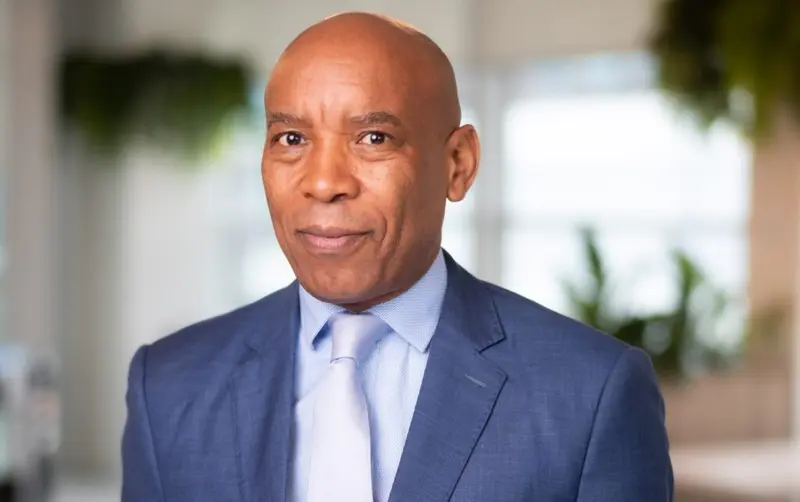
CIMA President Alfred Ramosedi to engage Ghana's finance, business leaders
A top global accountant lands in Ghana - what shift is he bringing to the finance profession?
2d ago•