Government did not instruct cocoa buyers to halt purchases - LBCs President
The cocoa sector in Ghana is a complex web involving numerous actors, from the individual farmer tending their plot in the Ashanti region to the powerful executives at COCOBOD headquarters in Accra. Licensed Buying Companies (LBCs) occupy a critical middle ground, serving as the vital link between the farmers who produce the cocoa and the international markets that consume it. These companies are responsible for purchasing, grading, and transporting the beans, ensuring they meet the quality standards demanded by global chocolate manufacturers. The relationship between the government, through COCOBOD, and these LBCs is a delicate dance of regulation, financing, and shared responsibility for the health of the industry. Then, of course, there are the politicians, always keen to weigh in on matters of national importance, especially those impacting the livelihoods of rural communities.
Cocoa is more than just a commodity in Ghana; it’s a cornerstone of the economy and a source of national pride. For generations, it has been a major export earner, contributing significantly to the country’s GDP and providing employment for millions of Ghanaians, directly and indirectly. However, the industry faces persistent challenges, including fluctuating global prices, climate change impacts on yields, and the ever-present threat of smuggling and illegal mining encroaching on cocoa farms. Ensuring fair prices for farmers and timely payments for their produce is crucial for maintaining the sustainability of the sector and preventing farmers from being lured away by more lucrative, but often environmentally damaging, alternatives. The political implications are also significant; a thriving cocoa sector translates to rural stability and support for the government in power. Conversely, farmer discontent can quickly escalate into political unrest.
The key players in this particular situation include the President of the LBCs, representing the interests of the buying companies and their ability to operate effectively. COCOBOD, as the regulatory body, is responsible for overseeing the entire cocoa value chain and ensuring that the interests of all stakeholders are protected. Then there's a Member of Parliament who has recently voiced concerns about the state of the industry. These individuals, along with the cocoa farmers themselves, are all deeply invested in the smooth functioning of the cocoa market. Tensions can arise when there are perceived delays in payments, disagreements over pricing, or concerns about the transparency of the purchasing process. The stakes are high; the economic well-being of countless farmers, the financial stability of the LBCs, and the overall reputation of Ghana as a reliable cocoa producer are all on the line.
Several questions remain unanswered. What is the true extent of any payment delays, and what are the underlying causes? What impact, if any, are these concerns having on farmer morale and productivity? What specific measures are being taken to address the challenges facing the cocoa sector and ensure its long-term sustainability? And, perhaps most importantly, how will these events ultimately affect the relationship between the government, the LBCs, and the cocoa farmers who are the backbone of this vital industry?
Quick Summary
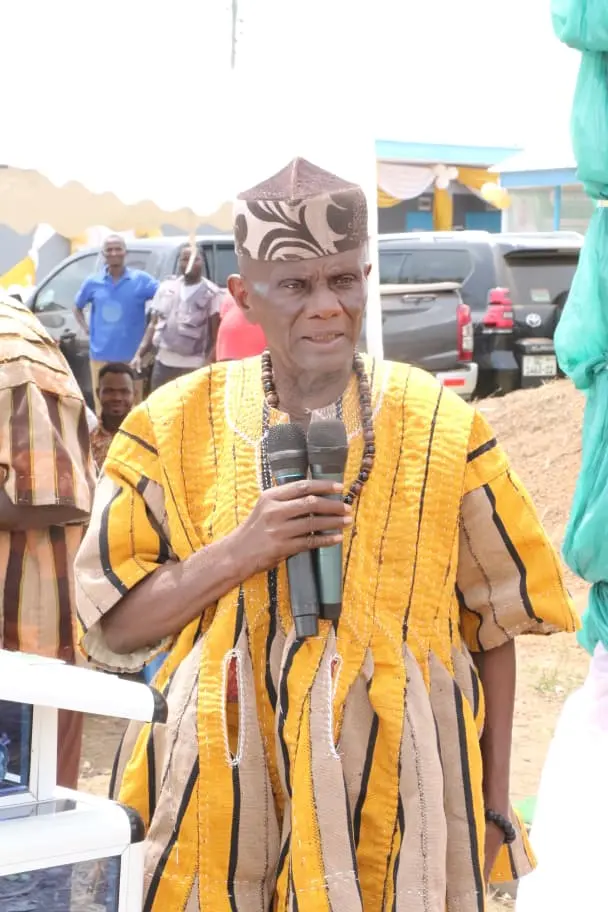
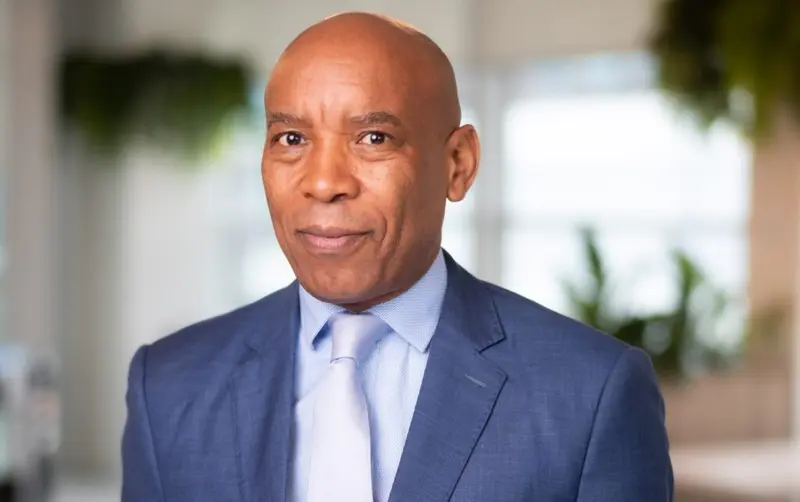
Samuel Adimado, President of the LBCs, addresses concerns about delayed payments to cocoa farmers. He is responding to allegations that the government instructed cocoa buyers to halt purchases - stirring up the cocoa industry.
Summary - read the full story for complete context.
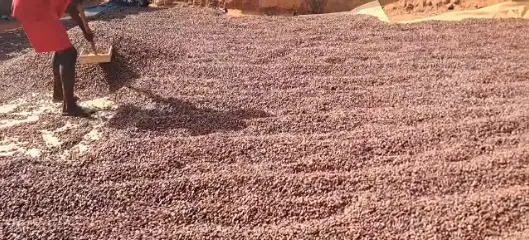
Image: Adom Online
Also covered by
GhanaFront aggregates news from trusted sources. Click to read the original article.
More from Adom Online
Related Stories
More from Business & Economy
CIMA President Alfred Ramosedi to engage Ghana's finance, business leaders
A top global accountant lands in Ghana - what shift is he bringing to the finance profession?
2d ago•