Government begins nationwide registration of small-scale miners
The landscape of Ghana's mining sector is a complex tapestry woven with threads of economic opportunity, environmental concerns, and the livelihoods of countless individuals. At the heart of this sector are the small-scale miners, often operating in remote areas, whose activities contribute significantly to the nation's gold production. These miners, frequently organized in informal groups, navigate a challenging environment marked by fluctuating gold prices, regulatory hurdles, and the ever-present need for sustainable practices. Their operations, while vital to local economies, have also been linked to environmental degradation, prompting ongoing efforts to formalize and regulate their activities. Various stakeholders, including government agencies, traditional authorities, and environmental organizations, are deeply invested in shaping the future of this sector.
Small-scale mining, known locally as "galamsey," has a long and complex history in Ghana. For generations, it has provided a source of income for many, particularly in rural communities. However, the sector has also been plagued by issues such as illegal mining, environmental damage from improper mining techniques, and social challenges related to land ownership and resource management. Over the years, successive governments have attempted to formalize the sector, aiming to bring artisanal miners into the formal economy, improve environmental practices, and ensure that the state benefits from the extraction of its mineral resources. These efforts have often faced resistance and challenges, highlighting the need for inclusive and sustainable solutions that address the needs of all stakeholders. The sector's contribution to Ghana's GDP and employment cannot be ignored, making its responsible management a national priority.
The key players in this narrative include the government, represented by the Minerals Commission and the Environmental Protection Agency (EPA), tasked with regulating and overseeing mining activities. Traditional authorities, who often hold customary ownership of land where mining takes place, also play a crucial role. The small-scale miners themselves, organized in various groups and cooperatives, are central to the story. Environmental organizations and civil society groups advocate for responsible mining practices and environmental protection. Tensions often arise between these stakeholders due to competing interests and priorities. For example, the government's desire to increase revenue from the mining sector may clash with the miners' need for affordable and accessible operating permits. Similarly, environmental concerns may conflict with the economic needs of communities dependent on mining for their livelihoods. The stakes are high, as the future of Ghana's mining sector hinges on finding a balance between economic development, environmental sustainability, and social equity.
Several open questions remain. How effectively will the registration process reach and engage small-scale miners across the country? What mechanisms will be put in place to ensure transparency and prevent corruption in the issuance of operating permits? Will the technical support and monitoring provided to registered cooperatives be sufficient to ensure compliance with environmental standards? How will the government ensure that the gold purchased from registered miners is indeed traceable and legitimate? What role will traditional authorities play in the implementation of the program? The answers to these questions will determine the success of the initiative and its long-term impact on Ghana's mining sector.
Quick Summary
The government, in collaboration with the Minerals Commission, has initiated a nationwide registration of small-scale miners. This exercise aims to formalise and regulate the sector - but what benefits will this bring to the miners?
Summary - read the full story for complete context.
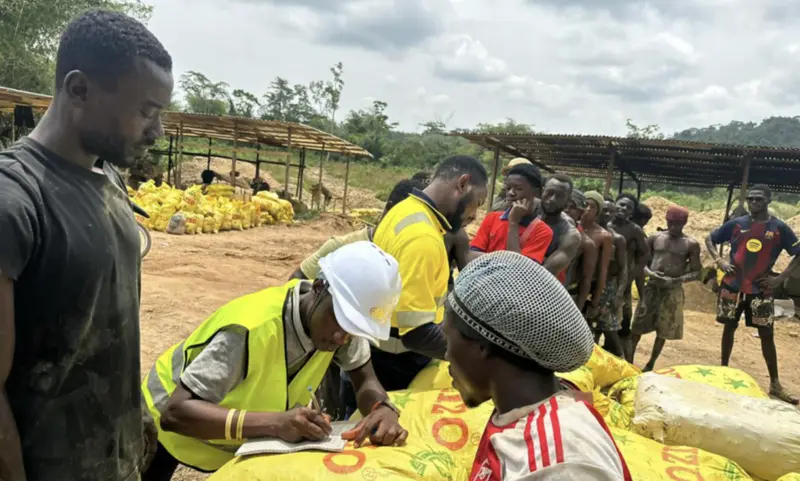
Image: MyJoyOnline
GhanaFront aggregates news from trusted sources. Click to read the original article.
Keywords
Explore related tagsMore from MyJoyOnline
Related Stories
More from Business & Economy
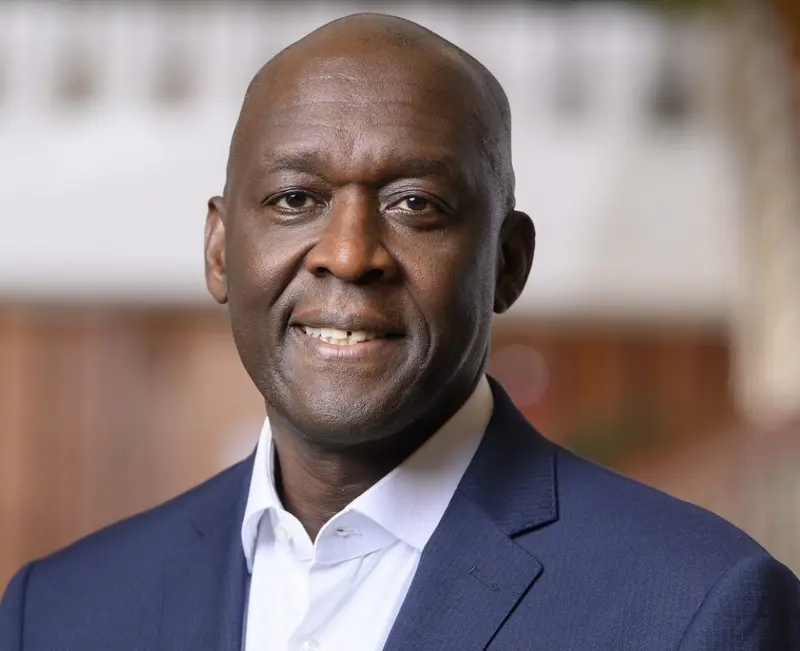
IFC Managing Director Makhtar Diop to visit Ghana for investment talks
What could this high-level IFC visit mean for Ghana's private sector and job creation?
2d ago•2 min read