'Give to gain' to empower yourself, others and the community - Telecel Ghana CEO
Patricia Obo-Nai, a prominent figure in Ghana's telecommunications sector, recently addressed an audience at Central University, a private institution known for its focus on holistic education. The event centered on a globally recognized day dedicated to celebrating women's achievements and advocating for gender equality. The discussions explored the intersection of education, leadership, and societal advancement, prompting reflection on the responsibilities of individuals and organizations in fostering a more equitable future.
Ghana's educational landscape is undergoing continuous evolution, with a growing emphasis on equipping graduates with the skills necessary to thrive in a competitive job market. Simultaneously, there's increasing awareness of the importance of corporate social responsibility and the role businesses play in contributing to national development. The telecommunications industry, in particular, is a significant driver of economic growth in Ghana, and its leaders often engage in public discourse on issues ranging from technological innovation to social impact. Furthermore, discussions surrounding gender equality and women's empowerment are increasingly prominent in Ghana, reflecting a broader global movement towards creating more inclusive societies. These conversations often highlight the need for mentorship, access to opportunities, and the dismantling of systemic barriers that hinder women's progress.
Several key players are invested in shaping the future of education, gender equality, and corporate responsibility in Ghana. Educational institutions like Central University are striving to produce graduates who are not only academically proficient but also socially conscious and equipped to contribute meaningfully to their communities. Corporate leaders, like the CEO of Telecel Ghana, are under pressure to demonstrate their commitment to ethical business practices and social impact initiatives. Civil society organizations and advocacy groups are working tirelessly to promote gender equality and hold both government and businesses accountable for their actions. Tensions can arise between the desire for rapid economic growth and the need to ensure that development is inclusive and sustainable. The stakes are high, as Ghana seeks to navigate the challenges of globalization while preserving its cultural values and promoting the well-being of all its citizens.
Several questions remain open as Ghana continues its journey towards progress. How can educational institutions best prepare students for the evolving demands of the job market while also instilling a sense of social responsibility? What strategies can businesses employ to create truly inclusive workplaces and contribute meaningfully to community development? How can the nation effectively bridge the gender gap and empower women to reach their full potential in all spheres of life? The answers to these questions will shape Ghana's future and determine its success in achieving sustainable and equitable development.
Quick Summary
Telecel Ghana's CEO, Patricia Obo-Nai, spoke at Central University's International Women's Day celebration. She urged attendees to embrace giving as a means of empowering women and strengthening society- but what does that mean for the future?
Summary - read the full story for complete context.
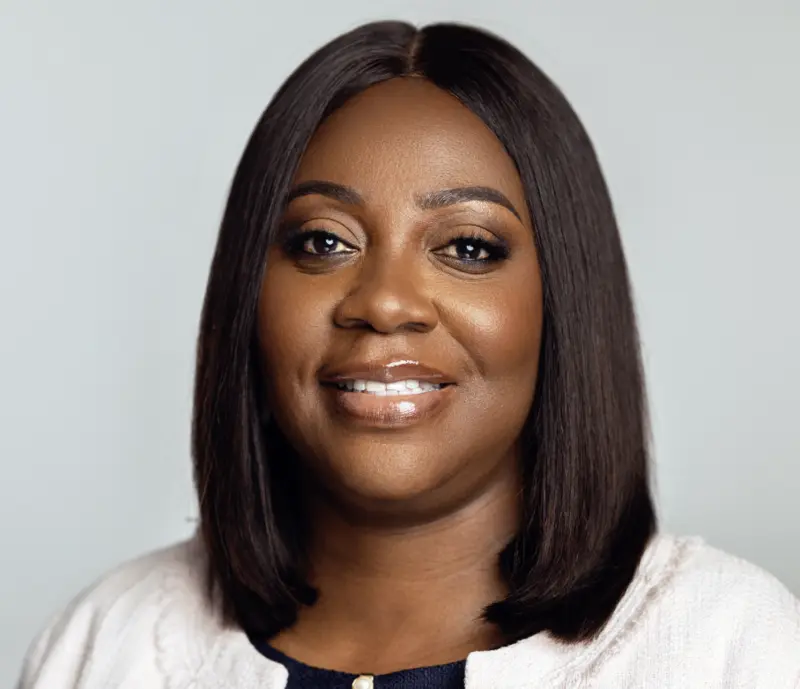
Image: MyJoyOnline
GhanaFront aggregates news from trusted sources. Click to read the original article.
Keywords
Explore related tagsMore from MyJoyOnline
Related Stories
More from Business & Economy
Development expert outlines blueprint to operationalise Ghana's 24-hour economy
Can a new blueprint unlock job creation and transform Ghana's economy amid a youth joblessness crisis?
1d ago•