Ghana’s World Cup Struggles Linked to Poor Long-Term Team Building, Says Sports Minister

Image: GhanaFront Editorial
The Underlying Cause of Ghana's World Cup Difficulties
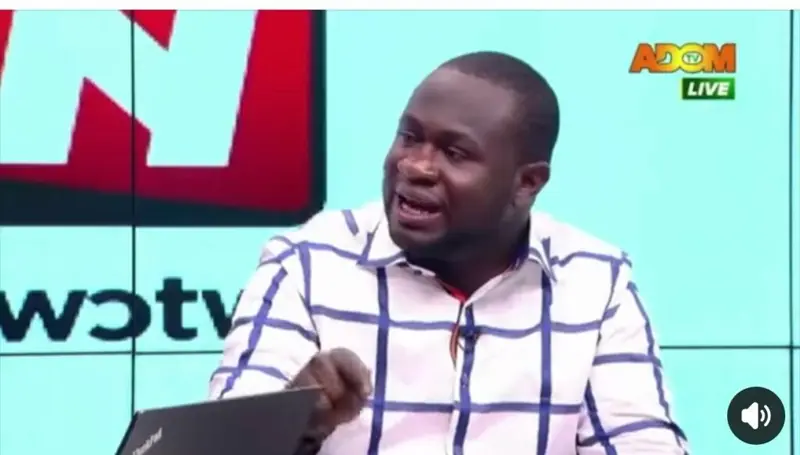
In a candid and comprehensive assessment of Ghana's recent World Cup campaign, Sports Minister Kofi Adams has pointed to a glaring disparity in long-term squad development as the primary reason for the national team's struggles on the global stage. Speaking on Joy News' widely watched PM Express program this Tuesday, the Minister offered a sobering look into the structural, organizational, and tactical deficiencies that ultimately hindered the Black Stars from reaching their full potential.
According to Mr. Adams, the fundamental difference between Ghana and its highly successful World Cup adversaries boiled down to two critical factors: time and stability. While opposing nations arrived at the prestigious tournament with highly integrated squads that had been nurtured over multiple qualifying cycles, Ghana struggled to find the same level of telepathic understanding on the pitch. He noted that many rival teams benefit immensely from fielding groups of players who not only feature together consistently for their national sides but also share dressing rooms at the club level, bringing pre-packaged chemistry to the international arena.
"Where you are coming against teams that possibly have had opportunity to prepare very well and to prepare with managements that have been with them for quite a longer time... you see the difference," the Minister stated, highlighting the stark contrast in preparation standards.
This significant deficit in shared playing time translates directly into tactical cohesion during high-pressure situations. Mr. Adams explained that in high-stakes matches, familiarity allows defensive setups, midfield transitions, and attacking tridents to function as a unified, seamless entity. Opposing players instinctively understand each other's spatial movements, effortlessly lobbing passes into empty spaces knowing a teammate will arrive exactly on time to exploit the gap. Ghana, unfortunately, lacked this deeply ingrained collective character, often being forced to rely heavily on flashes of individual brilliance rather than deeply rooted team synergy.
Bright Spots: Overcoming a Resolute Panama Side
Despite the overarching concerns regarding squad chemistry and preparation time, the tournament was not completely devoid of positive moments for the Black Stars. The Sports Minister was quick to highlight the opening group stage fixture against Panama as a profound testament to the team's innate resilience and capacity to grind out crucial results against highly motivated opposition under immense pressure.
Entering the tournament, Panama viewed their match against the West African powerhouse as their most realistic opportunity to secure maximum points in the group stage. The Central American side came out with aggressive intent, seeking to catch the Ghanaians off guard and exploit any lack of cohesion. However, the Black Stars held their nerve and demonstrated remarkable mental fortitude.
Mr. Adams acknowledged the sheer difficulty of that opening clash but heavily praised the team for escaping with a vital victory. Securing those three points required immense character, especially when facing an opponent absolutely desperate to capitalize on any perceived weaknesses in the Ghanaian setup.
- The victory demonstrated the squad's raw competitive edge and unyielding spirit.
- It provided a vital morale boost early in the tournament, temporarily silencing critics.
- It proved that, even without years of collective preparation, the sheer quality of Ghanaian talent can still yield important results on the biggest stage in world football.
The England Controversy: Frustration and Questionable Officiating
The television conversation inevitably shifted to Ghana's highly anticipated showdown against England, a fiercely contested match that remains a deeply sore point for fans, technical staff, and government officials alike. Mr. Adams was absolutely adamant that the Black Stars delivered a performance of immense quality, effectively neutralizing one of the heavily backed tournament favorites through sheer tactical discipline.
Ghanaian defenders and midfielders successfully disrupted England's much-vaunted attacking rhythm. Employing a potent mix of tactical discipline, spatial awareness, and sheer physical determination, the team completely frustrated the English forward line. In a lighthearted but highly pointed remark, Mr. Adams noted that whether the threat was "hurricane or sugar cane," the Ghanaian defense stood resolute and unequivocally blocked all avenues of attack.
However, the overriding narrative of the England match was ultimately hijacked by what the Minister boldly described as highly questionable officiating. A strong and bitter sense of injustice continues to linger across the nation, with many independent observers arguing that Ghana was unfairly treated by the match referees.
"Clearly, it was a game that many thought that Ghana was cheated," Mr. Adams asserted with visible frustration during his television appearance.
He meticulously detailed two specific, game-altering incidents that could have drastically changed the outcome of the match and the trajectory of Ghana's tournament. First, Ghana was denied what appeared to be a blatant penalty, a baffling decision that left players furiously protesting and supporters completely bewildered. Second, a high-profile English player committed a dangerous offense that seemingly warranted a straight red card without question, yet the referee inexplicably opted for leniency. These critical, match-defining decisions going against Ghana severely handicapped their chances of securing a historic and fully deserved result against the European giants.
Lessons Learned: The Mandatory Path Forward for Ghanaian Football
The overarching and inescapable message from the Sports Minister's post-mortem analysis is crystal clear: raw talent alone is no longer sufficient to guarantee sustained success at the modern World Cup. The contemporary international game demands meticulous long-term planning, unwavering management stability, and highly deliberate team development over a span of several years.
To compete consistently and successfully with the world's absolute elite, Ghana must urgently prioritize creating an elite environment where players can forge deep, intuitive partnerships. This necessitates a fundamental shift in how the national team is managed. It means maintaining a stable, long-term coaching staff rather than resorting to frequent changes. It requires the football association to aggressively facilitate regular, high-quality international friendly matches to build synergy.
Furthermore, it demands the fostering of a cohesive, top-to-bottom tactical philosophy that extends far beyond the immediate, chaotic buildup to a major tournament. The World Cup experience, characterized by both gritty, hard-fought victories and deeply frustrating setbacks, serves as a harsh but vital learning curve.
If the national football administration heeds these crucial lessons and authentically invests in the systemic, long-term development of the national team framework, the Black Stars will be infinitely better equipped to challenge the established global footballing powers in future global competitions. The alternative is simply lamenting the preparation advantages rightfully enjoyed by better-organized opponents.
More from GhanaFront Editorial
Related Stories
More from Sports
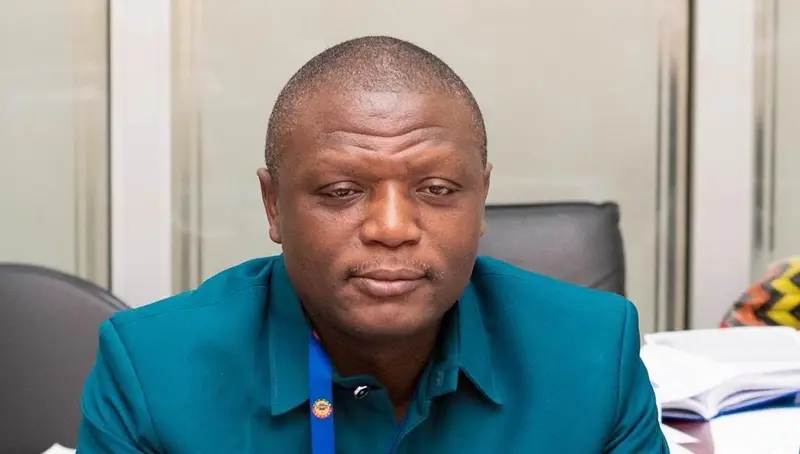
'No flying in just for matches' - Kofi Adams sets conditions for next Black Stars coach
What must the next Black Stars coach do to get the job? Kofi Adams has a clear demand.
1d ago•


![Ablakwa details GH¢49.7m SA evacuation spending, rejects Minority's claims of unaccounted funds [Video]](https://ghanafront.com/storage/images/2026/10/ablakwa-details-ghc497m-sa-evacuation-spending-rejects-minoritys-claims-of-unaccounted-funds-video-91662b9c-card.webp)