Ghana's growth rate to exceed 6.5% in 2026 - Databank Research
Databank Research has placed itself at the centre of Ghana’s economic forecasting conversation with its latest 2026 Second Half-Year Report, a document that is already generating significant buzz in Accra’s financial circles. The firm, known for its granular analysis of macroeconomic indicators, has trained its lens on the country’s post-bailout recovery trajectory, offering a forward-looking assessment that challenges the more conservative projections coming out of the Ministry of Finance. With the Bank of Ghana simultaneously signalling a shift toward monetary easing, the timing of this report could not be more critical for investors, policymakers, and businesses trying to gauge the sustainability of the current upswing.
The significance of this story extends beyond a single forecast. Ghana is emerging from a period of severe fiscal strain, having navigated a domestic debt exchange and an IMF programme that demanded painful structural adjustments. The narrative of recovery has been fragile, with the government’s own target of 4.8% growth seen by many analysts as a cautious floor rather than an ambitious ceiling. What makes this report particularly noteworthy is its suggestion that the economy is not merely stabilising but is poised to accelerate, driven by a confluence of factors including a rebound in hydrocarbons, a surge in gold output, and a surprisingly resilient services sector. This is a direct challenge to the prevailing narrative of a slow, grinding recovery.
At stake is more than just a statistical figure. For the Ghana Statistical Service, which has reported a 6.0% expansion in the second quarter, and for the government, which must balance optimism with fiscal prudence, the gap between official targets and independent forecasts represents a credibility tightrope. The key players here are the Bank of Ghana, whose monetary policy decisions will either fuel or dampen this projected credit growth, and the energy sector, where the performance of the Jubilee and TEN fields will be decisive. The underlying tension is whether this momentum is structural or merely a cyclical rebound driven by commodity prices and base effects from a weak 2025.
This story fits into a broader regional pattern of African economies attempting to leverage natural resource booms into diversified growth. Ghana’s experience mirrors that of Nigeria and Kenya, where the challenge lies in translating headline GDP figures into tangible improvements in employment and living standards. The emphasis on ICT and asset-light services as growth drivers suggests a potential shift away from the traditional reliance on gold and cocoa, but the question remains whether this can be sustained without deeper structural reforms in the energy sector and fiscal governance.
When reading the full article, pay close attention to the assumptions underpinning the forecast for real credit growth and the specific policy interventions cited for the agricultural sector. The report’s confidence in the services sector, particularly ICT, warrants scrutiny given the historical volatility of that segment. The critical question is not whether Ghana will hit 6.5%, but whether this pace can be maintained into 2027 without reigniting inflationary pressures that could force the central bank to reverse its easing stance.
Quick Summary
Databank Research has released its 2026 Second Half-Year Report, forecasting significant economic growth for Ghana. This projection suggests a
Summary - read the full story for complete context.

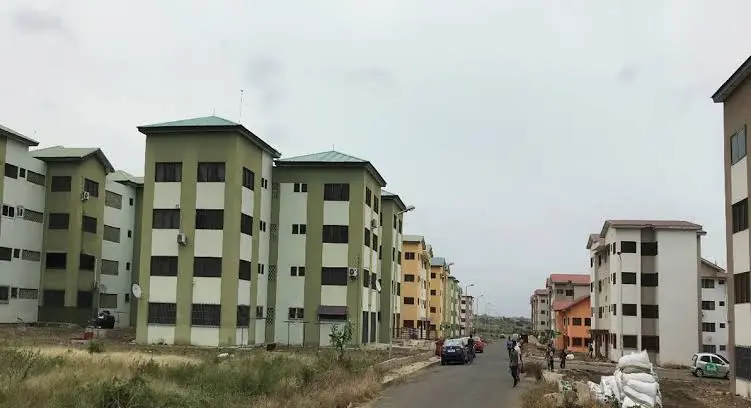
Image: MyJoyOnline
GhanaFront aggregates news from trusted sources. Click to read the original article.
Keywords
Explore related tagsMore from MyJoyOnline
Related Stories
More from Business & Economy

DTI calls for stronger investment in human capital to accelerate Ghana's industrialisation
Ghana's human capital score lags far behind developed nations - what will it take to catch up?
4d ago•