Nii Moi Thompson says government must put SMEs at heart of 24-Hour Economy
When Dr. Nii Moi Thompson speaks about economic policy in Ghana, the conversation carries weight. As the Chairman of the National Development Planning Committee, he is a central figure in shaping the long-term strategic vision for the country, making his recent commentary on the government's flagship 24-Hour Economy policy a significant talking point for investors, policymakers, and business owners alike. The policy, designed to maximize productivity by extending business operations around the clock, has been a cornerstone of the administration's job creation strategy, but the path to its full implementation is now under the microscope.
The 24-Hour Economy is not a new concept in Ghana's development discourse; it is a direct offshoot of the broader 48 Development Plan, a comprehensive blueprint that was never fully legislated. While the plan has yielded some institutional fruits, such as the creation of the Ministry of Sports and Recreation, its most ambitious economic component remains a work in progress. The government has made substantial noise about attracting large-scale foreign and local investments to anchor this initiative, but the reality on the ground is that the vast majority of Ghanaian workers are employed within the informal sector and by Small and Medium-sized Enterprises (SMEs) - the very businesses that often struggle with access to capital and infrastructure.
The tension here lies in the balance of focus. On one side, there is the allure of mega-deals and industrial parks that promise massive job numbers on paper. On the other, there is the gritty, unglamorous work of strengthening the existing business ecosystem that already employs the bulk of Ghanaians. The stakes are high: if the policy leans too heavily on large corporations that take years to break ground, the immediate impact on unemployment could be minimal. Conversely, neglecting the operational challenges of SMEs - such as high utility costs and logistics - risks leaving the policy as a theoretical document rather than a lived reality for the average trader or manufacturer.
Beyond the sheer number of jobs, the conversation is shifting toward the quality of work. Ghana's employment statistics are notoriously complex, with the distinction between unemployment, underemployment, and vulnerable employment often blurring. A person working 12 hours a day in the new economy is not necessarily better off if the work is precarious or low-paying. This is the deeper challenge facing the National Development Planning Committee: ensuring that the 24-hour economy does not just extend working hours, but also elevates the standard of living for those who participate in it.
As the government moves into its next phase of implementation, the question is whether the machinery of state will pivot to support the "small fish" without abandoning the "big fish" already in the pipeline. When you read the full report, pay close attention to the specific timeline and expectations Dr. Thompson outlines for this shift in focus. The critical detail is not just *whether* SMEs will be prioritized, but *how* the government plans to measure the net effect of job creation against job losses in this transition. The answers will determine whether this policy becomes a genuine engine for inclusive growth or just another headline.
Quick Summary
Dr. Nii Moi Thompson, Chairman of the National Development Planning Committee, has urged the government to prioritize SMEs within the 24-hour
Summary - read the full story for complete context.
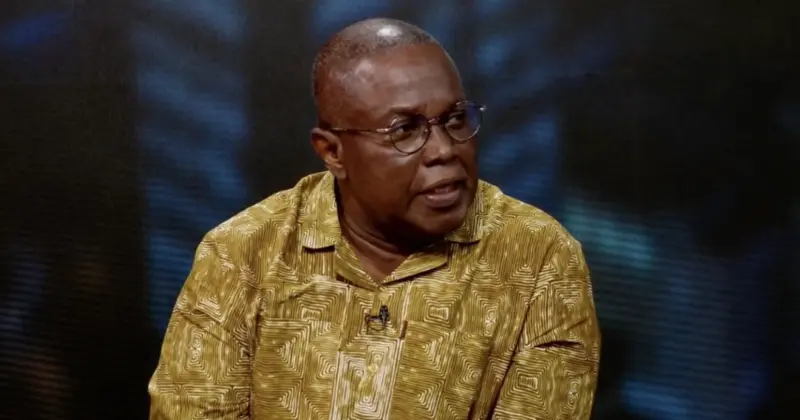
Image: MyJoyOnline
GhanaFront aggregates news from trusted sources. Click to read the original article.
Keywords
Explore related tagsMore from MyJoyOnline
Related Stories
More from Business & Economy

Investment, regional cooperation key to African mineral value addition - MIIF CEO
Why one CEO says Africa's mineral wealth depends on working together - and what it could mean for the continent.
2d ago•