Ghanaian farmers still struggling to sell surplus grains - AGRA Food Security Monitor Report
Ghana's agricultural sector, particularly grain production, has been a subject of intense focus in recent years. Several key figures and organizations are deeply involved, each with their own perspectives and priorities. The Minister for Finance, for instance, plays a crucial role in allocating resources to support the sector. The National Food Buffer Stock Company (NAFCO) is another significant player, tasked with managing food reserves and ensuring price stability. Farmers themselves, represented by associations like the Rice Producers Association and the Apex Farmers Association, are at the heart of the matter, striving to make a living while contributing to national food security. International bodies such as the World Food Programme (WFP) also have a stake, as they assess market conditions and make procurement decisions.
Agriculture is a cornerstone of the Ghanaian economy, employing a significant portion of the population and contributing substantially to the nation's GDP. Over the past decade, there's been a concerted effort to boost domestic food production, aiming to reduce reliance on imports and enhance food security. Government initiatives, such as the "Planting for Food and Jobs" program, have sought to provide farmers with subsidized inputs and technical assistance. However, challenges persist, including issues related to storage infrastructure, market access, and financing. The interplay between domestic production, government policies, and international market dynamics is crucial in shaping the landscape of Ghana's agricultural sector. The sector's performance has a direct impact on livelihoods, food prices, and overall economic stability.
The situation is further complicated by various factors. The government's stance on grain exports, influenced by concerns about inflation, has created tension between the need to support farmers and the desire to control prices. NAFCO's capacity to effectively purchase and store surplus grains is also a point of contention, with questions raised about funding and logistical constraints. The involvement of private financing companies adds another layer of complexity, as interest costs and storage fees can erode the value of procured grains. The differing priorities of various stakeholders - from farmers seeking fair prices to the government aiming to manage inflation and international organizations seeking cost-effective procurement - create a delicate balancing act.
Several crucial questions remain unanswered. Will the government release the allocated funds to NAFCO in a timely manner? Will the grain export ban be lifted, and if so, under what conditions? Can NAFCO's storage capacity be expanded to accommodate surplus grains? How will the quality of stored grains be maintained to prevent losses? The answers to these questions will significantly impact the future of Ghana's grain production and the livelihoods of countless farmers. The ability of the various stakeholders to navigate these challenges and find common ground will be critical in ensuring food security and sustainable agricultural development in Ghana.
Quick Summary
Ghanaian farmers are facing difficulties selling surplus grains, despite government assurances of financial support. A recent AGRA report suggests potential consequences for the upcoming season - but what are they?
Summary - read the full story for complete context.
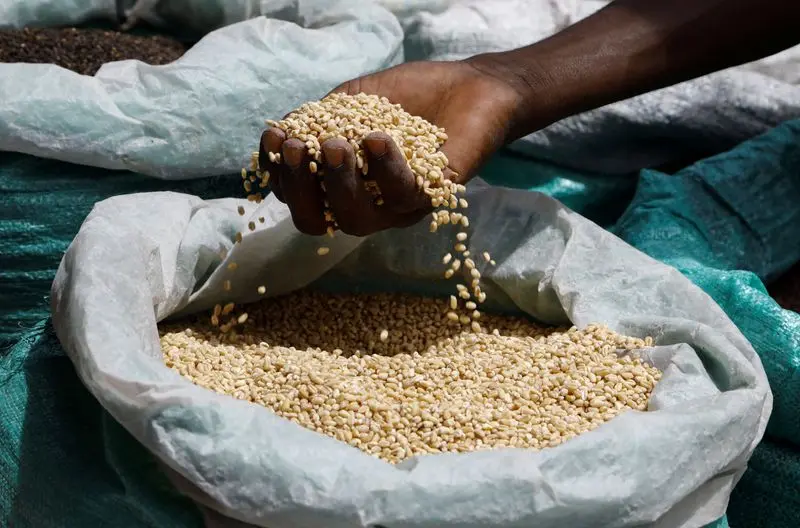
Image: Joy Business
GhanaFront aggregates news from trusted sources. Click to read the original article.
Keywords
Explore related tagsMore from Joy Business
Related Stories
More from Business & Economy

GOIL could hold fuel prices despite $100 crude oil shock - Edward Bawa
Will Ghanaian fuel prices stay stable despite the global crude oil surge? GOIL's next move may surprise you.
1d ago•4 min read