Ghana to acquire dedicated presidential aircraft by November - Presidency confirms
The Office of the President finds itself navigating a familiar, yet ever-evolving, landscape of public scrutiny. At the heart of the matter is the complex interplay between presidential mobility, national resources, and the ever-watchful eye of the Ghanaian citizenry. This situation involves key figures within the government and touches upon sensitive areas of national security and economic prudence. The discussions surrounding this topic highlight the delicate balance between the practical needs of leadership and the public's expectations of transparency and accountability.
Ghana's history is interwoven with debates about resource allocation and the perceived extravagance of public officials. The nation's journey since independence has been marked by periods of economic hardship and austerity measures, fostering a deep-seated sensitivity to how public funds are utilized, especially when it comes to the comfort and convenience of those in power. The acquisition and maintenance of a presidential aircraft have, in the past, been contentious issues, often sparking heated debates about value for money and the prioritization of national needs. Furthermore, the topic intersects with ongoing efforts to strengthen national security and project an image of stability and competence on the international stage. The ability of the President to travel efficiently and securely is seen as vital for diplomatic engagements, attracting foreign investment, and representing Ghana's interests on the global stage.
The key players involved in this unfolding narrative include prominent figures within the Presidency, particularly those responsible for managing state resources and ensuring the smooth functioning of government operations. The Ghana Armed Forces, with their role in state aviation, also have a significant stake in the matter. The tensions arise from the inherent conflict between the need for efficient governance and the public's demand for fiscal responsibility and transparency. What is at stake is the public's trust in the government's ability to manage resources effectively and to act in the best interests of the nation. Any perceived mismanagement or lack of transparency could erode public confidence and fuel political opposition.
Several open questions remain that will undoubtedly shape the trajectory of this situation. How will the government balance the need for a dedicated presidential aircraft with the prevailing economic realities? What specific measures will be put in place to ensure transparency and accountability in the acquisition and operation of the aircraft? And perhaps most importantly, how will the government address the underlying concerns about potential conflicts of interest and the perception of extravagance in the use of public resources? These questions, and the answers that emerge, will be crucial in determining the long-term impact of this situation on the relationship between the government and the Ghanaian people.
Quick Summary
Ghana's presidency confirmed plans to acquire a dedicated presidential aircraft by November. This development follows public debate - but what could this mean for the country's leadership?
Summary - read the full story for complete context.
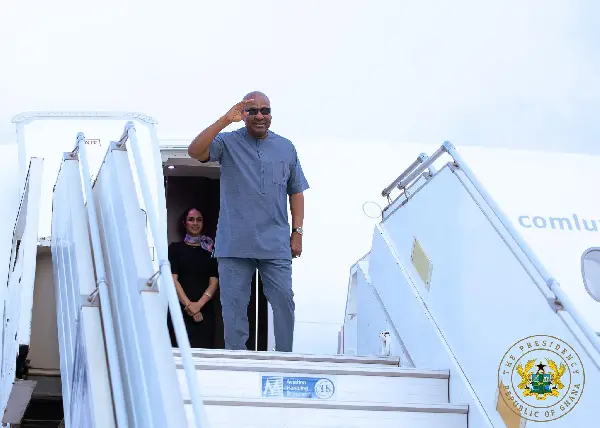
Image: GhanaWeb
GhanaFront aggregates news from trusted sources. Click to read the original article.
Keywords
Explore related tagsMore from GhanaWeb
Related Stories
More from Politics
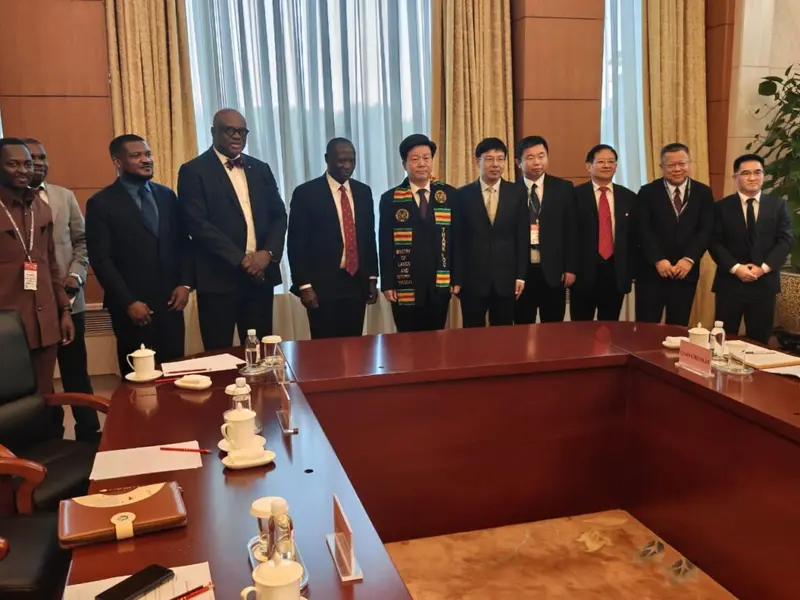
Ghana, China deepen cooperation to tackle illegal mining
A high-level meeting in Tianjin may change how Chinese mining firms operate in Ghana - but what was agreed?
1d ago•4 min read