Ghana Considers New Anti-Witchcraft Bill to Criminalize False Accusations and Protect Victims
Image: GhanaFront Editorial
The Government of Ghana is taking decisive steps toward eradicating the deeply entrenched issue of witchcraft accusations by considering a robust anti-witchcraft bill. This legislative move is designed to permanently end a harmful practice that has long plagued various communities across the nation. Ahmed Ibrahim, the Minister of Local Government, Chieftaincy, and Religious Affairs, officially briefed Parliament on the ongoing efforts to transform this legal proposition into binding law, signaling a significant shift in national policy toward human rights protection.
During his comprehensive address to the legislature, the Minister highlighted that the proposed legislation originated as a Private Member’s Bill introduced by Francis-Xavier Sosu, the Member of Parliament for Madina. The core objective of this critical bill is straightforward yet profound: to explicitly criminalize all forms of witchcraft accusations, ensure the strict punishment of perpetrators, and establish a comprehensive safety net for the victims whose lives have been devastated by these baseless claims.
While the bill has been formally tabled before the House, it is currently undergoing the rigorous parliamentary processes required before it can be passed and enacted into law. The urgency of this legislation cannot be overstated. Across the country, vulnerable populations continue to face severe social stigma, brutal physical violence, and complete social exclusion based purely on superstitious allegations.
Protecting the Vulnerable Through Law and Inter-Agency Collaboration
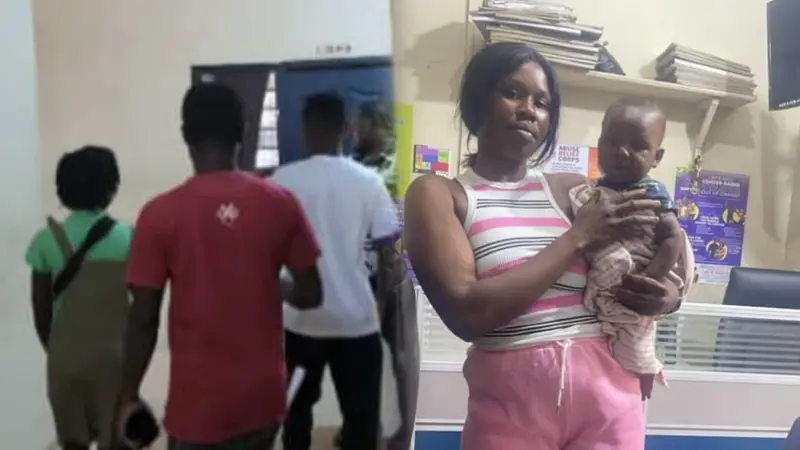
Witchcraft accusations in Ghana have historically targeted the most defenseless segments of society. The victims are overwhelmingly elderly women, young children, and individuals suffering from undiagnosed mental health conditions. The consequences of such allegations are often tragic and irreversible, resulting in victims being violently banished to isolated "witch camps," subjected to immediate mob justice, or forced to endure lifelong ostracization from their own families.
Addressing the pressing need for holistic victim support, Minister Ibrahim emphasized that the passage of legislation alone is insufficient without strong institutional partnerships and logistical support. He pointed to ongoing high-level discussions regarding victim welfare, rehabilitation, and long-term care.
“Collaboration with the Ministry of Gender, Children, and Social Protection remains essential to safeguard vulnerable populations and ensure comprehensive protection mechanisms, including shelters for victims of witchcraft accusations, domestic violence, child trafficking, and child marriage,” the Minister stated on the floor of Parliament.
This collaborative inter-agency framework is intended to go far beyond mere legal punitive measures for offenders. It explicitly aims to provide critical psychosocial support, safe transitional housing, and comprehensive reintegration programs for those who have been displaced from their homes due to these dangerous accusations. The goal is to eventually shut down the existing witch camps and safely reintegrate the inhabitants into mainstream society.
The absence of a specific, targeted national law criminalizing witchcraft accusations has left a significant void in Ghana's legal system for decades. Currently, victims in rural communities remain disproportionately vulnerable, as local customs and deeply held traditional beliefs often supersede the protection of fundamental constitutional human rights. The proposed bill seeks to definitively close this legislative loophole, ensuring that the formal law serves as a reliable, impenetrable shield for every Ghanaian citizen, regardless of their geographical location, age, or social standing.
The Crucial Role of Traditional and Religious Leaders
The success of any legislation attempting to tackle deeply ingrained cultural practices heavily depends on the willing cooperation of community gatekeepers. The Minister's extensive remarks to Parliament were partly delivered in response to an inquiry by Ernest Yaw Anim, the Member of Parliament for Kumawu, who directly questioned the specific, actionable measures being implemented to secure the necessary support of traditional authorities and local stakeholders.
Minister Ibrahim openly acknowledged that chiefs, queen mothers, and faith-based leaders hold the keys to cultural legitimacy in Ghana. Because these leaders are the widely recognized custodians of local authority and cultural heritage, their active, visible participation is mandatory for successfully reshaping community attitudes and systematically dismantling the belief systems that fuel witchcraft accusations.
To achieve this, the Ministry has outlined several strategic expectations from community leaders:
- Public Denunciation: Traditional councils and religious organizations are strongly expected to publicly and consistently condemn the practice of labeling individuals as witches from their palaces and pulpits.
- Community Education: Local stakeholders will engage in continuous grassroots dialogue to highlight the profound physical dangers, psychological trauma, and human cost of these accusations.
- Proactive Conflict Resolution: Leaders are encouraged to use indigenous dispute resolution mechanisms to defuse tensions and prevent violence before it erupts against the accused.
By purposefully integrating the perspectives of traditional authorities into the legislative framework, the Ministry hopes to ensure that the new law is not viewed by rural populations as a foreign or purely political imposition. Instead, it must be embraced as a necessary evolution of Ghanaian societal norms that prioritizes human life above superstition.
“By rallying their voices, legislative reforms will be grounded in cultural legitimacy and community acceptance, while protecting the dignity and rights of all citizens,” Minister Ibrahim explained to the House, stressing the importance of grassroots buy-in.
Aligning with International Human Rights Standards
The aggressive push for the anti-witchcraft bill is also heavily supported by various civil society organizations and independent state agencies. The Commission on Human Rights and Administrative Justice (CHRAJ), alongside numerous prominent human rights advocacy groups, has persistently urged Parliament to expedite the passage of the bill. These organizations have continually cited a troubling rise in the number of documented violent cases directly linked to witchcraft allegations across different regions of the country.
Historically, the Human Rights Committee of Parliament made firm assurances in September 2025 that the bill would be reintroduced for final passage and subsequent presidential assent. The current momentum in the House indicates a renewed, unified political will to finally fulfill that vital promise to the nation's most vulnerable citizens.
Furthermore, the Ministry of Local Government is not operating in isolation regarding the drafting of these legal frameworks. Minister Ibrahim revealed that his outfit has set a clear, time-bound target to thoroughly review two existing witchcraft-related laws previously enacted within the wider West African sub-region. This careful comparative analysis is specifically intended to ensure that Ghana’s updated legal framework is robust, highly effective, avoids the pitfalls experienced by neighboring countries, and fully aligns with international human rights conventions to which Ghana is a signatory.
The ultimate vision of the Ministry, and indeed the broader government apparatus, is to foster a modern society where superstition does not override the rule of law. The devastating impact of witchcraft accusations fundamentally threatens the peace, security, and cohesion of local communities. Consequently, the government is treating this legislative reform not just as a matter of legal housekeeping, but as an urgent issue of national security and fundamental social justice.
As the parliamentary debate continues and the bill inches closer to becoming an actionable law, the overarching message from the government is one of absolute unity and moral responsibility. The Minister delivered a powerful, memorable call to action, urging all sectors of Ghanaian society to play their active part in eradicating this social menace once and for all.
“Mr Speaker, let us rise together as Parliament, chiefs, faith-based leaders, and civil society to end the scourge of witchcraft accusations. Let Ghana be known not for exclusion and fear but for dignity, compassion, and justice for all,” he passionately concluded.
The coming months will be highly critical as the Ministry actively scales up its engagement with traditional and religious stakeholders. If these efforts are successful, Ghana will soon possess a comprehensive legal and social blueprint that not only strictly punishes those who levy false witchcraft accusations, but also systematically heals the deep psychological and physical wounds of the victims who have suffered in silence for far too long.
More from GhanaFront Editorial
Related Stories
More from Politics
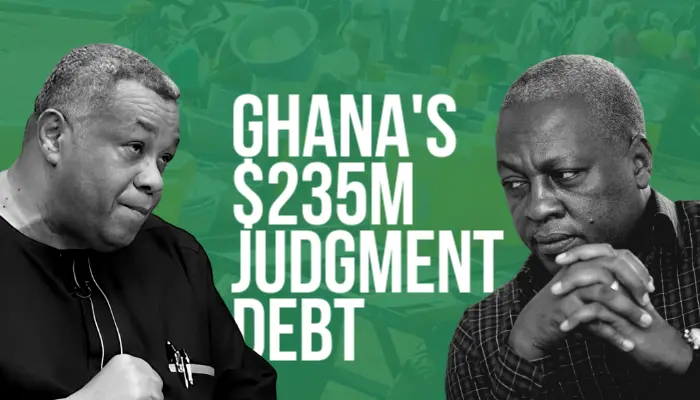
Goosie Tanoh-linked water deal under Mahama costs Ghana $235m in Judgement Debt
A desalination project tied to a prominent politician now threatens Ghana's finances - what went wrong?
1d ago•