Four million Ghanaians living with silent kidney disease - Experts say
A prominent physician specializing in kidney health recently engaged with the Ghana News Agency to address a growing health concern within the nation. The discussion centered on the prevalence of a particular disease, its often-undetected nature, and the challenges faced in managing it effectively within the Ghanaian healthcare system. The expert highlighted the difficulties in achieving early diagnosis, the limited accessibility of advanced treatment options, and the disproportionate impact on a specific demographic group within the country. The conversation also touched upon the potential for preventative measures and the importance of regular health screenings.
Chronic Kidney Disease (CKD) has quietly emerged as a significant public health challenge in Ghana, mirroring a global trend of increasing non-communicable diseases. Several factors contribute to this rise, including changing lifestyles, dietary habits, and the increasing prevalence of conditions like hypertension and diabetes - both major risk factors for CKD. Ghana's healthcare infrastructure, while improving, still faces challenges in providing widespread access to specialized diagnostic and treatment services, particularly in rural areas. Furthermore, awareness about kidney health and preventative measures remains relatively low among the general population. This is compounded by the cultural reliance on traditional medicine, some of which may inadvertently contribute to kidney damage. The economic burden of CKD is also substantial, placing a strain on both individual households and the national healthcare budget, especially given the high cost of dialysis and kidney transplantation.
The key players in addressing this health crisis include healthcare professionals like nephrologists, general practitioners, and nurses, who are at the forefront of diagnosis and treatment. The Ministry of Health plays a crucial role in developing and implementing national health policies, allocating resources, and raising public awareness. Pharmaceutical companies and medical device suppliers are also stakeholders, providing essential medications and equipment for dialysis and other treatments. Patient advocacy groups and non-governmental organizations are increasingly involved in raising awareness, providing support to patients and their families, and advocating for improved access to care. Tensions can arise from limited resources, competing healthcare priorities, and the need to balance curative and preventative approaches. At stake is the health and well-being of millions of Ghanaians, the productivity of the workforce, and the sustainability of the healthcare system.
Several open questions remain regarding the management of CKD in Ghana. How can early detection rates be improved, particularly in rural communities? What strategies can be implemented to promote healthier lifestyles and reduce the incidence of risk factors like hypertension and diabetes? How can access to affordable and effective treatment options, such as dialysis and kidney transplantation, be expanded? What role can traditional medicine play in either contributing to or preventing kidney disease, and how can its use be regulated to ensure patient safety? And finally, how can the government, healthcare providers, and the public work together to address this growing health challenge and improve the lives of those affected by CKD?
Quick Summary
Health experts in Ghana are concerned about the increasing number of chronic kidney disease (CKD) cases. About four million adults are living with this silent disease- early detection could be key.
Summary - read the full story for complete context.
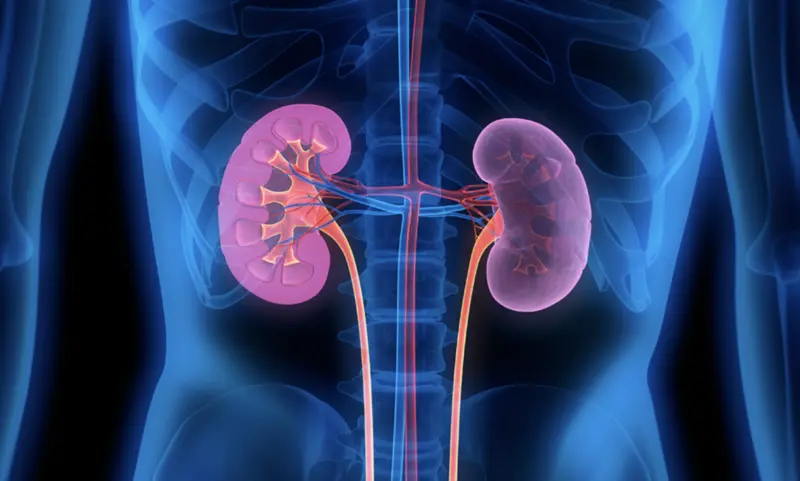
Image: MyJoyOnline
GhanaFront aggregates news from trusted sources. Click to read the original article.
Keywords
Explore related tagsMore from MyJoyOnline
Related Stories
More from Health

Urologist debunks claim that regular ejaculation prevents prostate cancer
What if a popular prostate cancer prevention tip is not backed by science?
1d ago•2 min read