Former Deputy Minister defends use of executive plane for official trips [Listen]
The Setup: A former high-ranking official from the Ministry of Defence has entered the public discourse regarding the mode of transportation chosen for presidential travel. This intervention follows a period of heightened scrutiny regarding the current administration's preference for a particular aircraft, diverting attention from the state-owned presidential jet. The debate has ignited passionate exchanges across the political spectrum, drawing in voices from both the ruling party and the opposition, as well as prominent figures in the media and civil society. The core of the discussion revolves around issues of cost-effectiveness, national pride, and the appropriate use of public resources.
Context: The question of presidential air travel is far from new in Ghana. It's a topic that consistently resurfaces, often becoming a lightning rod for broader discussions about governance, transparency, and economic priorities. Historically, the acquisition and maintenance of presidential aircraft have been contentious issues, frequently debated in Parliament and dissected in the media. There's a deep-seated national pride associated with having a functioning presidential jet, seen as a symbol of sovereignty and independence. However, this pride is often tempered by concerns about the financial burden on the taxpayer, especially in a developing economy where resources are stretched thin across various sectors like healthcare, education, and infrastructure. The use of private jets, while sometimes perceived as more luxurious or convenient, also raises questions about accountability and potential conflicts of interest. The trend of scrutinizing presidential expenses is deeply ingrained in Ghanaian political culture, reflecting a growing demand for greater transparency and fiscal responsibility from public officials.
Stakes: At the heart of this debate are several key players. The President himself is, of course, central to the discussion, as the ultimate decision-maker regarding travel arrangements. The Minister for Government Communications plays a crucial role in shaping the narrative and defending the administration's choices. The opposition parties are keen to capitalize on any perceived missteps, using the issue to criticize the government's handling of public funds. The former Deputy Defence Minister's involvement adds another layer of complexity, as his perspective offers insights into past decisions and potential justifications for current practices. The tensions are palpable, fueled by partisan politics and genuine concerns about economic prudence. What's at stake is not just the reputation of the individuals involved, but also the public's trust in the government's ability to manage resources effectively and act in the best interests of the nation. The debate also touches upon the broader issue of whether Ghana should prioritize investing in its own infrastructure and capabilities, or rely on external resources, even when offered freely.
What to Watch: Several open questions remain that will likely drive further discussion and investigation. What specific factors influenced the decision to opt for the alternative aircraft in this instance? What are the long-term implications of this choice for the maintenance and utilization of the state-owned presidential jet? How does the cost of fueling the alternative aircraft compare to the operational expenses of the Falcon 900? What are the legal and ethical considerations surrounding the acceptance of services provided free of charge by private individuals or entities? And perhaps most importantly, how will this episode shape public perception of the government's commitment to transparency and accountability in the management of public resources? These are the questions that Ghanaians are asking, and the answers will undoubtedly influence the political landscape in the months to come.
Quick Summary
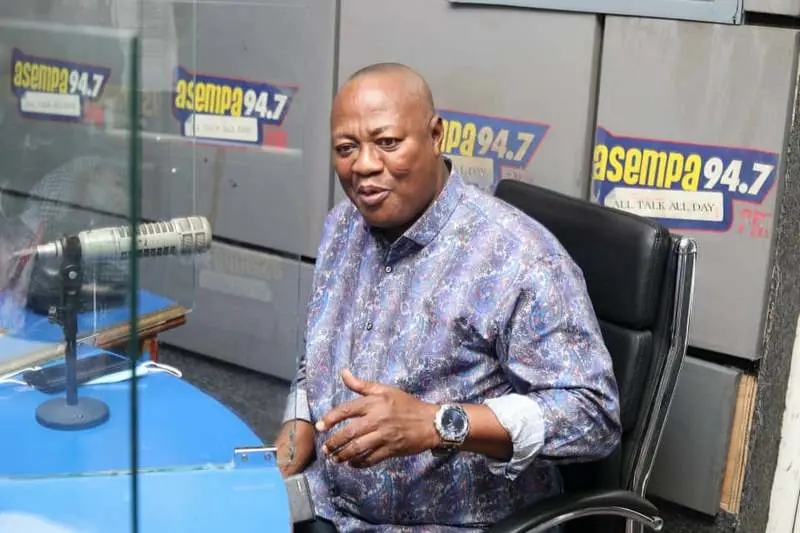
Former Deputy Defence Minister Kofi Amankwaa-Manu addressed the controversy surrounding President Mahama's use of a private jet. He claims the idea for an executive plane actually originated during the previous administration - raising questions about current practices.
Summary - read the full story for complete context.
![Former Deputy Minister defends use of executive plane for official trips [Listen]](https://ghanafront.com/storage/images/2026/03/former-deputy-minister-defends-use-of-executive-plane-for-official-trips-listen-22b2523c-card.webp)
Image: Adom Online
GhanaFront aggregates news from trusted sources. Click to read the original article.
Keywords
Explore related tagsMore from Adom Online
Related Stories
More from Politics
NDC Ahafo First Vice Chairman to pay filing fees for incumbent constituency executives
A party leader steps up for grassroots executives - but what is the real motive behind this offer?
1d ago•