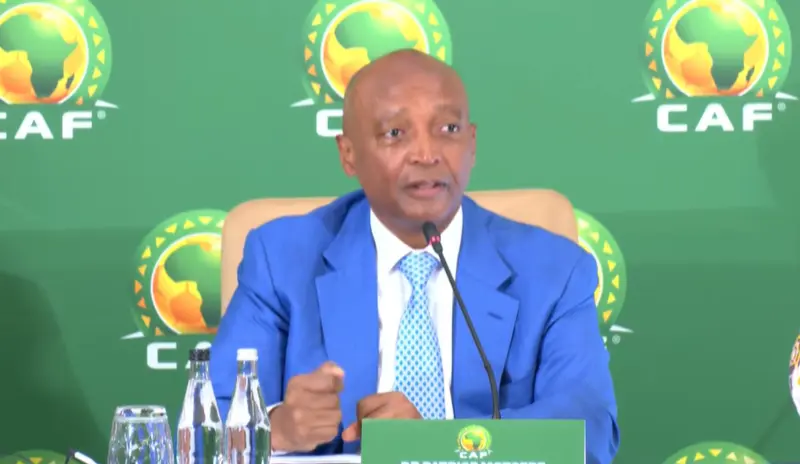
FIFA Names Seven African Referees for 2026 World Cup
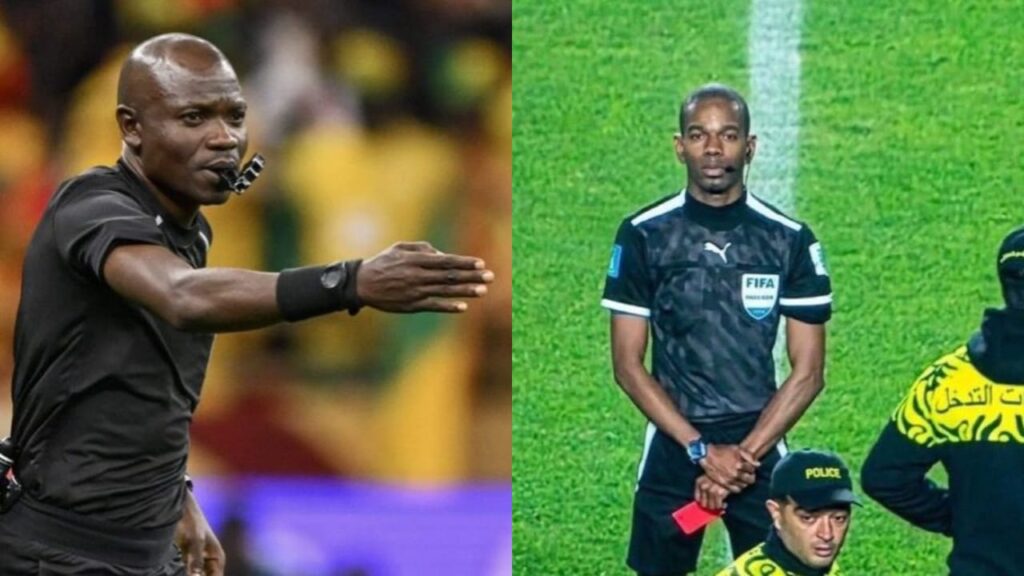
Image: GhanaFront Editorial
FIFA has confirmed the seven African referees selected for duty at the 2026 FIFA World Cup, a decision that has immediately sparked discussion across the continent after several high-profile names were left out of the final group.
The list includes Mustapha Ghorbal of Algeria, Amin Mohamed of Egypt, Pierre Atcho of Gabon, Jalal Jayed of Morocco, Dahane Beida of Mauritania, Tom Abongile of South Africa, and Omar Artan of Somalia. Together, they will carry Africa’s representation into one of the biggest assignments in world football.
For many observers, the announcement is as notable for who made the list as for who did not. Congolese referee Jean-Jacques Ndala, widely regarded as one of Africa’s standout officials in recent tournaments, was omitted. Senegal’s Issa Sy also missed out, while Ghanaian referee Daniel Laryea did not secure a place in the final selection.
Seven officials chosen to represent Africa
FIFA’s final cut leaves Africa with seven referees entrusted to officiate at the 2026 tournament. The selected group reflects a broad geographic spread across the continent, with North, West, Central, East and Southern Africa all represented.
Selected African referees for the 2026 FIFA World Cup: Mustapha Ghorbal (Algeria), Amin Mohamed (Egypt), Pierre Atcho (Gabon), Jalal Jayed (Morocco), Dahane Beida (Mauritania), Tom Abongile (South Africa), and Omar Artan (Somalia).
The composition of the list underlines the depth of officiating talent developing in African football. Appointment to a World Cup is not simply a mark of prestige. It is a verdict on consistency, fitness, technical accuracy, discipline and the ability to control high-pressure matches on the global stage.
Each of the seven referees now carries the burden of continental expectation. Their performances will not only shape matches at the tournament, but also influence how African officiating is viewed within the wider international game.
World Cup selection has always been fiercely competitive. For every official who makes the final list, others with strong records are forced to watch from the outside. That reality is part of what makes this latest announcement so closely scrutinised.
Big omissions fuel debate
The most striking absence is Jean-Jacques Ndala of the Democratic Republic of Congo. Ndala had built a strong case through his displays at the 2025 Africa Cup of Nations in Morocco, where he handled both the opening match and the final. Those appointments pointed to a referee trusted with major occasions and capable of managing elite-level pressure.
Because of that background, his exclusion is certain to generate debate among football followers across Africa. Referees who take charge of the first and last matches of a major continental tournament are usually seen as belonging to the highest tier. Missing out on a World Cup after that kind of showing will be viewed by many as one of the biggest surprises in the selection process.
Issa Sy’s omission has also attracted attention. The Senegalese referee was recently at the centre of controversy during a CAF Champions League fixture between Al Ahly and Espérance Sportive de Tunis. While controversy does not always decide selection outcomes on its own, timing matters in elite officiating, and scrutiny tends to intensify whenever major appointments are under review.
For Ghanaian football fans, Daniel Laryea’s failure to make the list adds another point of disappointment. Ghana has long wanted stronger representation at the highest levels of football administration and officiating, and World Cup appointments remain one of the clearest markers of that status.
Laryea missing out means Ghana will not have a centre referee on the final African list for the 2026 tournament. In a football nation that follows continental developments closely, that absence is unlikely to pass quietly.
What the final list says about African officiating
Beyond the individual names, FIFA’s announcement offers a snapshot of where African refereeing stands heading into the 2026 World Cup. The selected officials come from diverse football environments, showing that top-level refereeing quality is no longer concentrated in only a few traditional powerhouses.
Algeria, Egypt and Morocco’s presence on the list is unsurprising given their strong football structures and regular exposure to high-stakes matches. South Africa’s inclusion also reflects the country’s long-standing investment in officiating development. At the same time, the selection of referees from Mauritania and Somalia stands out as a sign that African officiating pathways are widening.
That broader spread matters. It suggests FIFA and African football authorities are recognising quality across a wider field, rather than relying only on familiar names from established systems. For smaller or less celebrated football nations, this can serve as proof that the pathway to elite officiating remains open.
- Seven African referees were selected by FIFA for the 2026 World Cup.
- The list spans Algeria, Egypt, Gabon, Morocco, Mauritania, South Africa and Somalia.
- Jean-Jacques Ndala, Issa Sy and Daniel Laryea were among notable absentees.
- Ndala had officiated both the opening game and final at the 2025 AFCON in Morocco.
The omissions also underline how fine the margins are at this level. Reputation helps, but it does not guarantee selection. Recent form, tournament assessments, overall confidence from football authorities and disciplinary context can all influence the final outcome.
For African referees, the World Cup remains the ultimate test of authority and composure. Every whistle, every card, every major call is reviewed at microscopic level. Officials selected for the tournament must combine technical sharpness with emotional control and physical endurance.
That is why these appointments matter beyond symbolism. They shape careers, strengthen national officiating reputations and provide examples for younger referees working through the system at domestic and continental levels.
Ghana’s perspective and the road ahead
From a Ghanaian standpoint, Daniel Laryea’s exclusion will likely renew questions about how the country can produce more officials who consistently break into football’s top global assignments. Ghana has the football culture, visibility and competitive environment to contribute more strongly in this area, but the latest list shows there is still ground to cover.
The challenge is not only about talent. It is also about sustained development, assessment standards, international exposure and the ability to remain in strong contention over time. World Cup selection is rarely decided by a single performance. It is usually the product of years of evaluation.
For the seven referees who did make the final cut, the focus now shifts from selection to execution. The tournament will offer them the biggest platform of their careers and a chance to prove that Africa’s best officials can manage the game at its most demanding level.
For those left out, including Ndala, Issa Sy and Laryea, the disappointment will be sharp. Yet omissions of this kind also become part of the wider story of African officiating, where competition is growing and places at the top are increasingly difficult to secure.
What is clear is that FIFA’s decision has produced both recognition and controversy in equal measure. The seven selected referees will now step onto the global stage carrying not just their own ambitions, but the expectations of an entire continent determined to be represented with authority and excellence.
More from GhanaFront Editorial
Related Stories
More from Technology
GAEC must retain nuclear scientists for Ghana's nuclear ambitions - Minister
Why is Ghana struggling to keep its nuclear scientists, and what could it mean for the country's atomic ambitions?
4h ago•3 min read

19-year-old mason jailed 15 years for defiling seven-year-old pupil
What happened when a family member was left alone with a young child in Awodua?
4h ago•2 min read
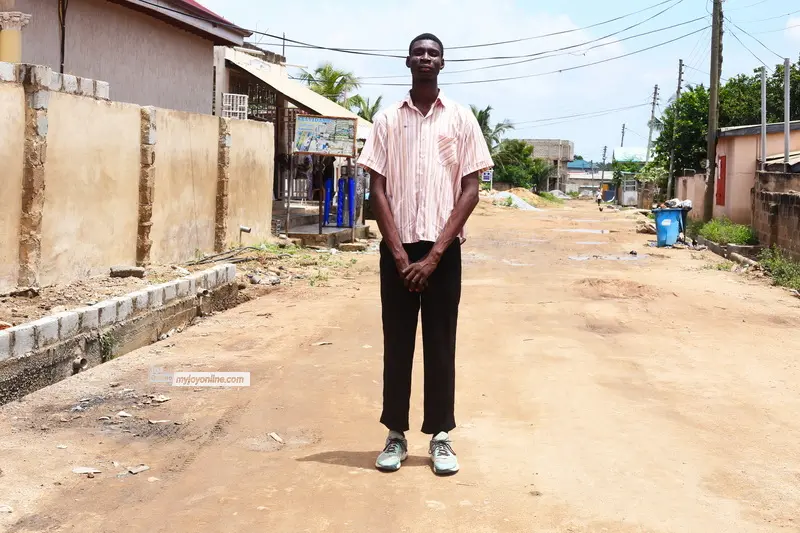
The 7-foot giant of Ngleshie Amanfro: Seven-foot Ghanaian Ephraim Saawa dreams of joining the national basketball team
Meet the 7-foot Ghanaian whose height turns heads - and whose hoops dream could change his future.
11h ago•5 min read
World Cup visa scandal: People have leveraged public office to facilitate fraud - Senyo Hosi
Who exploited public office in the World Cup visa scandal, and why is the focus shifting from the Sports Minister?
22h ago•3 min read