Feature: Good Food: Who Can Find It?
The bustling marketplaces of Accra, Kumasi, and beyond are vibrant hubs of commerce and culture, where the aroma of spices mingles with the chatter of vendors and the rhythmic pulse of daily life. For generations, these markets have been the lifeblood of Ghanaian communities, providing access to essential goods, fostering social connections, and preserving culinary traditions. However, beneath the surface of this seemingly idyllic scene, a growing unease simmers, a concern that touches upon the very foundation of Ghanaian society: the safety and quality of the food we consume. The simple act of buying and preparing a meal, once a source of comfort and sustenance, is now increasingly fraught with anxiety.
Food safety in Ghana is a complex issue, intertwined with economic realities, cultural practices, and the evolving landscape of food production and distribution. Historically, traditional farming methods and local markets ensured a relatively direct link between producers and consumers, fostering a sense of trust and accountability. However, as Ghana's population has grown and urbanization has accelerated, the food supply chain has become more intricate, involving numerous intermediaries and often lacking robust oversight. This has created opportunities for unscrupulous practices, ranging from the use of unauthorized additives to unsanitary handling procedures. Furthermore, the increasing reliance on imported foods, while expanding consumer choice, also introduces new challenges related to quality control and traceability. The concept of "good food" itself is evolving, shaped by changing lifestyles, dietary preferences, and a growing awareness of health and nutrition.
At the heart of this issue are several key players, each with their own interests and responsibilities. Food vendors, often operating on tight margins, face pressure to keep prices low and maximize profits, sometimes at the expense of safety standards. Regulatory agencies, tasked with enforcing food safety regulations, struggle with limited resources and capacity, making it difficult to effectively monitor the vast and diverse food sector. Consumers, caught between the desire for affordable and convenient food options and the need to protect their health, are increasingly demanding greater transparency and accountability. Tensions arise from the clash between traditional practices and modern food safety standards, between economic pressures and public health concerns, and between the desire for individual freedom and the need for collective responsibility. The stakes are high, as foodborne illnesses can have devastating consequences, particularly for vulnerable populations such as children and the elderly.
As concerns about food safety continue to mount, several critical questions remain unanswered. How can Ghana strengthen its food safety regulations and improve enforcement mechanisms? What role can technology play in enhancing traceability and transparency in the food supply chain? How can consumers be empowered to make informed choices and demand higher standards from food vendors? What innovative solutions can be developed to address the economic challenges faced by food vendors while ensuring food safety? The answers to these questions will determine whether Ghana can safeguard the health of its citizens and preserve the integrity of its food culture.
Quick Summary
A radio commentator laments the decline of food safety in Ghana, where contaminated food is becoming a public health concern - from waakye beans cooked with paracetamol to plantain fried with plastic. What does this mean for public health?
Summary - read the full story for complete context.
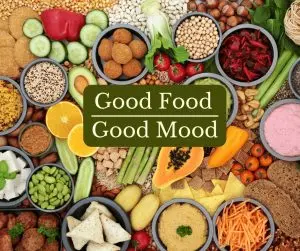
Image: The Chronicle
GhanaFront aggregates news from trusted sources. Click to read the original article.
Keywords
Explore related tagsMore from The Chronicle
Related Stories
More from Health
Surviving the "I'm fine": Facing the reality of suicide behind closed doors
They smile, they work, they laugh - but what if they're silently struggling?
6h ago•5 min read