Ethnic, political exclusion, not theology alone drives Muslim sectarian violence in Ghana, KNUST study finds
Prof. Yunus Dumbe's study, published in Islamic Africa, finds that intra-Muslim conflicts in Ghana are driven less by purely religious differences and more by ethnic, political and generational exclusion. The study also finds that government bias and local power struggles play a decisive role in escalating violence. Tensions between Salafi and Tijaniyya groups, particularly in the 1990s, were often rooted in competition over leadership, identity and access to resources within Zongo communities, rather than doctrinal disagreements alone.
The study uses case studies from Wenchi, Techiman, Kumasi and other towns. Religious divisions became intertwined with ethnic rivalries, especially between Hausa migrants and indigenous groups such as Banda and Dyula and were further inflamed by political interests and perceived state favoritism. In Wenchi, rising Salafi influence among young Hausa Muslims was interpreted by established Tijaniyya leaders as an attempt to undermine existing authority structures, triggering a cycle of hostility that escalated into violence, including attacks on homes, mosques and individuals. The study highlights that while Salafi groups were often portrayed as the primary instigators, both factions were deeply implicated in the violence. In many instances, Tijaniyya leaders, emboldened by perceived government support, resorted to physical attacks and mobilised youth against Salafi communities. Authorities were seen to favour Tijaniyya leadership structures, a move that intensified Salafi grievances and contributed to further polarisation.
Prof. Dumbe argues that "Learning to be Muslim is a process shaped by a multiplicity of social and political processes," where debates over religious practice are deeply linked to struggles over power, identity and belonging. He also pointed out that "Instead of looking at the surface and claiming that its religious, there might be political undertones, ethnic exclusion, generational dynamics and even economics."
Quick Summary
A KNUST study finds intra-Muslim conflicts in Ghana involve more than religious differences. The research suggests ethnic and political exclusion play a role - but how deep does it go?
Summary - read the full story for complete context.
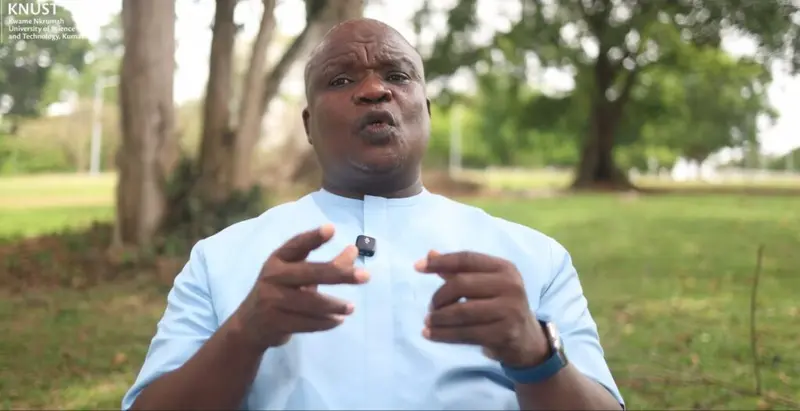
Image: Joy Business
GhanaFront aggregates news from trusted sources. Click to read the original article.
Keywords
Explore related tagsMore from Joy Business
Related Stories
More from Politics

Nana B using drug-trafficking controversy to boost his political ambition - Yendi MP
A political firestorm erupts as an MP claims drug allegations are a campaign stunt - but what does Nana B know?
1d ago•