Employees compensation the largest share of gov't expenditure - Finance Minister
Ghana's economic landscape is currently witnessing a complex interplay between the government, its workforce, and the pressing need for fiscal responsibility. A recent dialogue brought together key figures from organised labour and government, focusing on the allocation of state resources. The discussions centered around the distribution of funds across various sectors, highlighting the challenges inherent in balancing the needs of public sector employees with the broader economic demands of the nation. This situation underscores the delicate balancing act required to ensure both fair compensation and sustainable economic growth.
For decades, Ghana has grappled with the challenge of managing its public sector wage bill. Historically, the size and structure of the government workforce have been subjects of intense debate, often intertwined with political considerations and social pressures. The issue is particularly sensitive in Ghana, where public sector jobs are often seen as a source of stability and upward mobility for many families. Furthermore, the strength and influence of organised labour in Ghana's political landscape cannot be overstated. Unions have historically played a crucial role in advocating for workers' rights and influencing government policy. Any attempts to reform or restructure the public sector wage system are therefore likely to be met with strong resistance, requiring careful negotiation and consensus-building. The current economic climate, marked by rising debt levels and limited fiscal space, only exacerbates these challenges.
The stakes are high for all involved. The government, led by the Finance Minister, faces the daunting task of managing the national budget while ensuring that essential services are adequately funded. Organised labour, on the other hand, is determined to protect the interests of its members and ensure that they receive fair compensation for their work. The tensions between these two groups are palpable, as each seeks to advance its own agenda. Ultimately, the success of any proposed solution will depend on the ability of all stakeholders to compromise and find common ground. Failure to do so could have serious consequences for Ghana's economic stability and social cohesion.
Several key questions remain unanswered. How will the government navigate the competing demands of fiscal responsibility and fair compensation? What specific strategies will be proposed to address the structural challenges facing the economy? And perhaps most importantly, will organised labour be willing to collaborate with the government on these efforts? The answers to these questions will determine the future trajectory of Ghana's economy and the well-being of its citizens. The coming weeks and months will be crucial as the government and organised labour engage in further negotiations and seek to forge a path forward.
Quick Summary
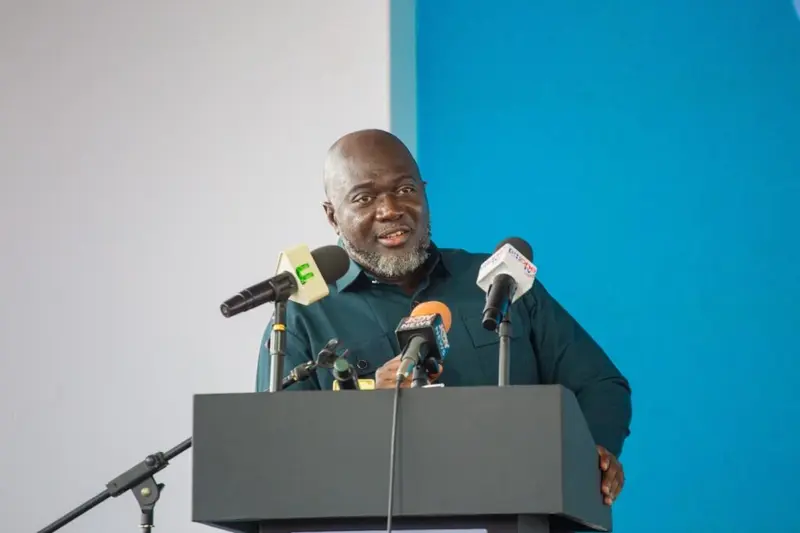
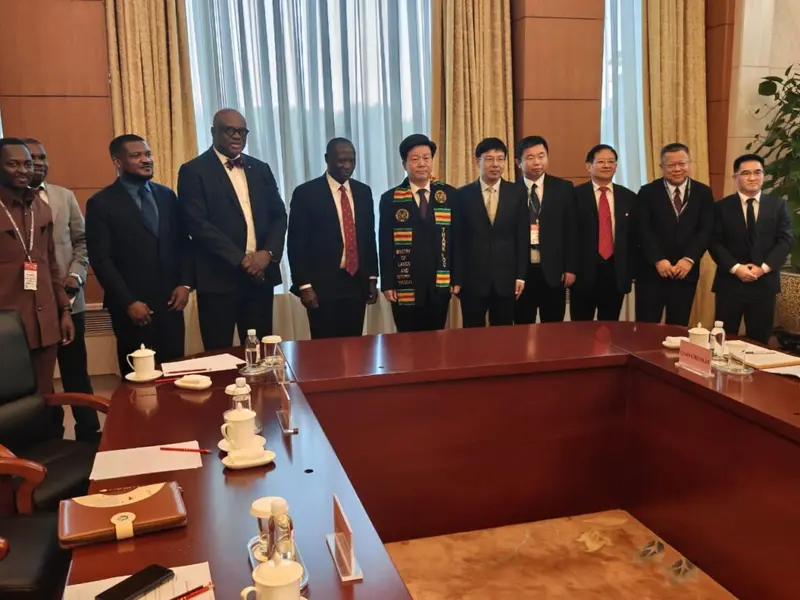
Finance Minister Dr. Cassiel Ato Forson engaged with labour and government officials to discuss government expenditure. Employee compensation is a large portion of government spending- but what does this mean for the economy?
Summary - read the full story for complete context.
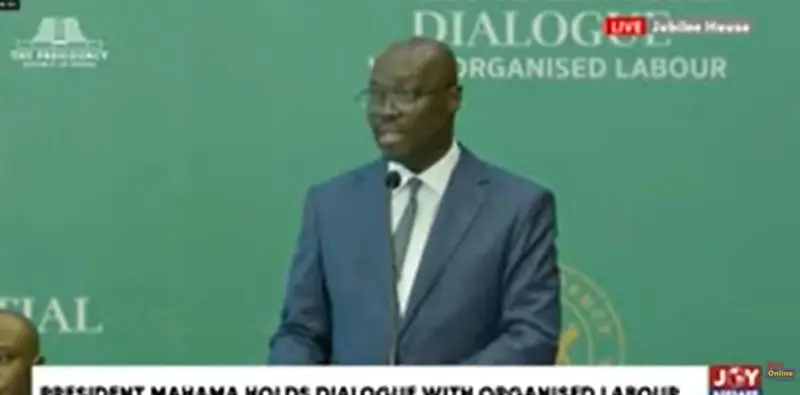
Image: MyJoyOnline
Also covered by
GhanaFront aggregates news from trusted sources. Click to read the original article.
Keywords
Explore related tagsMore from MyJoyOnline
Related Stories
More from Business & Economy

Oil prices jump more than 2% after new strikes on Saudi, Strait of Hormuz
New strikes on Saudi targets and a vessel attack near a key oil chokepoint raise fresh supply fears - what comes next?
1d ago•