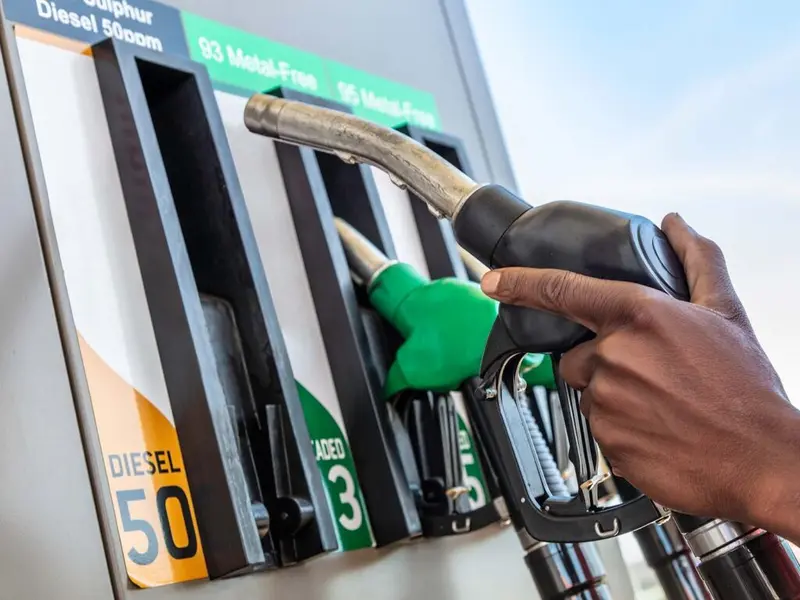
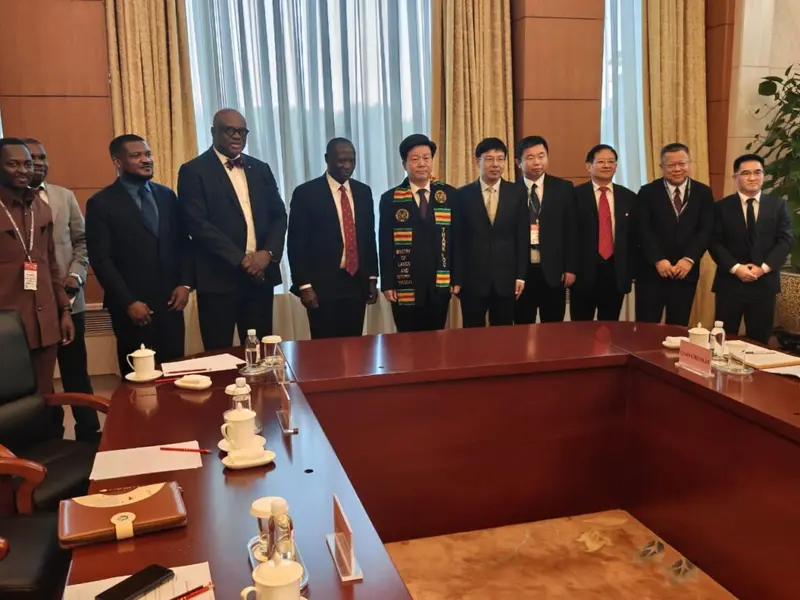
Drivers unhappy over rising fuel prices- Deputy PRO, GPRTU
The Setup: The transportation sector in Ghana is a complex web of private operators, government regulations, and fluctuating global commodity prices. The Ghana Private Road Transport Union (GPRTU) plays a crucial role in representing the interests of commercial drivers, who form the backbone of the nation's mobility. Recent shifts in the economic landscape have placed considerable strain on these drivers, leading to growing concerns about their ability to maintain their livelihoods. The situation is further complicated by a confluence of factors affecting operational costs, creating a challenging environment for those who rely on driving for their income.
Context: Ghana's economy is heavily influenced by global market trends, particularly in the energy sector. Fuel prices, a critical component of transportation costs, are susceptible to fluctuations in global oil prices and exchange rate volatility. Historically, increases in fuel prices have triggered widespread public concern, given their ripple effect on the cost of goods and services. The GPRTU, as a key stakeholder, has consistently advocated for policies that protect the interests of its members and ensure the sustainability of the transportation industry. Beyond fuel, the cost of vehicle maintenance, including spare parts and lubricants, also plays a significant role in the overall operational expenses faced by drivers. These costs are often impacted by import duties, currency depreciation, and global supply chain disruptions. Furthermore, regulatory requirements, such as insurance premiums and licensing fees, add to the financial burden on commercial drivers.
Stakes: The current situation involves several key players with potentially conflicting interests. The government, responsible for setting fuel price regulations and overseeing the transportation sector, must balance the need to generate revenue with the imperative to maintain affordable transportation for the public. The GPRTU, representing the drivers, seeks to ensure fair compensation and sustainable working conditions for its members. Spare parts dealers and insurance companies, operating within a market-driven environment, are influenced by their own cost structures and profit margins. Tensions often arise when rising operational costs threaten the profitability of commercial drivers, leading to calls for government intervention or fare adjustments. The stakes are high, as the sustainability of the transportation sector directly impacts the livelihoods of thousands of drivers and the affordability of transportation for the general population. Failure to address these concerns could lead to disruptions in transportation services and increased economic hardship for many Ghanaians.
What to Watch: Several open questions remain regarding the future of the transportation sector in Ghana. Will the government implement policies to mitigate the impact of rising fuel prices on commercial drivers? Can the GPRTU negotiate favorable terms with spare parts dealers and insurance companies to reduce operational costs? Will there be adjustments to transport fares to reflect the increased expenses faced by drivers? These are critical questions that will determine the stability and sustainability of the transportation industry in the coming months. The perspectives and actions of key stakeholders, including government officials, GPRTU representatives, and industry experts, will be crucial in shaping the future of this vital sector.
Quick Summary
Commercial drivers in Ghana are worried about the rising costs of operating vehicles - the GPRTU warns that increasing fuel prices are placing pressure on them. Rising fuel costs, spare parts, and insurance premiums may affect transport operators.
Summary - read the full story for complete context.
Image: MyJoyOnline
GhanaFront aggregates news from trusted sources. Click to read the original article.
Keywords
Explore related tagsMore from MyJoyOnline
Related Stories
More from Business & Economy
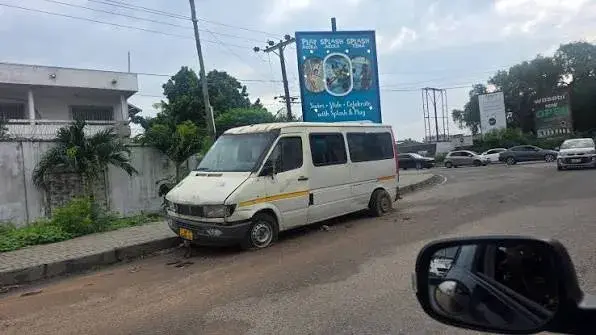
GPRTU opposes auctioning broken-down vehicles after 21 days
Why is the GPRTU fighting a rule that could cost drivers their vehicles after just three weeks?
2d ago•2 min read