Divaloper renews partnership with KGL Foundation to expand STEM training for girls
The Ghanaian education sector has long grappled with disparities in access and opportunity, particularly when it comes to Science, Technology, Engineering, and Mathematics (STEM) fields. While the nation has made strides in overall educational attainment, a significant gender gap persists, with fewer girls and women pursuing STEM-related studies and careers. This imbalance not only limits individual potential but also hinders Ghana's broader economic development, as a diverse and skilled workforce is crucial for innovation and competitiveness in the global arena. Several organizations and initiatives have emerged to address this challenge, working to inspire and empower young women to embrace STEM and break down the barriers that have historically excluded them. These efforts often involve partnerships between non-profits, educational institutions, and corporate entities, pooling resources and expertise to create impactful programs.
Ghana's commitment to STEM education is rooted in the recognition that it is essential for driving economic growth and achieving sustainable development goals. The government has implemented various policies and initiatives to promote STEM at all levels of education, from primary school to tertiary institutions. However, the challenge remains in ensuring that these opportunities are accessible to all, regardless of gender or socioeconomic background. Cultural norms and societal expectations often discourage girls from pursuing STEM fields, perpetuating the stereotype that these subjects are better suited for boys. Furthermore, a lack of female role models in STEM can make it difficult for young girls to envision themselves in these careers. Overcoming these obstacles requires a multifaceted approach that addresses both systemic barriers and individual attitudes.
The key players in this space include government agencies responsible for education and technology, non-governmental organizations focused on gender equality and STEM promotion, and private sector companies seeking to build a diverse talent pipeline. Tensions can arise from competing priorities and approaches, as well as the need to ensure that programs are sustainable and aligned with national development goals. What's at stake is Ghana's ability to harness the full potential of its human capital and create a more inclusive and prosperous society. Failure to address the gender gap in STEM will not only limit opportunities for women but also hinder the country's progress in achieving its development aspirations.
Several open questions remain regarding the effectiveness and scalability of these interventions. How can programs be designed to ensure long-term sustainability and impact? What are the most effective strategies for engaging parents and communities in supporting girls' STEM education? How can the private sector be further incentivized to invest in STEM initiatives that promote gender equality? And what are the best ways to measure the success of these programs and ensure accountability? These questions are critical for guiding future efforts and maximizing the impact of investments in STEM education for girls in Ghana.
Quick Summary
Divaloper and the KGL Foundation are renewing their partnership for a third year- focusing on STEM training. The collaboration aims to empower African youth with digital skills, particularly benefiting girls and young women- but what challenges will they face?
Summary - read the full story for complete context.
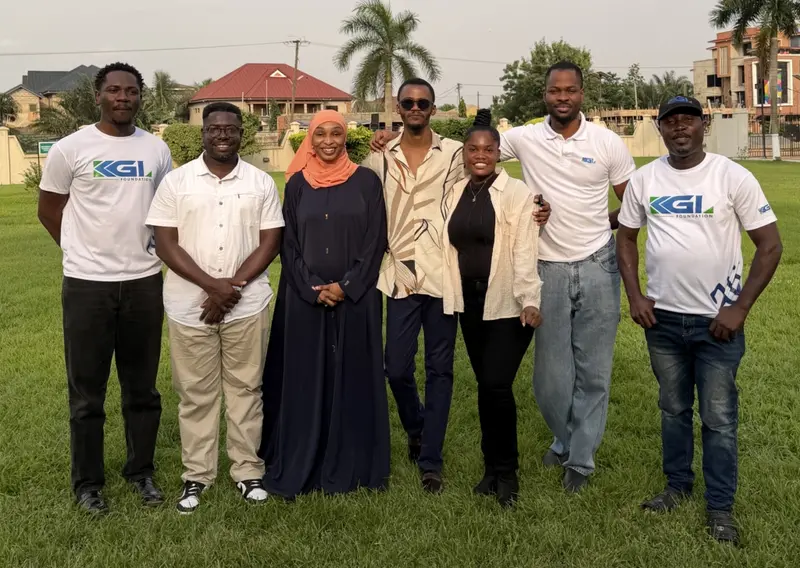
Image: MyJoyOnline
GhanaFront aggregates news from trusted sources. Click to read the original article.
Keywords
Explore related tagsMore from MyJoyOnline
Related Stories
More from Education
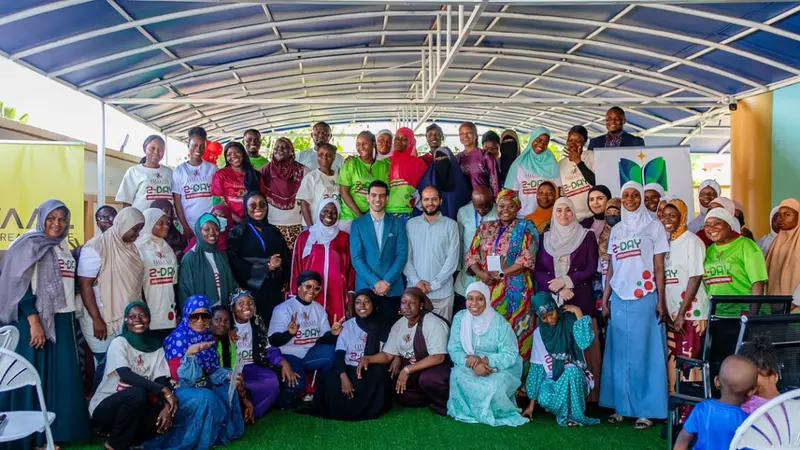
HIDAH Foundation equips youth with future-ready skills at free 2-day development programme
A free youth program in East Legon promises future-ready skills- but what comes next for participants?
3d ago•