Chief Imam commends Mahama, prays for peace and unity ahead of Eid al-Fitr
The relationship between religious leaders and political figures in Ghana is a delicate dance, steeped in tradition and often carrying significant weight in the public sphere. The National Chief Imam, a highly respected figure within the Muslim community and beyond, occupies a unique position. His pronouncements and interactions with political leaders are often carefully scrutinized, reflecting the broader societal values of respect for elders and the importance of religious harmony. Similarly, the office of the President, currently occupied by a leader navigating a complex political landscape, frequently seeks to engage with religious communities, acknowledging their influence and seeking their blessings.
Ghana's history is marked by a strong emphasis on religious tolerance and peaceful coexistence. This is not merely a matter of rhetoric; it's a lived reality reflected in the everyday interactions between Christians, Muslims, and adherents of traditional faiths. However, this harmony is not automatic. It requires continuous effort and conscious cultivation, particularly during politically charged periods. The role of religious leaders in fostering this unity is paramount. They serve as moral compasses, reminding citizens of shared values and the importance of prioritizing national cohesion over partisan divisions. Furthermore, in a country where faith plays a significant role in daily life, the perceived alignment or endorsement of a religious leader can have a notable impact on public opinion. The intersection of faith and politics is therefore a sensitive area, requiring careful navigation from all involved.
In the lead-up to major religious festivals like Eid al-Fitr, the stakes are particularly high. These occasions are not only times for spiritual reflection and celebration but also opportunities for political leaders to demonstrate their commitment to inclusivity and religious harmony. Gestures of goodwill, expressions of support, and acknowledgements of the contributions of religious communities are common. However, these interactions are not without potential pitfalls. Any perceived bias or favoritism towards one religious group over another can quickly spark controversy and undermine the very unity it seeks to promote. The key players, including the National Chief Imam, government officials, and the President himself, must be acutely aware of the potential for misinterpretation and strive to maintain a balanced and respectful approach. The media, too, plays a crucial role in shaping public perception and ensuring that these interactions are reported accurately and fairly.
Several questions remain unanswered. What specific form did the "kind gesture" take, and what motivated it at this particular time? How will this interaction be perceived by other religious groups and the wider public? What impact, if any, will it have on the political climate as the nation moves forward? The answers to these questions will undoubtedly shed further light on the complex interplay between religion, politics, and national unity in Ghana.
Quick Summary
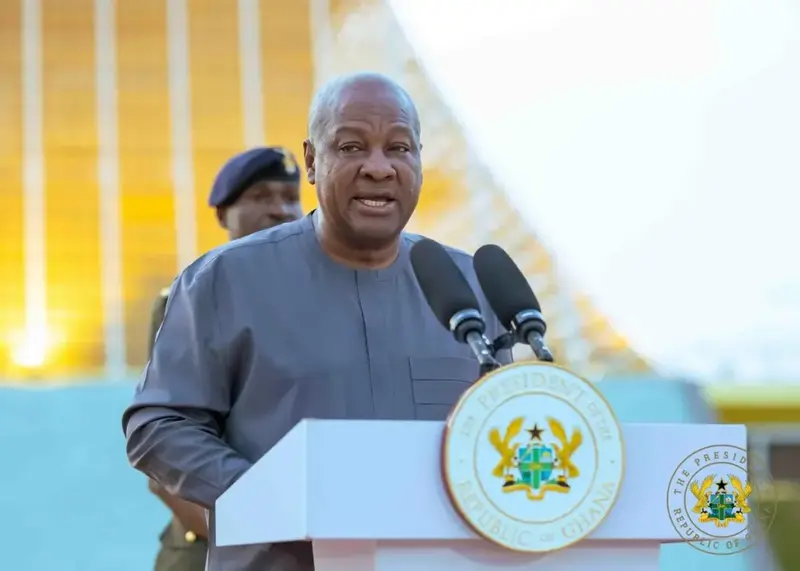
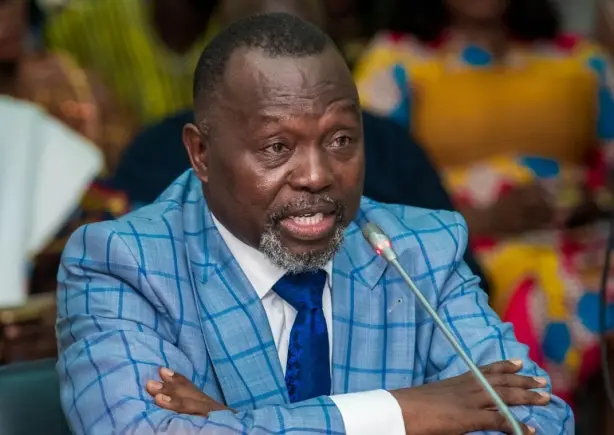
The National Chief Imam, Sheikh Osman Nuhu Sharubutu, received a gesture on behalf of President Mahama ahead of Eid al-Fitr. The Imam offered prayers for peace and unity-asking for divine guidance for leaders.
Summary - read the full story for complete context.
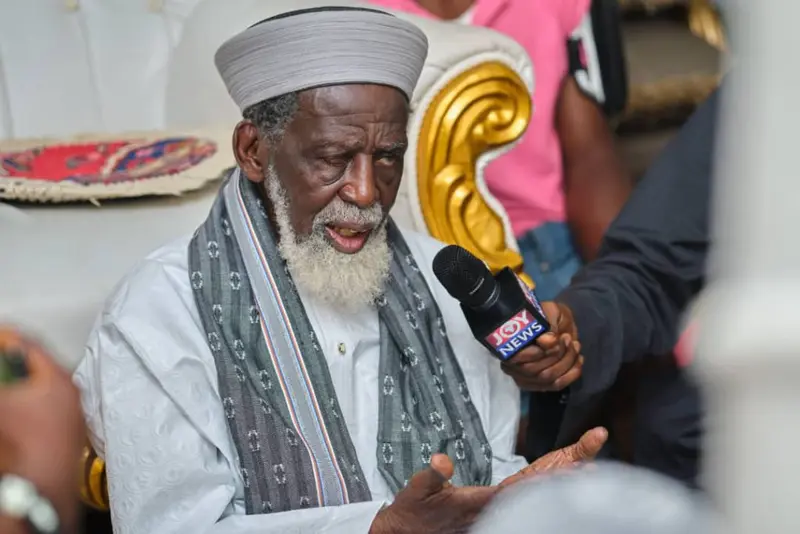
Image: Adom Online
Also covered by
GhanaFront aggregates news from trusted sources. Click to read the original article.
Keywords
Explore related tagsMore from Adom Online
Related Stories
More from Politics
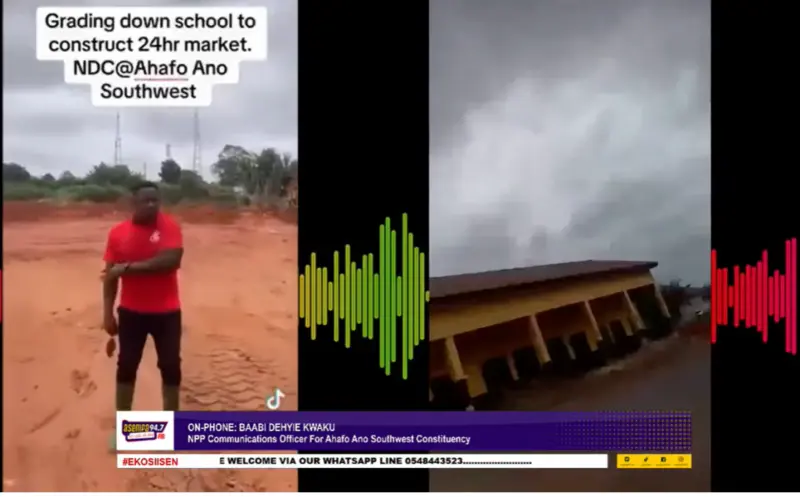
NPP communications officer alleges attack over Ahafo Ano Southwest market project
What happened when he went to record the site - and why were the suspects released?
14h ago•