BoG Governor Cautions Against Complacency Despite Falling Global Oil Prices
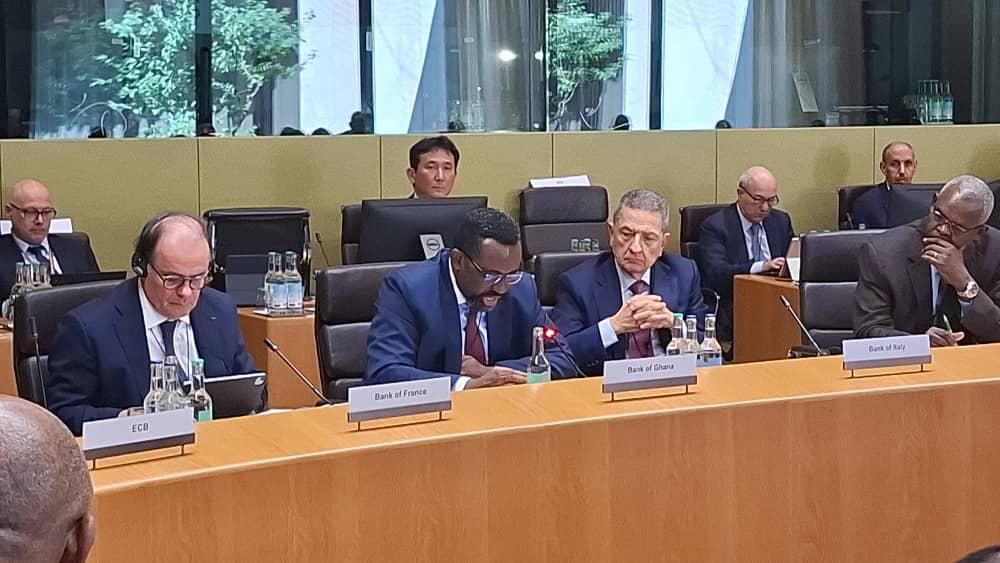
Image: GhanaFront Editorial
BoG Cautions Against Complacency as Oil Prices Dip
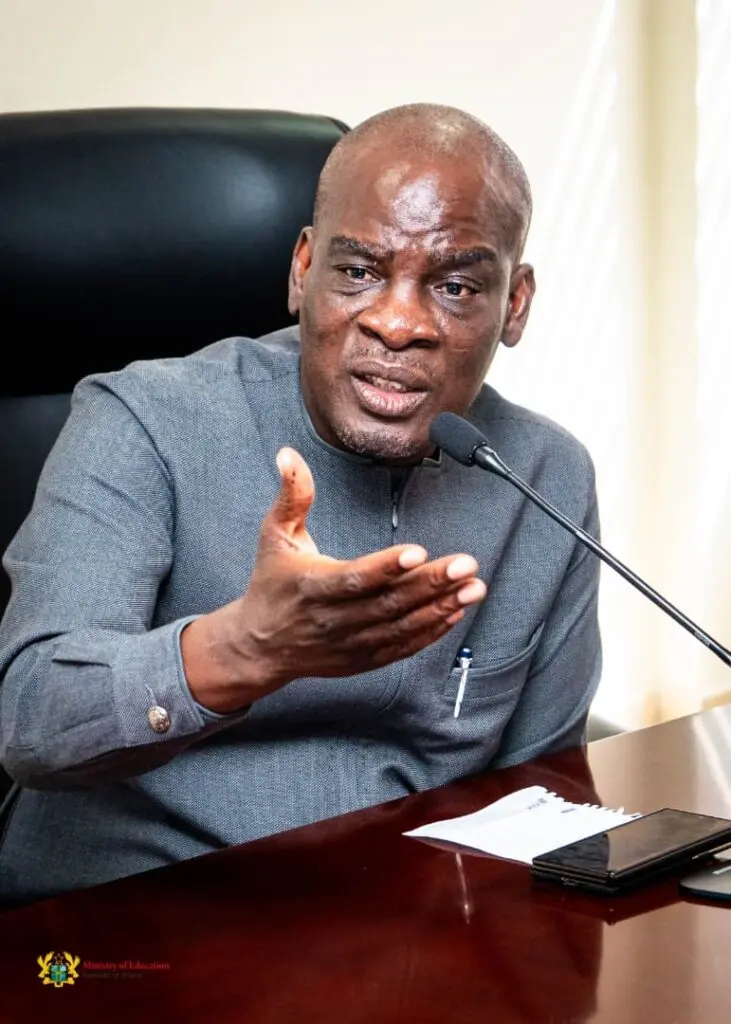
Bank of Ghana (BoG) Governor Dr. Johnson Asiama has delivered a sobering assessment of the global economic landscape, warning that the recent dip in international crude oil prices should not lull emerging economies into a false sense of security. Speaking on June 27 at the Bank for International Settlements (BIS) Roundtable of Governors in Basel, Switzerland, the central bank chief emphasized that Ghana must remain aggressively vigilant against persistent global shocks.
The easing of crude oil prices, largely triggered by a ceasefire in the Middle East, has provided temporary relief to oil-importing nations across sub-Saharan Africa. Lower fuel costs typically translate to reduced transport fares and lower production costs, easing the burden on consumers. However, Dr. Asiama stressed that this development is merely a single variable in a highly complex global economic equation. He pointed out that the overarching environment remains fraught with tight financial conditions, a persistently strong United States dollar, and deep-seated uncertainty across major international markets.
For countries like Ghana, which rely heavily on importing manufactured goods and industrial inputs, a strong US dollar effectively imports inflation. Even if the barrel price of oil drops, a weak local currency can completely erase those gains at the fuel pump. This dynamic underscores why the central bank remains on high alert.
"The recent Middle East conflict demonstrated how quickly external conditions can change things. For central banks, that means maintaining credible policy frameworks, while preserving room to respond as risks evolve," Dr. Asiama stated during the high-level gathering.
Navigating Global Headwinds and Sustaining Local Gains
Ghana's recent macroeconomic trajectory has been marked by a significant turnaround, driven by what the Governor described as careful planning, prudent economic management, and aggressive domestic resource mobilization. The statistics illustrate a dramatic recovery from the economic turbulence that gripped the nation just a few years prior.
The recovery metrics presented at the BIS roundtable paint a picture of an economy that has stepped back from the brink:
- Headline inflation has plummeted from a devastating peak of over 54% in late 2022 down to a remarkable 3.7% in May 2026, signaling immense relief for the average Ghanaian household.
- Gross international reserves reached a robust US$14.4 billion by May 2026, providing a critical buffer against future currency shocks.
- The national treasury is currently recording a primary fiscal surplus, a critical indicator that the government is living within its immediate means before accounting for debt service.
Despite these hard-won gains, the broader international environment poses continuous threats. Developing nations are finding it increasingly difficult to secure favorable terms on the international capital markets. Global investors, wary of geopolitical tensions and lured by higher yields in advanced economies, are pulling capital away from emerging frontiers. Dr. Asiama noted that external financing has fundamentally shifted, becoming noticeably more expensive, far less predictable, and for some sovereign states, entirely inaccessible.
The Strategic Pivot to Domestic Borrowing
This harsh reality has forced a strategic pivot across the African continent. Governments are increasingly turning their attention inward, looking to domestic capital markets to fund critical infrastructure, healthcare, education, and other development projects. This shift serves a dual purpose: it significantly reduces exposure to volatile foreign exchange fluctuations and diversifies the funding base by mobilizing local institutional savings.
While the turn toward local markets began as a strict necessity driven by external pressures, the BoG Governor revealed that it is rapidly evolving into a deliberate, strategic policy choice for Ghana and its regional peers. By building internal capacity, nations can theoretically insulate themselves from the unpredictable moods of Wall Street and London.
"What began as a response to tighter external financing is increasingly becoming a strategic policy choice. Governments are utilizing domestic markets to reduce exchange rate exposure, diversify their funding sources and mobilize domestic savings to finance development," he explained to the assembly of central bankers.
However, this inward pivot is not without its own set of substantial, systemic risks. Dr. Asiama delivered a clear warning regarding the potential pitfalls of over-reliance on local borrowing. While shielding the sovereign balance sheet from external currency shocks, heavy domestic borrowing effectively transfers those risks directly into the local financial system.
When a government borrows aggressively from its own commercial banks, pension funds, and insurance companies, it risks crowding out the private sector. If banks find it safer and more profitable to lend to the government, everyday businesses and entrepreneurs may struggle to secure the credit they need to expand, hire, and innovate. Furthermore, an overexposed domestic banking sector can threaten the savings of ordinary citizens if sovereign debt ever faces distress.
To mitigate these severe threats, the Governor outlined a clear, urgent path forward for the next phase of economic reform.
"The next phase of reform must therefore focus on building domestic debt markets that are deeper, longer dated and more diversified, so that today's solution does not become tomorrow's vulnerability," Dr. Asiama cautioned.
Lessons from Debt Restructuring and Future Outlook
Ghana's journey through a comprehensive debt restructuring program under the International Monetary Fund (IMF) Extended Credit Facility offers a vital blueprint for other nations facing similar fiscal cliffs. The country's strategy has not simply relied on debt forgiveness, but has been heavily supported by strict fiscal consolidation measures and sweeping institutional reforms.
These structural adjustments are aimed at restoring long-term debt sustainability while simultaneously rebuilding the nation's policy credibility on the global stage. By demonstrating a commitment to tough reforms, Ghana aims to gradually regain the trust of international investors while simultaneously building a more resilient local financial architecture.
The financial markets, corporate leaders, and local businesses are now closely monitoring these developments as they anticipate the central bank's next move. The Monetary Policy Committee (MPC) is slated to convene from July 20 to July 22, 2026, with a new policy directive expected on the final day. With the benchmark policy rate currently standing at 14%, analysts are weighing Dr. Asiama's cautious, globally aware tone against the backdrop of single-digit inflation and a stabilizing local currency.
The upcoming MPC decision will be a critical indicator of how the Bank of Ghana plans to balance the urgent need to stimulate local economic growth through cheaper credit against the imperative of defending the economy from unpredictable global crosswinds. If the Governor's address in Switzerland is any indication, the central bank will prioritize long-term stability over short-term stimulus. For now, the message from Basel is unmistakable: Ghana's economic recovery is real and measurable, but the macroeconomic defenses must remain fully fortified against a volatile world.
More from GhanaFront Editorial
Related Stories
More from Business & Economy

Oil prices edge lower as Iran says it is open to diplomacy to end the war
As Tehran and Washington trade signals on ending the war, what could this mean for oil prices and the Strait of Hormuz?
4d ago•