Beyond "no bed syndrome": Lessons for Ghana's universities
Prof. Jonathan Laryea argued in a recent commentary that Ghana's persistent "No Bed Syndrome" reflects deeper policy and infrastructure failures rather than the shortcomings of frontline healthcare workers. He invites us to rethink how national systems are planned and resourced.
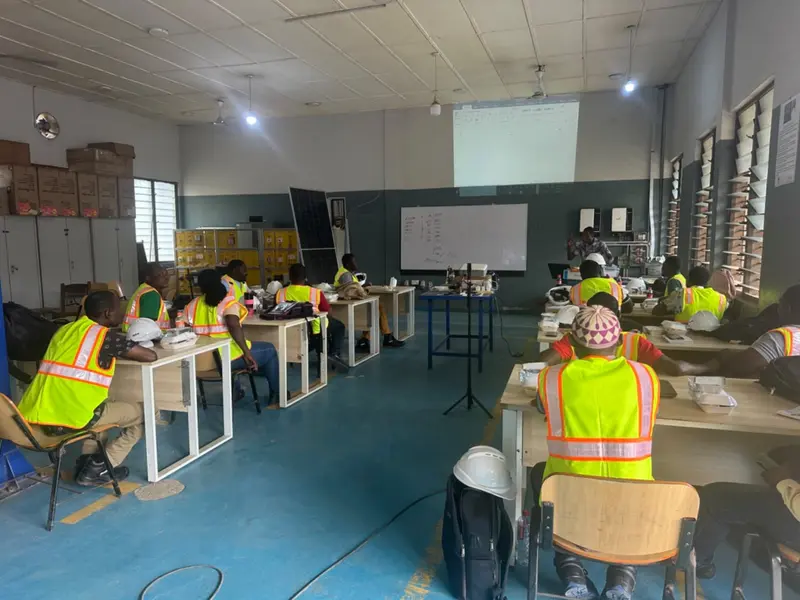
Ghanaian universities face a similar crisis to hospitals, including no lecture rooms, inadequate accommodation, overstretched staff, and infrastructure that has not kept pace with expanding student numbers. Lecture halls designed for 200 students now host 400 or even 500. Most public universities can house only about 30-40 percent of their student population on campus. Over the past two decades, Ghana has expanded access to higher education, but this expansion has not been matched by proportional investment in infrastructure.
Pressures within universities have been intensified by recent directives from the Ghana Tertiary Education Commission requiring staff to retire strictly on the day they attain the statutory retirement age-even when that date falls in the middle of an academic semester. Historically, universities allowed staff who reached retirement age during the academic year to remain in service until the end of the academic cycle.
Quick Summary
Ghana's universities are facing a crisis similar to the healthcare system's "no bed syndrome" - a strain on resources. Overcrowded lecture halls and inadequate accommodation threaten academic quality, hinting at deeper structural challenges.
Summary - read the full story for complete context.

Image: MyJoyOnline
GhanaFront aggregates news from trusted sources. Click to read the original article.
Keywords
Explore related tagsMore from MyJoyOnline
Related Stories
More from Education

Meet Dr Benjamin Appiah Osei - Ghana's three-time tourism awards winner
How did a university academic turn digital storytelling into a three-year run of national tourism honours?
4d ago•3 min read