Beyond dust and smoke: Scientists warn dangerous radon gas may be increasing lung cancer risks in Weija, McCarthy Hill and parts of Ghana
Scientists warn that radon gas may be increasing lung cancer risks in Weija, McCarthy Hill and parts of Ghana. Dr. Irene Opoku-Ntim, Senior Research Scientist at the Ghana Atomic Energy Commission, said, "There's also another hidden risk that is radon, which is giving people lung cancer beyond smoking and the other pollutants that we know out there."
Radon is a radioactive gas naturally present in the environment. It seeps from the ground into homes through cracks, holes and poorly ventilated spaces. The World Health Organisation says indoor radon levels above 100 becquerels per cubic metre pose a health risk. Researchers have identified areas with higher concentrations of radon, including Weija, Kasoa, and McCarthy Hill. Research shows that places with high radon concentration is being correlated with places that have earthquakes.
Scientists say that if soil tests show high radon levels, they will advise on how to build. They advise sealing cracks in homes. Researchers say greater awareness and testing could help families better protect themselves.
Quick Summary
Ghana Atomic Energy Commission researchers are raising concerns about a dangerous, naturally occurring gas. They say prolonged exposure to radon could increase lung cancer risks - even among non-smokers.
Summary - read the full story for complete context.
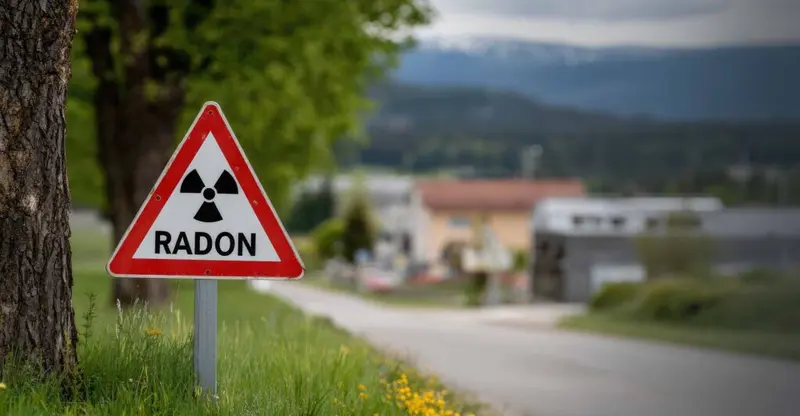
Image: MyJoyOnline
GhanaFront aggregates news from trusted sources. Click to read the original article.
Keywords
Explore related tagsMore from MyJoyOnline
Related Stories
More from Health
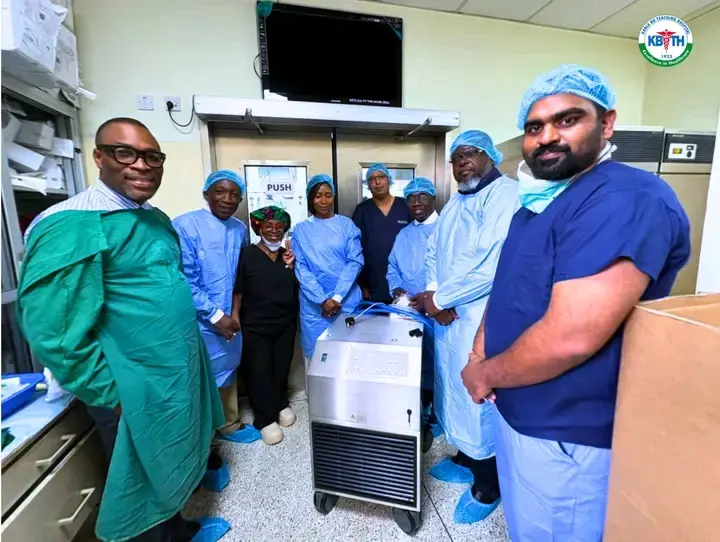
Quantum LC donates €75,000 state-of-the-art heater-cooler unit to National Cardiothoracic Centre
A major medical upgrade arrives at Ghana's heart surgery hub - but what does it mean for patients?
2d ago•