Agrotech Fair 2026: EXIM Bank reaffirms commitment to export-led agribusiness transformation
The Ghana EXIM Bank plays a crucial role in the nation's economic development, tasked with facilitating and promoting trade, particularly exports. Its leadership often engages with various sectors, including agriculture, to explore opportunities for growth and collaboration. The agricultural sector in Ghana, a significant contributor to the GDP and a major employer, has been the subject of much discussion lately, with stakeholders exploring ways to enhance its productivity and competitiveness on the global stage. Several initiatives and events are routinely organized to bring together farmers, processors, exporters, and financial institutions to foster dialogue and forge partnerships. These gatherings serve as platforms for sharing ideas, showcasing innovations, and addressing challenges facing the sector.
Ghana's agricultural landscape is deeply intertwined with its economic aspirations. For decades, the country has relied heavily on agriculture, but its potential for export-led growth remains largely untapped. The sector faces numerous hurdles, including inadequate infrastructure, limited access to finance, and a lack of value addition. Successive governments have attempted to address these challenges through various policies and programs, but progress has been uneven. There's a growing recognition that transforming agriculture from a subsistence activity to a commercially viable enterprise is essential for achieving sustainable economic development. This transformation requires strategic investments in technology, infrastructure, and human capital, as well as a supportive policy environment that encourages innovation and entrepreneurship. The focus on value addition is particularly important, as it allows Ghana to move beyond exporting raw materials and capture a larger share of the global market. The role of financial institutions like Ghana EXIM Bank is therefore critical in providing the necessary funding and support for businesses to invest in processing, packaging, and marketing their products.
The key players in this narrative include the Ghana EXIM Bank, agricultural producers, processors, exporters, and government agencies responsible for agricultural policy. Tensions can arise from competing priorities and differing perspectives on the best way to achieve agricultural transformation. Farmers often struggle with access to credit and markets, while processors face challenges in securing reliable supplies of raw materials. Exporters, on the other hand, are concerned about meeting international quality standards and competing with established players in the global market. The government's role is to balance these competing interests and create an enabling environment for all stakeholders. The stakes are high, as the success of Ghana's agricultural transformation will have a significant impact on the country's economic growth, job creation, and food security. A failure to address the challenges facing the sector could lead to continued reliance on imports, limited economic diversification, and persistent poverty in rural areas.
Several open questions remain regarding the future of Ghana's agribusiness sector. Will the Ghana EXIM Bank's commitment translate into tangible support for businesses operating along the agricultural value chain? How will the bank's policies align with the government's broader agricultural development agenda? What specific interventions will be prioritized to address the key challenges facing the sector, such as access to finance, infrastructure, and technology? How will the bank ensure that its support reaches smallholder farmers and other marginalized groups? And ultimately, how will the bank measure the impact of its interventions on the overall performance of the agricultural sector and its contribution to Ghana's economic development? These questions are crucial for understanding the potential impact of the bank's commitment and its role in shaping the future of Ghana's agribusiness landscape.
Quick Summary
Ghana EXIM Bank has reaffirmed its dedication to reshaping Ghana's agribusiness sector. The Bank's CEO, Sylvester Adinam Mensah, highlighted the institution's commitment to bolstering the agricultural value chain- but what does this mean for the future?
Summary - read the full story for complete context.
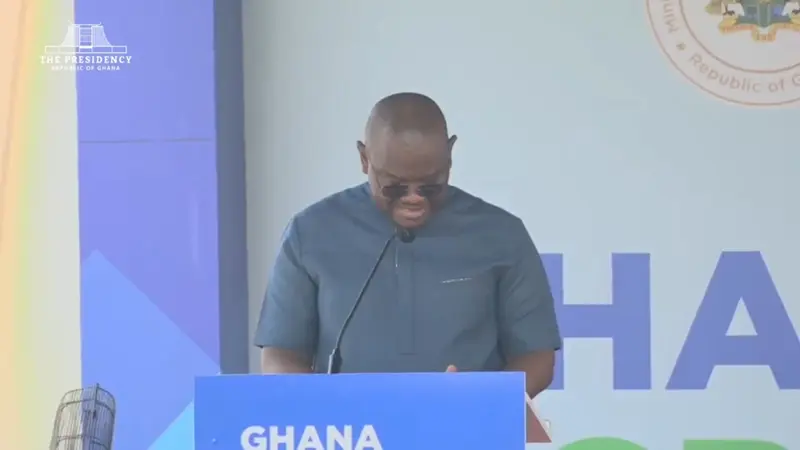
Image: MyJoyOnline
GhanaFront aggregates news from trusted sources. Click to read the original article.
Keywords
Explore related tagsMore from MyJoyOnline
Related Stories
More from Business & Economy

COPEC calls for GH¢1 petrol, continuation of GH¢2 diesel subsidy amid price surge
Will the government heed COPEC's call for fuel subsidies as prices surge?
2d ago•