Africa's unity key to overcoming crude oil supply challenges - Dr Ishmael Hlovor
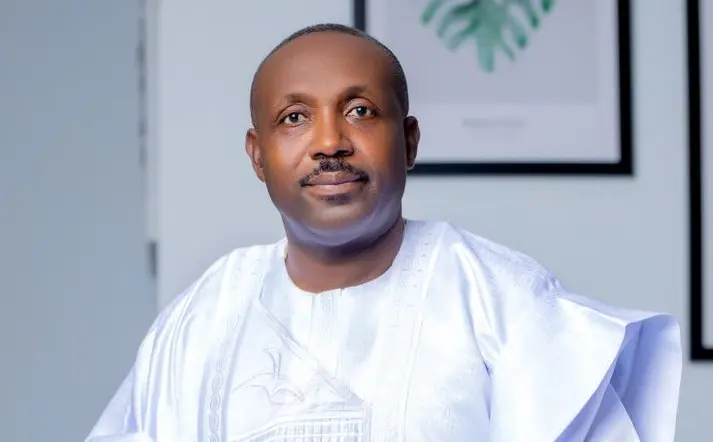
Dr. Ishmael Hlovor is a name increasingly heard in discussions surrounding Ghana's place in the global geopolitical landscape. He frequently lends his expertise on international relations to local media, offering perspectives on how events far beyond Ghana's borders ripple through its economy and society. His analyses often focus on the delicate dance between national sovereignty and the interconnectedness of the modern world, particularly concerning resource management and economic stability.
Ghana, like many African nations, finds itself at a crucial juncture regarding its energy sector. The country has made strides in oil exploration and production, but it remains heavily reliant on imported crude oil to meet its domestic needs. This dependence makes Ghana vulnerable to price fluctuations and supply disruptions stemming from global events, a reality that has become increasingly apparent in recent years. The dream of becoming a self-sufficient energy producer has been a long-held aspiration, fueled by the discovery of oil reserves. However, realizing this ambition requires overcoming significant hurdles, including infrastructure development, technological expertise, and strategic partnerships. The conversation around energy security is further complicated by the global push towards renewable energy sources and the need for Ghana to balance its fossil fuel ambitions with its commitment to environmental sustainability. The debate is not just about economic gains, but also about Ghana's role in a rapidly changing world.
The energy sector in Ghana involves a complex web of actors, from government agencies responsible for regulating the industry to private companies involved in exploration, production, and distribution. International oil companies also play a significant role, bringing in capital and expertise but also raising questions about resource exploitation and equitable benefit-sharing. Tensions often arise between the desire to maximize revenue from oil resources and the need to ensure that these resources are managed sustainably and for the benefit of all Ghanaians. The ongoing geopolitical instability in various parts of the world adds another layer of complexity, as conflicts and political tensions can disrupt supply chains and drive up prices, impacting Ghana's economy and the livelihoods of its citizens. The stakes are high, as energy security is not only essential for economic growth but also for social stability and national security.
Several key questions remain at the forefront of discussions about Ghana's energy future. Can Ghana develop its oil resources in a way that benefits its citizens and promotes sustainable development? How can the country reduce its dependence on imported crude oil and shield its economy from global shocks? What role can regional cooperation play in strengthening Africa's energy security? These are the questions that policymakers, industry experts, and ordinary Ghanaians are grappling with as they navigate the challenges and opportunities of the 21st century. The answers to these questions will shape Ghana's economic trajectory and its place in the world for years to come.
Quick Summary
Analyst Ishmael Hlovor discussed Africa's crude oil procurement challenges on Joy News. He suggested continental unity could help- but what benefits might that bring?
Summary - read the full story for complete context.
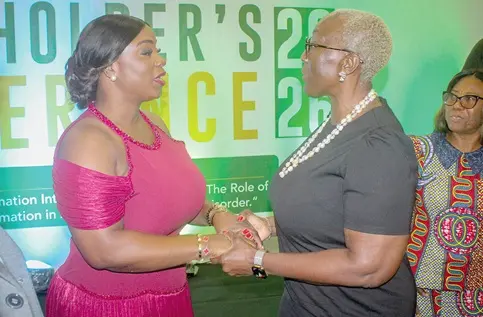
Image: MyJoyOnline
GhanaFront aggregates news from trusted sources. Click to read the original article.
Keywords
Explore related tagsMore from MyJoyOnline
Related Stories
More from Business & Economy
Ghana outlines plans to expand port infrastructure and strengthen maritime sector
New berths, rail links, and local chart production - what's driving Ghana's maritime overhaul?
4d ago•