Abu Jinapor raises alarm over Ghana's drop in global mining investment ranking
Samuel Abu Jinapor, a prominent figure in Ghanaian politics and a former Minister of Lands and Natural Resources, has recently voiced apprehension regarding a shift in the perception of Ghana as an attractive destination for mining investment. His concerns stem from data reflecting changes in how global investors view the country's mining sector. This development arrives at a time when Ghana is actively seeking to bolster its economy and leverage its natural resources for sustainable growth. The implications of this perceived shift could be far-reaching, potentially impacting the nation's economic trajectory and its ability to compete within the global mining landscape.
Ghana's mining sector has historically been a cornerstone of its economy, contributing significantly to export earnings, foreign exchange reserves, employment opportunities, and government revenue. Gold, in particular, has been a dominant force, with Ghana even surpassing South Africa in recent years to become Africa's leading gold producer. This success is built upon a foundation of both large-scale mining operations and smaller, artisanal mining activities. However, the sector is not without its challenges. Issues such as illegal mining, environmental degradation, and land disputes have long plagued the industry, requiring ongoing efforts to ensure responsible and sustainable mining practices. Furthermore, the regulatory environment and fiscal policies governing the mining sector are constantly evolving, often sparking debate and discussion among stakeholders. The delicate balance between attracting foreign investment and maximizing the benefits for the Ghanaian people is a continuous tightrope walk.
The current situation highlights the complex interplay of various factors that influence investment decisions in the mining sector. Key players involved include the government, responsible for setting policies and regulations; mining companies, both domestic and international, who seek to extract resources profitably; local communities, who are often directly affected by mining activities; and regulatory bodies, tasked with ensuring compliance and environmental protection. Tensions can arise from differing priorities and perspectives. For example, mining companies may prioritize profit maximization, while local communities may prioritize environmental protection and social responsibility. The government must navigate these competing interests to create a stable and attractive investment climate while also safeguarding the interests of its citizens and the environment. The stakes are high, as a decline in mining investment could lead to reduced economic growth, job losses, and a diminished ability to fund essential public services.
Several open questions remain as stakeholders grapple with the implications of this shift in investor perception. Will the government respond with policy adjustments to address investor concerns? What specific measures will be taken to streamline regulations, enhance transparency, and ensure policy consistency? How will the government balance the need to attract foreign investment with the desire to maximize the benefits for the Ghanaian people and protect the environment? Will ongoing initiatives to combat illegal mining and promote responsible mining practices be strengthened? The answers to these questions will ultimately determine the future trajectory of Ghana's mining sector and its ability to continue contributing to the nation's economic prosperity.
Quick Summary
Abu Jinapor has voiced concerns over Ghana's slide in the Global Mining Investment Attractiveness Index. This development could have far-reaching implications for the nation's mining sector- but how?
Summary - read the full story for complete context.
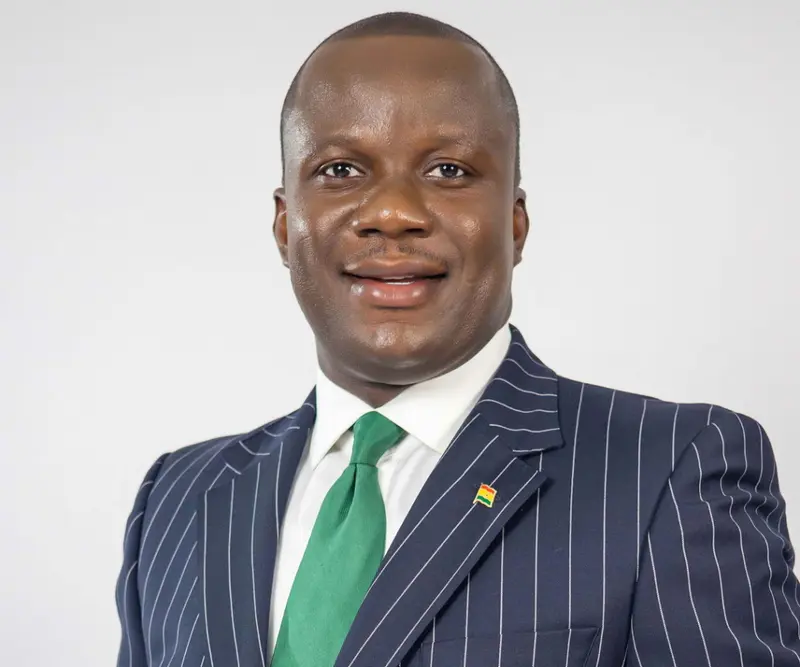
Image: MyJoyOnline
Also covered by
GhanaFront aggregates news from trusted sources. Click to read the original article.
Keywords
Explore related tagsMore from MyJoyOnline
Related Stories
More from Business & Economy
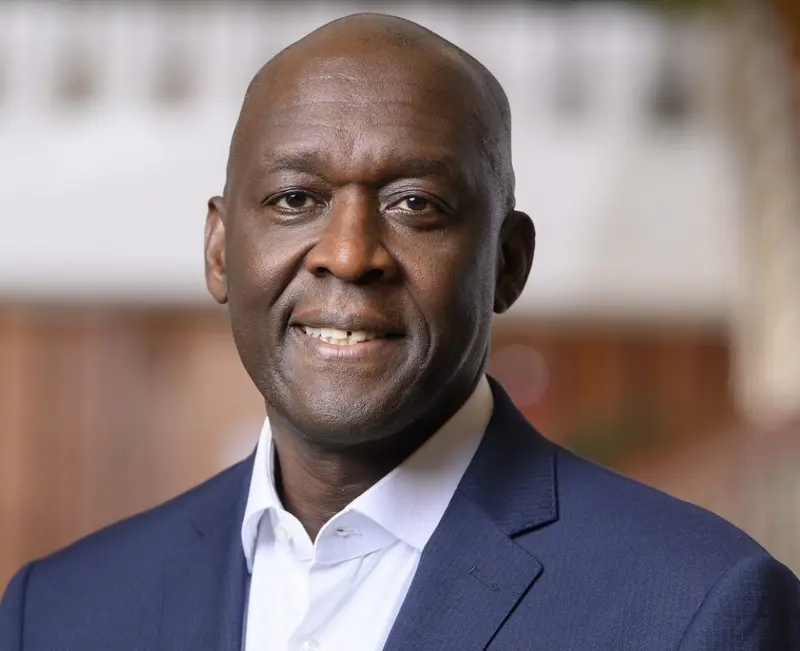
IFC Managing Director Makhtar Diop to visit Ghana for investment talks
What could this high-level IFC visit mean for Ghana's private sector and job creation?
2d ago•2 min read