A levy without justification: Why the GH¢1 Energy Levy must be withdrawn
Ghana's energy sector has long been a subject of intense scrutiny and debate, a complex web of government policies, global market forces, and the everyday realities faced by Ghanaian consumers. The Ministry of Finance, tasked with navigating this intricate landscape, often finds itself balancing the need for revenue generation with the imperative to keep the cost of living manageable for its citizens. This balancing act becomes particularly delicate when it comes to the pricing of petroleum products, a commodity that directly impacts transportation costs, business operations, and household budgets across the nation. The introduction of new levies or taxes on fuel is rarely met with enthusiasm, especially when economic conditions are already strained.
Ghana's energy sector is burdened by a history of debt accumulation, often stemming from under-recoveries in the pricing of electricity and petroleum products. Successive governments have grappled with this issue, implementing various measures to address the shortfall and ensure the financial sustainability of the sector. The Energy Sector Levy Act (ESLA), first introduced several years ago, has been a key tool in this effort, imposing levies on petroleum products to service these debts. However, the application and modification of these levies are frequently contentious, sparking discussions about fairness, transparency, and the overall impact on the Ghanaian economy. The global oil market, notoriously volatile, adds another layer of complexity. Fluctuations in crude oil prices, driven by geopolitical events and supply-demand dynamics, can have a significant impact on pump prices in Ghana, a country that relies heavily on imported petroleum products.
The key players in this ongoing drama include the Minister of Finance, responsible for fiscal policy and revenue mobilization; the National Petroleum Authority (NPA), the regulatory body overseeing the petroleum industry; and the Chamber of Oil Marketing Companies, representing the interests of fuel distributors and retailers. Consumer advocacy groups and labor unions also play a vital role, voicing concerns about the affordability of fuel and its impact on the cost of living. Tensions often arise between the government's need to generate revenue and the public's desire for lower fuel prices. The introduction of new levies, even with the best intentions, can be perceived as a burden on already struggling households and businesses. The stakes are high, as the affordability of fuel directly impacts economic activity, inflation, and the overall well-being of the Ghanaian population.
Several open questions remain as Ghanaians navigate the ever-shifting economic terrain. How will the government balance its fiscal responsibilities with the need to provide relief to consumers facing rising fuel costs? What impact will global geopolitical events have on crude oil prices and, consequently, pump prices in Ghana? Will the Energy Sector Levy Act be amended to address concerns about its impact on the cost of living? And ultimately, can a sustainable solution be found to address the energy sector's debt without placing an undue burden on the Ghanaian people? These are the questions driving public discourse and shaping the debate surrounding Ghana's energy future.
Quick Summary
Ghana's energy sector is facing scrutiny over the GH¢1 per liter levy on petrol and diesel- a levy introduced in mid-2025. The justification for this levy is now being questioned as market dynamics shift, raising concerns about its impact on consumers and the economy.
Summary - read the full story for complete context.

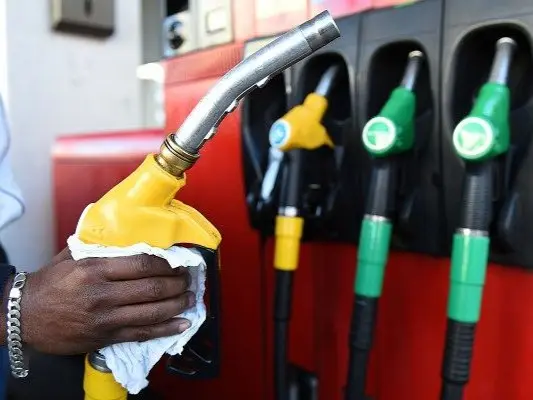
Image: Adom Online
GhanaFront aggregates news from trusted sources. Click to read the original article.
Keywords
Explore related tagsMore from Adom Online
Related Stories
More from Business & Economy
NPA raises petrol price floor to GH¢16, diesel to GH¢16.77 from September 16
New fuel price floors announced - what will this mean for your next fill-up?
22h ago•