$24.7m LPG bottling plant under review as completion stalls - Energy Minister
The Western Region of Ghana, known for its rich natural resources and vibrant communities, has long been a focal point for development initiatives. The area is home to a significant portion of Ghana's oil and gas reserves, making it a strategic location for energy-related projects. Within this region, the Ellembelle, Ajumuro, and Gwira areas represent a microcosm of the broader challenges and opportunities facing Ghana's energy sector. These communities, like many others across the nation, are eager to see the benefits of resource extraction translated into tangible improvements in their daily lives. The promise of industrial development and job creation often hangs in the balance, dependent on the successful execution of ambitious projects.
Ghana's energy sector is a complex tapestry woven with threads of ambition, aspiration, and, at times, disappointment. The country has consistently sought to diversify its energy sources and improve access to reliable and affordable fuel for its citizens. Liquefied Petroleum Gas (LPG) plays a crucial role in this strategy, serving as a cleaner alternative to traditional cooking fuels like charcoal and firewood, which contribute to deforestation and indoor air pollution. The National Cylinder Recirculation Model, a program designed to improve the distribution and accessibility of LPG, reflects the government's commitment to promoting cleaner energy solutions. This initiative aims to streamline the process of acquiring and refilling LPG cylinders, making it easier for households and businesses to adopt this fuel source. However, the implementation of such large-scale projects often faces hurdles, ranging from logistical challenges to funding constraints and the ever-present need for transparency and accountability.
The key players involved in Ghana's energy sector are diverse and include government ministries, state-owned enterprises, private sector companies, and international investors. The Ministry responsible for energy plays a pivotal role in setting policy direction, overseeing project implementation, and ensuring compliance with regulations. The board of directors of relevant agencies also wields considerable influence, tasked with making strategic decisions and managing resources effectively. Tensions can arise from competing priorities, differing perspectives on project feasibility, and the pressure to deliver results within tight timelines. The stakes are high, as the success or failure of these projects can have a significant impact on Ghana's energy security, economic growth, and the well-being of its citizens. Furthermore, public trust in government institutions and the private sector is constantly being tested, making transparency and accountability paramount.
Several open questions surround this particular project and its future. What specific factors led to the significant cost overruns and delays? What were the findings of the initial front-end engineering design, and why were key market and feasibility studies not conducted beforehand? Who will be held accountable for any potential mismanagement or oversight? Will the independent market and feasibility studies provide a clear path forward, or will they reveal further complications? What are the alternative options if the project is deemed unviable in its current form? The answers to these questions will undoubtedly shape the future of the project and have broader implications for Ghana's energy sector. The public, and particularly the residents of the Western Region, are keenly awaiting the outcome of the review and the subsequent decisions that will be made.
Quick Summary
Ghana's Energy Minister has told Parliament that the $24.7m LPG bottling plant at Axim is under review. The project has stalled, and critical studies were not conducted before awarding the contract - leaving many to wonder about its future.
Summary - read the full story for complete context.
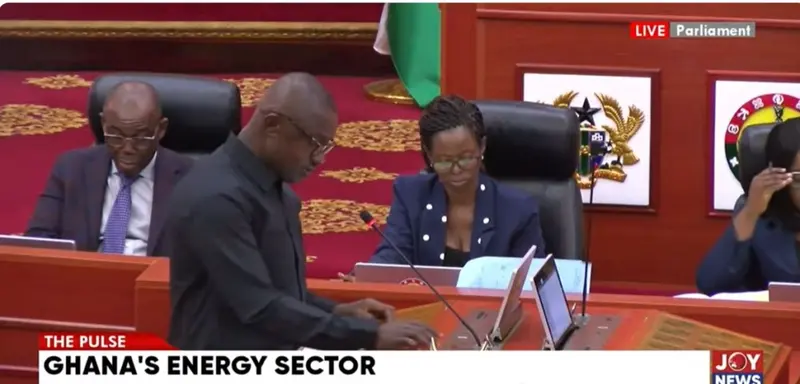
Image: MyJoyOnline
Also covered by
GhanaFront aggregates news from trusted sources. Click to read the original article.
Keywords
Explore related tagsMore from MyJoyOnline
Related Stories
More from Business & Economy
NPA increases price floor from September 16; petrol to sell at GHC16, diesel at GHC16.77
New fuel price floors from September 16 - will pump prices surge and hit your wallet?
16h ago•