Wooden structure reduced to ashes at Nyohini
The Harmattan season in Ghana is often a double-edged sword. While the cooler temperatures offer respite from the usual tropical heat, the dry air also brings with it an increased risk of fire outbreaks. This is particularly true in densely populated areas and informal settlements, where building materials are often flammable and safety regulations are difficult to enforce. The Ghana National Fire Service (GNFS) is perpetually on high alert during this period, working tirelessly to prevent and respond to incidents across the country. Their efforts are crucial, given the potential for devastating consequences when fire takes hold.
Fire safety in Ghana is a complex issue intertwined with socio-economic factors. Rapid urbanization has led to overcrowding in many cities, with makeshift structures often erected without proper planning or adherence to building codes. Electrical faults, improper storage of flammable materials like petrol and gas cylinders, and unattended cooking stoves are common causes of fires. Furthermore, public awareness of fire safety measures remains a challenge, with many communities lacking the knowledge and resources to prevent and respond to emergencies effectively. The GNFS faces significant hurdles in reaching these communities and promoting a culture of fire safety. The service itself often struggles with resource constraints, including inadequate equipment and staffing, which can hamper their ability to respond quickly and effectively to incidents, especially in remote areas.
The Northern Region of Ghana, like many other parts of the country, is particularly vulnerable to fire outbreaks. The region's predominantly rural landscape and reliance on traditional building materials, such as thatch and wood, contribute to the risk. The dry Harmattan winds exacerbate the situation, creating ideal conditions for fires to spread rapidly. Local authorities, including the Sagnarigu Municipal Assembly, are often stretched thin in their efforts to manage fire risks and provide support to affected communities. The economic impact of fires can be significant, particularly for small businesses and households who may lose their livelihoods and possessions in a single incident. The psychological toll on victims can also be profound, leaving them with lasting trauma and a sense of insecurity.
Several questions linger in the aftermath of this latest incident. What specific factors contributed to the outbreak? What steps are being taken to support those affected by the destruction? And, perhaps most importantly, what measures are being implemented to prevent similar incidents from occurring in the future? The answers to these questions will be crucial in shaping the response to this particular event and in strengthening fire safety measures across the region. The investigation's findings, coupled with the Fire Service's ongoing public education efforts, will undoubtedly be closely watched by residents and stakeholders alike.
Quick Summary
A fire has razed a wooden structure at Nyohini near the Nyohini Roundabout in Tamale. Firefighters responded swiftly to contain the inferno - but what started the blaze?
Summary - read the full story for complete context.
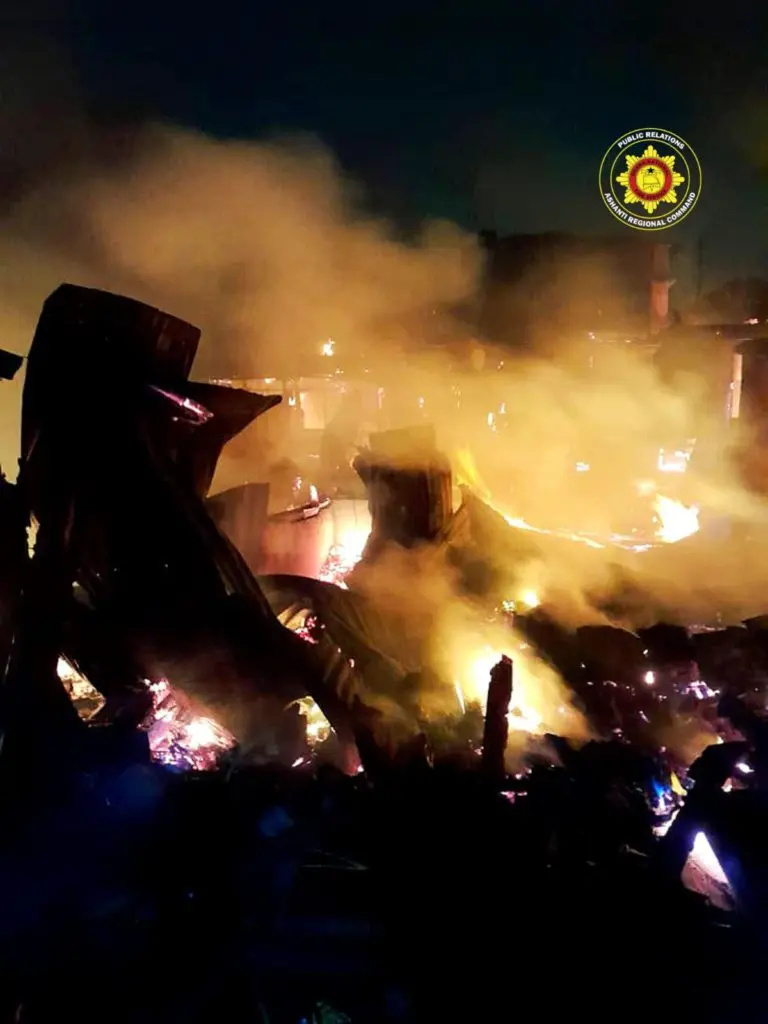
Image: Adom Online
GhanaFront aggregates news from trusted sources. Click to read the original article.
Keywords
Explore related tagsMore from Adom Online
Related Stories
More from Regional
NAIMOS vows decisive action over reported Atewa Forest illegal mining
What will NAIMOS do next in the Atewa Forest after new illegal mining reports?
4d ago•2 min read