US-Iran Fighting Escalates After Deadly Jordan Attack On American Troops
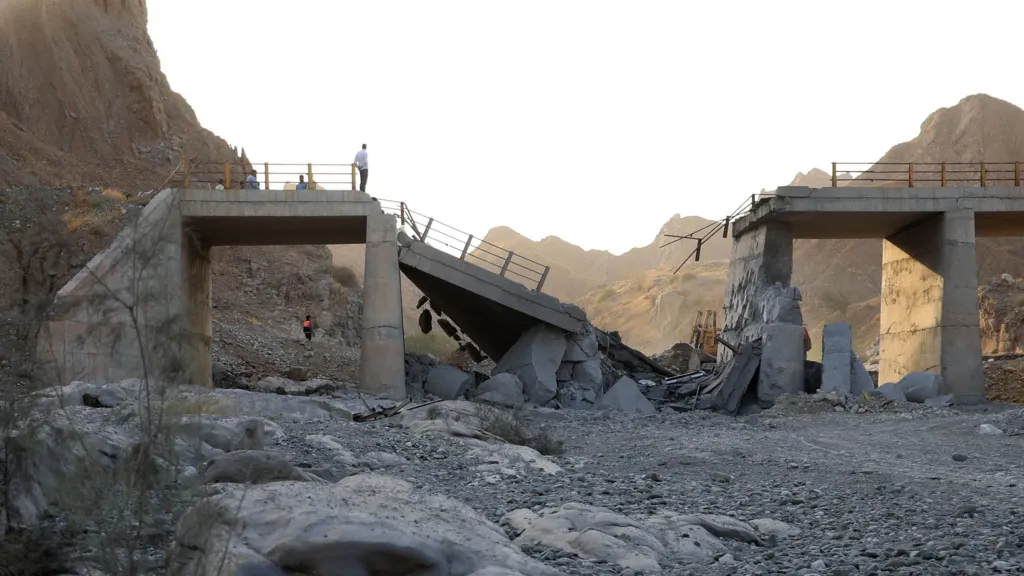
Image: GhanaFront Editorial
The latest exchange of fire between the United States and Iran has pushed an already fragile confrontation into a sharper military phase, after Washington launched fresh strikes on Iranian coastal surveillance and air defence sites on Saturday night.
US Central Command said American forces hit Iranian military capabilities, including assets linked to the Islamic Revolutionary Guard Corps, after two US service members were killed in Jordan on Friday. Centcom said one other service member remains missing.
Iranian state media reported that Qeshm Island, a strategic location in the Strait of Hormuz, was among the areas struck. Tehran later said its army had responded with drone attacks on two US bases in Kuwait, naming Camp Udairi and Ali Al Salem Air Base.
Washington Targets Iranian Military Capabilities
According to Centcom, Saturday night marked the eighth successive night of US attacks connected to the latest round of hostilities. The command said the operation was aimed at weakening Iran's ability to threaten commercial shipping in the Strait of Hormuz, a critical route for global energy trade.
Centcom said the strikes were designed to "further degrade Iran's ability to threaten commercial shipping in the Strait of Hormuz" and to punish IRGC forces accused of attacks on US personnel in Jordan.
The US military also tied the operation directly to the deaths of the two American service members in Jordan. In an earlier statement, Centcom said American and partner forces had been defending against Iranian ballistic missile and drone attacks when the casualties occurred.
Centcom said it would not immediately release the names of the dead service members out of respect for their families, adding that identifying details would be withheld until 24 hours after next of kin had been notified.
US Defence Secretary Pete Hegseth reacted publicly on X, writing: "Godspeed, heroes. Their sacrifice only stiffens our resolve." His statement signalled that Washington intends to maintain pressure on Tehran despite the mounting cost to US forces.
The deaths in Jordan have raised the US death toll in the conflict to 16. That figure increased after an American Navy pilot who went missing earlier this month was declared dead, marking the second rise in the toll within the same week.
Iran Claims Drone Strikes On US Bases In Kuwait
Iran's response came through state-linked reporting that described attacks on two American military locations in Kuwait. The IRGC-affiliated Tasnim news agency said Iran had carried out "large-scale attacks with kamikaze drones" against an American military depot at Camp Udairi and another site at Ali Al Salem Air Base.
The claim adds another Gulf country to the immediate theatre of escalation, even as the core confrontation remains between Washington and Tehran. Kuwait hosts US military facilities and sits close to the routes and bases that have become increasingly exposed as attacks spread across the region.
Neither side is presenting the current exchange as an isolated incident. The US says its strikes are a direct answer to attacks on American personnel and to Iranian threats around the Strait of Hormuz. Iran says its actions are retaliation for American strikes on its territory and military assets.
The Strait of Hormuz remains central to the crisis. Iran previously declared the waterway closed after Washington reimposed a blockade of Iranian ports. The US says its latest operations are intended to stop Iran from threatening commercial shipping there.
- Two US service members were killed in Jordan on Friday.
- One US service member remains missing, according to Centcom.
- The US says it struck Iranian coastal surveillance and air defence facilities.
- Iranian media said Qeshm Island in the Strait of Hormuz was hit.
- Iran says it launched drone attacks on Camp Udairi and Ali Al Salem Air Base in Kuwait.
Collapsed Ceasefire Leaves Region On Edge
The latest strikes follow a week of renewed hostilities after a preliminary ceasefire deal between Washington and Tehran collapsed less than a month after it began. The two countries reached an initial agreement in June to end the war, but the arrangement quickly unravelled.
President Donald Trump declared the agreement "over" on 8 July. Since then, both sides have accused each other of attacking critical infrastructure, while the pattern of strikes has widened across military and strategic targets.
The renewed fighting has left little space for diplomacy. Washington's blockade of Iranian ports and Tehran's declaration over the Strait of Hormuz have turned shipping, energy flows and Gulf security into immediate pressure points. Any prolonged disruption in the strait would carry consequences well beyond the region.
For now, both governments are framing their actions as defensive. The US says it is protecting service members and commercial shipping. Iran says it is answering American aggression. The danger is that each response is now being treated by the other side as fresh justification for another strike.
That cycle has already produced a rising casualty toll, direct attacks across multiple locations and a breakdown of the ceasefire track that briefly offered a route away from open confrontation. With US forces, Iranian military sites and Gulf bases now all involved, the conflict is moving through one of its most volatile phases yet.
More from GhanaFront Editorial
Related Stories
More from Politics

Salaga South MP asks why Obuasi SHTS headmaster has not been arrested
Why has the suspended headmaster not been arrested despite mounting allegations?
1d ago•2 min read