Top Causes of Eye Problems
The conversation around public health in Ghana often focuses on communicable diseases and maternal health, sometimes overshadowing other critical aspects of well-being. Many Ghanaians, particularly those in urban areas, spend considerable time engaging with screens, whether for work, education, or leisure. This increased screen time, coupled with environmental factors like dust and pollution, places a significant strain on eye health. Furthermore, access to specialized medical care, including ophthalmologists, can be limited, especially in rural communities, making preventative measures and early detection all the more crucial.
Eye health in Ghana is influenced by a complex interplay of factors. Historically, traditional remedies played a significant role in addressing eye problems, but with increasing urbanization and access to modern medicine, there's been a shift towards seeking professional medical advice. However, awareness about common eye conditions and their potential impact on daily life remains relatively low. This is compounded by the fact that many Ghanaians may not prioritize eye check-ups as part of their routine healthcare, often only seeking help when symptoms become severe. Furthermore, the affordability of eye care, including glasses and specialized treatments, can be a barrier for some segments of the population. The rise of digital technology and its impact on eye strain is a relatively recent phenomenon, and its long-term effects on the nation's eye health are still being studied.
Several key players are involved in shaping the landscape of eye care in Ghana. The Ghana Health Service plays a crucial role in providing public eye health services, particularly through primary healthcare facilities. Non-governmental organizations (NGOs) also contribute significantly by conducting outreach programs, providing subsidized eye care, and raising awareness about preventative measures. Ophthalmologists and optometrists in both public and private practice are at the forefront of diagnosing and treating eye conditions. Tensions can arise from resource constraints, leading to disparities in access to eye care between urban and rural areas. The stakes are high, as impaired vision can significantly impact an individual's ability to work, learn, and participate fully in society.
As Ghanaians become increasingly reliant on digital devices and face environmental challenges, understanding the common causes of eye problems becomes paramount. What are the most prevalent eye conditions affecting Ghanaians today? How can individuals proactively protect their eye health and prevent long-term damage? What are the available treatment options for various eye problems, and how accessible are they to the general population? What role can technology play in improving eye care delivery and awareness in Ghana? These are some of the open questions that will likely drive readers to seek further information and solutions.
Quick Summary
Many people experience eye problems, some minor and others needing expert care- but what are the most common issues? From eyestrain to colourblindness, understanding the causes could be key.
Summary - read the full story for complete context.
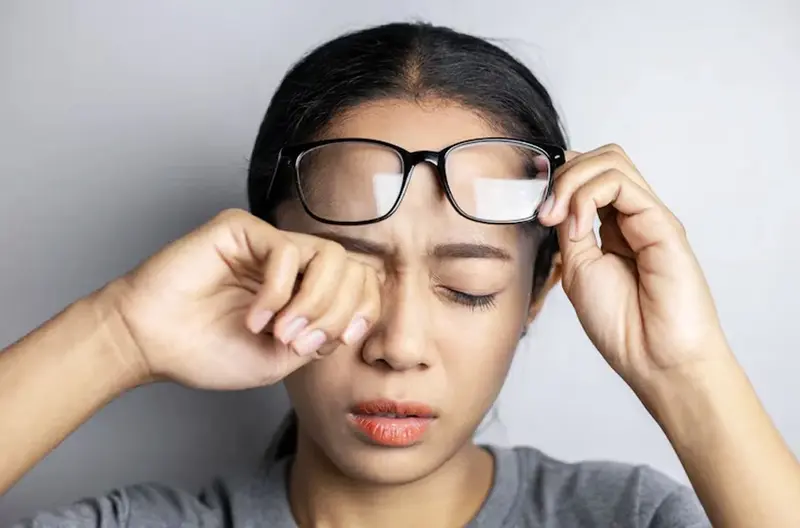
Image: The Chronicle
GhanaFront aggregates news from trusted sources. Click to read the original article.
Keywords
Explore related tagsMore from The Chronicle
Related Stories
More from Health

Urologist debunks claim that regular ejaculation prevents prostate cancer
What if a popular prostate cancer prevention tip is not backed by science?
1d ago•2 min read