TMPC Targets Uncertified Massage Therapists In Ghana Wellness Crackdown
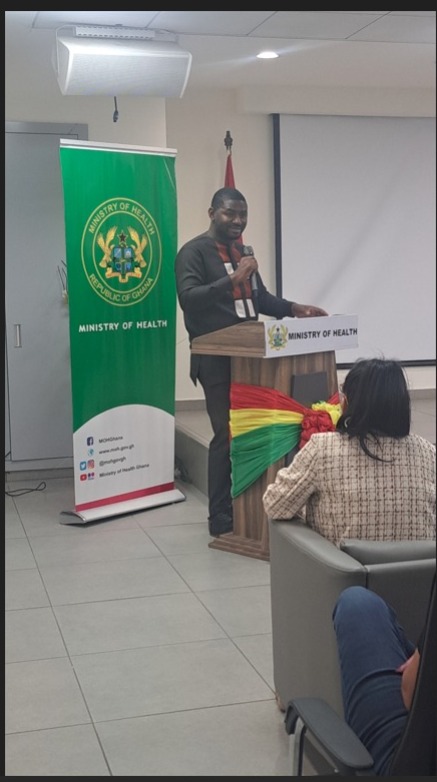
Image: GhanaFront Editorial
Ghana's Traditional Medicine Practice Council has begun a firmer push to clean up the country's fast-growing massage therapy industry, warning that untrained practitioners are putting clients at risk and weakening public trust in legitimate wellness services.
The Council says the rise of massage businesses in spas, private homes and on social media has created a regulatory challenge that cannot be ignored. While many therapists have taken the professional route through training, licensing and standard facilities, others are offering services without the certification required to treat clients safely.
At the centre of the renewed campaign is a clear message from the Council: massage therapy is not casual bodywork. It is a health-related service that requires proper knowledge of the human body, ethical conduct and legal accountability.
TMPC moves to separate trained therapists from unsafe operators
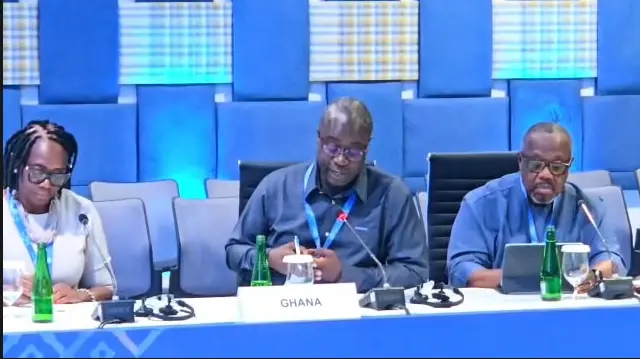
Speaking during a Continuous Professional Development training programme at the Ministry of Health Auditorium in Accra, the Acting Registrar of the Traditional Medicine Practice Council, Dr Yakubu Tobor Yusuf, said the Council is stepping up professional training and enforcement across the sector.
Dr Yusuf said the public often underestimates what safe massage therapy involves. According to him, a practitioner must understand the body's muscles, how they function, and how key systems such as the lymphatic system respond during treatment. Without that knowledge, what is advertised as therapy can quickly become harmful.
"Massage is not just pulling and pushing. You must understand the muscles and the systems of the body before you handle a client," Dr Yusuf warned, according to the Council's position at the training.
The Council is concerned that the misconception around massage has encouraged some people to enter the business with little or no training. That gap, Dr Yusuf noted, has already led to cases where clients suffered injuries after receiving treatment from people who did not know how to handle the body properly.
The problem has become more visible as massage services gain popularity across Ghana. In Accra and other urban centres, therapists advertise through Instagram, TikTok, Facebook, WhatsApp and home-service platforms, often with little information about their professional status. For clients seeking pain relief, stress management or wellness support, it can be difficult to know who is properly trained and who is simply marketing a service.
To address that concern, the Council says it is working toward the publication of a national register of certified massage therapists. The register is expected to help the public confirm whether a practitioner has been trained, certified and licensed before booking a session.
Dr Yusuf compared the proposed system to the recognised register of licensed medical doctors, where members of the public can check professional standing. For the massage industry, such a database would bring much-needed transparency and give credible practitioners a stronger basis to distinguish themselves from informal operators.
Training, consent and legal responsibility now in focus
The Accra training programme did not focus only on technique. It also addressed the legal and ethical obligations of massage therapists, including the need to explain procedures, risks and alternatives before treatment begins.
Dr Kofi Blankson, Legal Representative of the Ghana Health Service in Tema, told participants that massage therapy is recognised as a form of medical treatment and cannot be treated as an informal service outside professional standards. That recognition places a duty of care on practitioners and exposes them to legal consequences when they act negligently.
According to Dr Blankson, therapists must obtain informed consent from clients. That means a client should understand what treatment is being proposed, what may happen during the session, what risks exist, and whether there are other options. A therapist who fails to provide that information or who ignores proper standards could face legal action.
The reminder is significant in a sector where many clients may not know their rights. Massage therapy often involves direct physical contact, private treatment rooms and clients who may already be dealing with pain or physical discomfort. Clear consent protects both the client and the practitioner. It also raises the professional standard of the industry.
Experts at the programme cautioned therapists against negligence and malpractice, stressing that proper documentation, ethical boundaries and professional communication are part of safe practice. These are not optional extras for anyone presenting massage as a health or wellness treatment.
Facilities that fail compliance checks face shutdown
The Traditional Medicine Practice Council says its next steps will combine education with enforcement. With support from the Ministry of Health, the Council plans to continue licensing practitioners, monitoring compliance and closing facilities that fail to meet regulatory requirements.
The enforcement drive is aimed at protecting the public without damaging the legitimate side of the industry. Massage therapy has become an important part of Ghana's broader wellness economy, supporting jobs in spas, rehabilitation services, fitness centres, hotels and private care. But the Council's position is that growth without standards is dangerous.
For properly trained therapists, stronger regulation could be a win. A national register and firmer licensing checks would help reduce unfair competition from unqualified operators who charge for services without making the same investment in training, equipment and compliance.
For clients, the message is simple: check before you book. The Council's planned register should make that easier, but until then, members of the public are being urged to ask practitioners about their training, certification and licence status before receiving treatment.
- The TMPC is strengthening regulation of massage therapy in Ghana.
- A national register of certified massage therapists is being planned.
- Practitioners are expected to understand anatomy, body systems and safe treatment methods.
- Therapists must explain procedures, risks and alternatives before care.
- Facilities that fail to meet requirements may be shut down.
The Council believes continuous professional education, stricter enforcement and stronger collaboration within the industry will help restore confidence in massage therapy as a credible part of Ghana's healthcare and wellness system.
The warning is timely. As more Ghanaians turn to massage therapy for relaxation, pain relief and general wellness, the industry must prove that popularity is matched by professionalism. The TMPC's crackdown signals that the days of operating without training, licences or accountability are coming under closer scrutiny.
More from GhanaFront Editorial
Related Stories
More from Health
Techiman residents get free health screening as KGL Foundation marks Breast Cancer Awareness month
A student's fear of hidden illness drives him to a free screening - but what did the health checks reveal?
1d ago•