Time is Justice: Breaking the Chains of Courtroom Delays
Nii Okai Laryea instituted an action in court after disputes arose over a property's ownership in Tamale, Northern Region. Nii Okai Laryea and Atswei traveled to Tamale to attend a scheduled court proceeding, only to find the bench vacant. The case was adjourned because the judge was indisposed, attending a training programme, or had been transferred.
Araba Mansa, a trader at Kotokuraba Market near Cape Coast Castle, sought justice in court following a business dispute. The law required her to follow the defendant to Accra. Four times she made the journey, and four times the case was adjourned. The defendant's lawyer requested more time because he had not adequately prepared his witness statements, had just received additional documents, or was engaged in proceedings in a different court at the same time.
The article argues that prolonged litigation in Ghana has rendered constitutional guarantees largely illusory for many citizens. Systemic delays erode evidence and undermine public confidence in the rule of law. Without urgent and sustained reform, the justice system risks entrenching inequality, escalating litigation costs, undermining public confidence, and fostering impunity.
Quick Summary
Prolonged litigation in Ghana is explored, highlighting how it affects citizens' rights to a fair hearing within a reasonable time. Systemic delays impose burdens and erode public confidence- but what are the deeper implications?
Summary - read the full story for complete context.
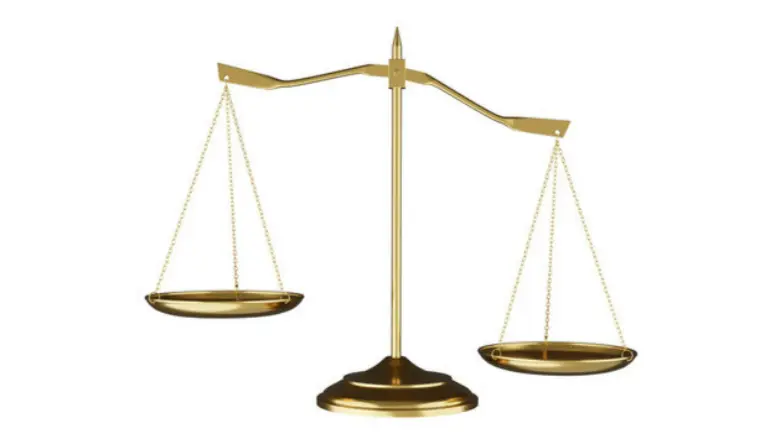
Image: MyJoyOnline
GhanaFront aggregates news from trusted sources. Click to read the original article.
Keywords
Explore related tagsMore from MyJoyOnline
Related Stories
More from Politics

I don't mind being insulted; I have a crocodile skin - President Mahama
Why the President's 'crocodile skin' comment could reshape Ghana's social media rules.
6h ago•2 min read