The economy has drastically improved - Sissala East MP
The Ghanaian political landscape often sees robust debates regarding the state of the nation's economy. Parliamentarians, representing diverse constituencies and political affiliations, frequently engage in discussions about economic performance, stability, and future prospects. These discussions are crucial, as they influence policy decisions, public perception, and ultimately, the well-being of Ghanaian citizens. One such parliamentarian, representing the Sissala East constituency, has recently weighed in on the current economic climate, offering his perspective on the direction the nation is headed. His assessment comes at a time when Ghanaians are keenly observing economic indicators and seeking reassurance about the country's financial trajectory.
Ghana's economic story is a complex tapestry woven with threads of historical challenges, global market influences, and domestic policy choices. The country has, over the decades, navigated periods of significant growth, often fueled by its natural resources like gold, cocoa, and, more recently, oil. However, it has also faced periods of economic hardship, characterized by inflation, currency depreciation, and debt accumulation. These fluctuations have had a direct impact on the lives of ordinary Ghanaians, affecting their purchasing power, access to essential services, and overall standard of living. The current economic discourse is particularly important because Ghana is striving to consolidate its middle-income status and achieve sustainable development goals. The ability to attract foreign investment, manage public debt, and diversify the economy are all critical factors in determining the nation's long-term prosperity. Furthermore, the government's ability to effectively communicate its economic strategy and build public trust is essential for maintaining social cohesion and political stability.
Several key players are involved in shaping Ghana's economic narrative. The Ministry of Finance plays a central role in formulating and implementing fiscal policies, while the Bank of Ghana is responsible for maintaining monetary stability and regulating the financial sector. Parliamentarians, like the MP for Sissala East, contribute to the debate by scrutinizing government policies and advocating for the interests of their constituents. Business leaders, economists, and civil society organizations also play a vital role in shaping public discourse and holding the government accountable. Tensions often arise between different stakeholders, particularly when there are disagreements about the effectiveness of government policies or the distribution of economic benefits. For instance, debates about taxation, public spending, and trade agreements can be highly contentious, reflecting the diverse interests and perspectives within Ghanaian society. What’s at stake is nothing less than the future prosperity of the nation, and the ability of Ghanaians to achieve a better quality of life.
Several open questions remain regarding Ghana's economic future. How will the government address the challenges of unemployment, particularly among young people? What strategies will be employed to diversify the economy and reduce reliance on primary commodities? How will Ghana navigate the complexities of global trade and investment in an increasingly interconnected world? The answers to these questions will shape the country's economic trajectory for years to come. The perspective of the Sissala East MP, along with the views of other stakeholders, will contribute to the ongoing debate and inform policy decisions. The public will be keen to understand the basis for his assessment, the specific indicators he is referencing, and the implications for their daily lives. The interplay of these factors will ultimately determine whether Ghana can achieve its economic aspirations and secure a brighter future for its citizens.
Quick Summary
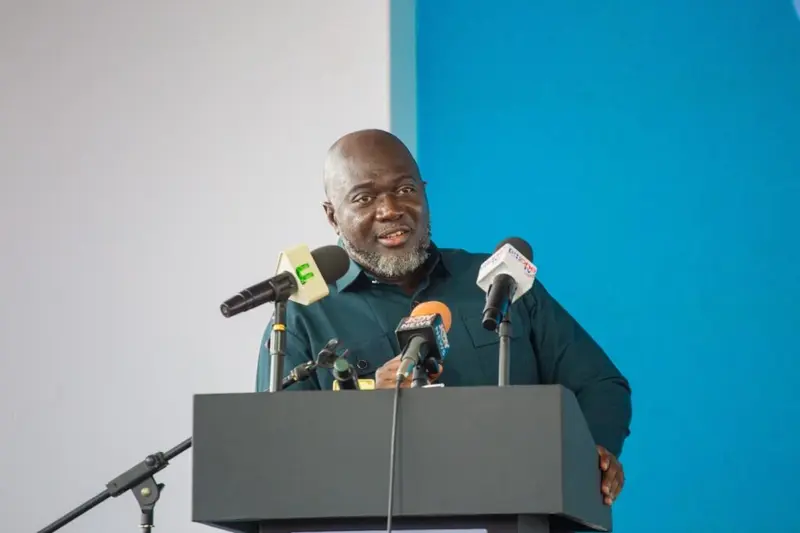
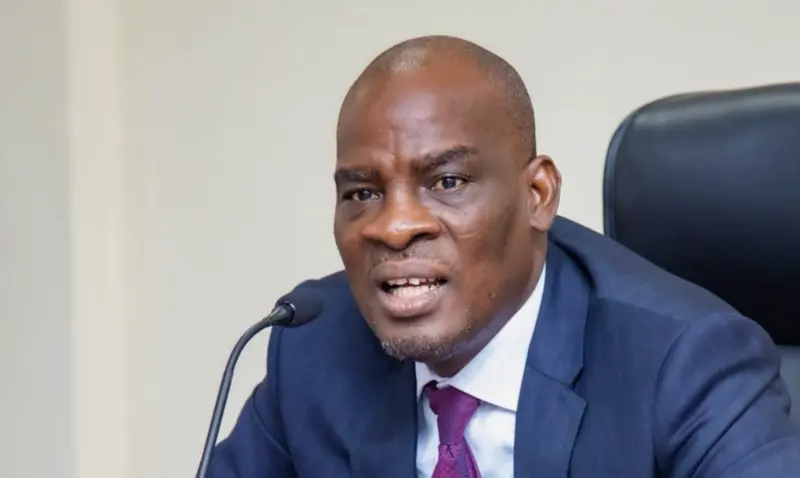
Sissala East MP Mohammed Issah Bataglia discussed the state of Ghana's economy. He highlighted indicators suggesting the economy is on a positive trajectory - but what does this mean for the average Ghanaian?
Summary - read the full story for complete context.
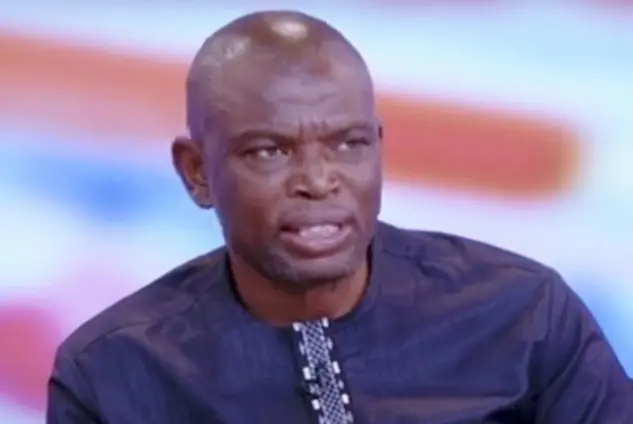
Image: MyJoyOnline
GhanaFront aggregates news from trusted sources. Click to read the original article.
Keywords
Explore related tagsMore from MyJoyOnline
Related Stories
More from Business & Economy
Development expert outlines blueprint to operationalise Ghana's 24-hour economy
Can a new blueprint unlock job creation and transform Ghana's economy amid a youth joblessness crisis?
1d ago•