SSNIT is a 'sure banker' - Deputy D-G
The Social Security and National Insurance Trust (SSNIT) is a recurring feature in Ghanaian public discourse, often sparking debate and discussion. The organization, responsible for managing the retirement funds of millions of Ghanaian workers, frequently engages in public outreach and educational initiatives. These efforts typically involve collaboration with various stakeholders, including labor unions and other worker advocacy groups. These forums provide a platform for dialogue and information sharing, aiming to enhance understanding of the SSNIT scheme and its benefits. The goal is often to encourage participation and ensure that workers are well-informed about their retirement options.
Ghana's pension landscape is a complex one, shaped by a history of economic challenges and evolving social security policies. For decades, SSNIT has been a central pillar of the country's social safety net, providing retirement, invalidity, and survivor benefits to contributors. However, the scheme has faced scrutiny over the years, with concerns raised about investment performance, transparency, and the adequacy of benefits in the face of rising living costs. The informal sector, which employs a significant portion of the Ghanaian workforce, presents a particular challenge for pension coverage. Efforts to expand SSNIT's reach and improve its effectiveness are crucial for ensuring financial security for all Ghanaians in their later years. The topic is especially important in a country where traditional family support systems are gradually eroding due to urbanization and changing social dynamics.
Several key players are involved in shaping the future of Ghana's pension system. SSNIT management, government officials responsible for social security policy, and leaders of organized labor all have a vested interest in ensuring the scheme's sustainability and effectiveness. Tensions can arise between these stakeholders, particularly when it comes to issues such as contribution rates, investment strategies, and benefit levels. The financial security of millions of Ghanaian workers is at stake, making these discussions highly sensitive and politically charged. The perception of SSNIT's performance can significantly impact public trust in the government and its ability to provide for its citizens.
As SSNIT continues its public engagement efforts, several open questions remain. How effective are these outreach programs in reaching and educating workers, particularly those in the informal sector? Are the concerns about investment performance and transparency being adequately addressed? What steps are being taken to ensure the long-term sustainability of the scheme in the face of demographic changes and economic uncertainties? The answers to these questions will be crucial in determining the future of Ghana's pension system and the financial well-being of its citizens.
Quick Summary
SSNIT's Deputy Director-General, Adam Sulley, encouraged all employees to join the scheme. He claims the Trust is making huge investments with progressing assets - but what does this mean for the average Ghanaian worker?
Summary - read the full story for complete context.
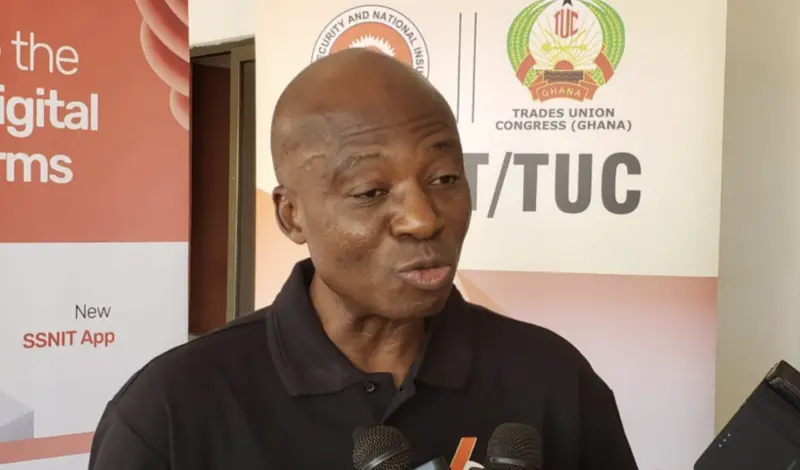
Image: MyJoyOnline
GhanaFront aggregates news from trusted sources. Click to read the original article.
Keywords
Explore related tagsMore from MyJoyOnline
Related Stories
More from Business & Economy

Development expert outlines blueprint to operationalise Ghana's 24-hour economy
Can a new blueprint unlock job creation and transform Ghana's economy amid a youth joblessness crisis?
2d ago•