Second Deputy Governor champions sustainable finance at NGFS Plenary
The global financial landscape is increasingly focused on the intersection of finance and environmental sustainability. International bodies are emerging to guide and coordinate efforts in this complex arena. Within this context, central banks and financial regulators are playing a crucial role in shaping policies and strategies to mitigate climate-related financial risks. In Ghana, a key figure at the Bank of Ghana has been actively involved in these discussions on the international stage, representing the nation's interests and contributing to the global dialogue.
Ghana's economy, heavily reliant on sectors like agriculture and natural resources, is particularly vulnerable to the impacts of climate change. Erratic rainfall patterns, rising temperatures, and increased frequency of extreme weather events pose significant threats to agricultural productivity, infrastructure, and overall economic stability. Recognizing these vulnerabilities, the Bank of Ghana has been gradually incorporating sustainable finance principles into its regulatory framework. This includes exploring ways to incentivize green investments, assess climate-related risks within the financial sector, and promote environmentally responsible lending practices. The move towards sustainable finance also aligns with Ghana's broader national development goals, as outlined in its Nationally Determined Contributions (NDCs) under the Paris Agreement. These commitments aim to reduce greenhouse gas emissions and build resilience to climate change impacts across various sectors. The integration of sustainable finance is therefore not merely an environmental concern, but a strategic imperative for long-term economic prosperity and stability.
The push for sustainable finance in Ghana involves a complex interplay of stakeholders. The Bank of Ghana, as the central bank and financial regulator, plays a pivotal role in setting the regulatory tone and providing guidance to financial institutions. Commercial banks and other financial service providers are tasked with implementing sustainable finance principles in their lending and investment decisions. Civil society organizations and environmental advocacy groups are also actively engaged, advocating for stronger environmental safeguards and promoting responsible business practices. There are inherent tensions in this process, as financial institutions grapple with balancing profitability and environmental considerations, while navigating the complexities of assessing and managing climate-related risks. The government's commitment to sustainable development and its ability to create a supportive policy environment are also crucial factors in driving the adoption of sustainable finance practices across the economy.
As Ghana navigates this evolving landscape, several key questions remain. How effectively can the Bank of Ghana integrate climate-related risks into its supervisory framework without stifling economic growth? What incentives can be implemented to encourage greater investment in green projects and technologies? How can collaboration among African central banks be strengthened to address shared climate challenges and promote regional cooperation on sustainable finance? The answers to these questions will shape the future of Ghana's financial sector and its ability to contribute to global efforts in combating climate change.
Quick Summary
Matilda Asante-Asiedu, Bank of Ghana's Deputy Governor, attended the NGFS Plenary in South Africa. Central banks are increasingly focused on climate-responsive financial systems - but what challenges do they face?
Summary - read the full story for complete context.

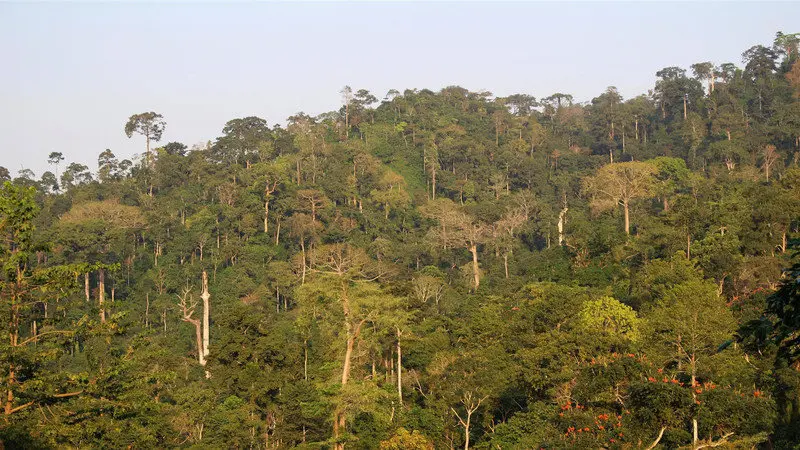
Image: MyJoyOnline
GhanaFront aggregates news from trusted sources. Click to read the original article.
Keywords
Explore related tagsMore from MyJoyOnline
Related Stories
More from Business & Economy
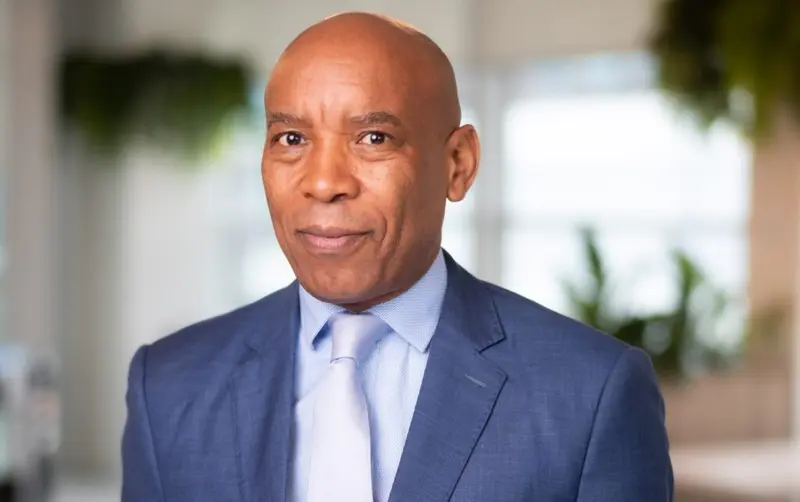
CIMA President Alfred Ramosedi to engage Ghana's finance, business leaders
A top global accountant lands in Ghana - what shift is he bringing to the finance profession?
2d ago•