São Tomé & Príncipe backs Morocco's sovereignty over Sahara, endorses autonomy plan
São Tomé and Príncipe reaffirmed its support for Morocco's sovereignty over the Sahara on Tuesday, April 14, describing the autonomy plan under Moroccan authority as the most viable solution to the long-standing dispute. In a statement, the island nation reiterated its "steadfast position in support of the Moroccanness of the Sahara and of the autonomy plan under Moroccan sovereignty as the only solution to this regional dispute."
Ilza Maria dos Santos Amado Vaz, Minister of State for Foreign Affairs, Cooperation and Communities, restated the position following talks in Rabat with her Moroccan counterpart, Nasser Bourita. She reaffirmed her country's "firm and unwavering position in favour of Morocco's territorial integrity and sovereignty over its entire territory, including the Sahara region." She also expressed full backing for Morocco's autonomy proposal, describing it as "the only credible and realistic solution for resolving this regional dispute."
São Tomé and Príncipe welcomed the adoption of United Nations Security Council Resolution 2797 (2025), noting that it endorses the autonomy plan as "a serious, credible, and sustainable basis" for reaching a political settlement within the framework of Moroccan sovereignty. The country also acknowledged Morocco's development efforts in the southern provinces, citing progress under the New Development Model aimed at promoting stability, security, and regional integration. The reaffirmed stance adds to what officials describe as a growing international consensus in support of Morocco's position, driven by diplomatic efforts led by Mohammed VI.
Quick Summary
São Tomé & Príncipe has expressed its support for Morocco in a dispute over the Sahara. The island nation's leaders met with Moroccan officials to discuss the situation- but what could come from their discussions?
Summary - read the full story for complete context.
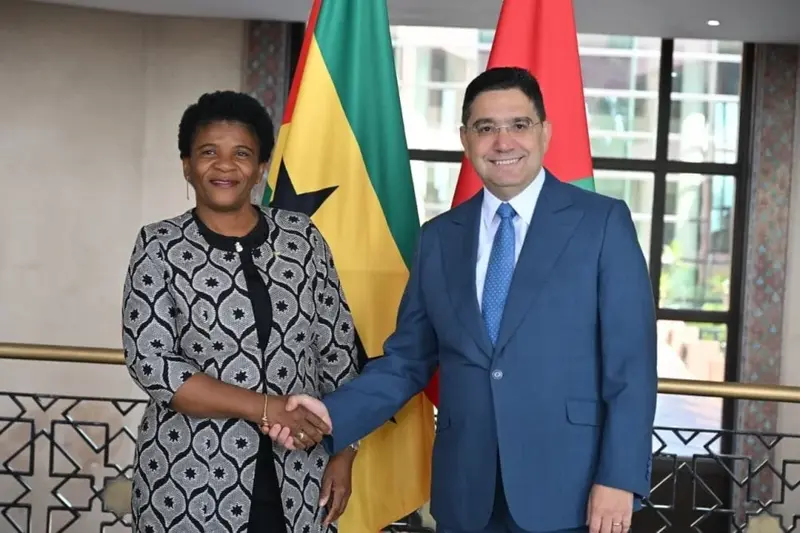
Image: MyJoyOnline
GhanaFront aggregates news from trusted sources. Click to read the original article.
Keywords
Explore related tagsMore from MyJoyOnline
Related Stories
More from Politics
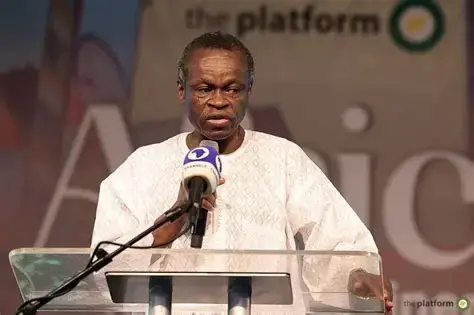
P.L.O Lumumba calls for end to 'primitive accumulation' in public office
What did Lumumba say about Africa's leaders and the 'primitive accumulation' of wealth in public office?
1d ago•3 min read