ROSA Foundation-Africa Supports Akropong School for the Blind with Essential Relief Items
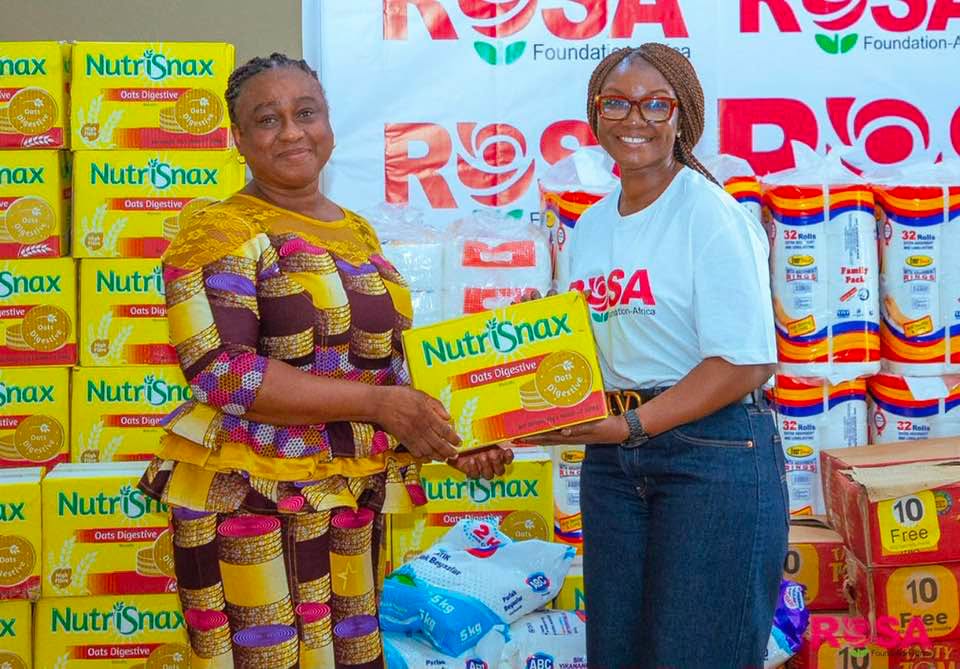
Image: GhanaFront Editorial
In a significant move to support special education in Ghana, the ROSA Foundation-Africa has presented a substantial consignment of food items and essential supplies to the Akropong School for the Blind. The philanthropic gesture forms part of the foundation's annual outreach initiatives, designed to honor the legacy of Roseline Shiata Bawah, the 87-year-old mother of the foundation's promoter, Joyce Bawah Mogtari.
Joyce Bawah Mogtari, who also serves as the Special Aide to former President John Dramani Mahama, led the delegation to the historic institution in the Eastern Region. The donation underscores a growing recognition of the need to supplement government efforts in maintaining specialized educational facilities across the nation. For decades, the Akropong School for the Blind has stood as a beacon of hope for visually impaired students, providing them with the necessary skills and education to navigate a challenging world.
A Commitment to Inclusive Education
The core objective of the ROSA Foundation-Africa's donation is to directly improve the welfare and daily learning environment of visually impaired learners. Ensuring that these students have adequate nutrition and basic supplies is a fundamental step in creating an atmosphere conducive to academic and personal growth.
According to representatives of the Foundation, this initiative is deeply rooted in their overarching commitment to promoting social inclusion. By targeting vulnerable communities, the organization hopes to reinforce the principle that no child should be left behind in the pursuit of education, regardless of their physical challenges. The provision of these items relieves some of the daily operational pressures on the school's administration, allowing educators to focus more intently on their primary mandate of teaching and mentoring.
The Call for Collective Responsibility
During the presentation ceremony at the school premises, Mrs. Bawah Mogtari seized the opportunity to issue a passionate appeal to the broader Ghanaian public. She emphasized that the responsibility of caring for and educating persons with disabilities cannot rest solely on the shoulders of the government.
"Collective efforts are needed to improve the lives of learners with disabilities by expanding access to quality educational resources and facilities."
She specifically called upon individuals, corporate organizations, and fellow philanthropists to adopt a more proactive approach in supporting the Akropong School for the Blind and similar institutions scattered across the country. Such partnerships, she noted, are vital for creating sustainable support systems that can withstand economic fluctuations and ensure consistent care for the students.
Acknowledging Past Interventions and Future Needs
The visit also served as a moment to reflect on significant infrastructural interventions that have previously benefited the institution. Mrs. Bawah Mogtari expressed profound appreciation to former President John Dramani Mahama for his administration's targeted investments in the school.
Key among these historical contributions highlighted during the event were:
- The construction and commissioning of the school's modern Assembly Hall.
- The development of a dedicated Auditorium to facilitate school gatherings and events.
- The introduction of free tertiary education policies specifically tailored for students with disabilities.
While lauding these past achievements, the Special Aide was quick to point out the current realities and the work that remains undone. She noted that although previous interventions have undeniably improved access to basic and higher education, the journey towards full accessibility is far from over.
There remains a critical need to continuously enhance physical accessibility within educational spaces. Furthermore, she highlighted the pressing challenge of providing affordable, specialized educational materials -- such as braille embossers, modern screen-reading software, and tactile learning aids -- which are often prohibitively expensive but absolutely essential for the academic success of visually impaired students.
The broader context of special education in Ghana
The donation by the ROSA Foundation-Africa brings into sharp focus the ongoing dialogue surrounding special needs education in Ghana. Institutions like the Akropong School for the Blind require consistent, targeted funding to meet the unique pedagogical needs of their students. The cost of educating a child with visual impairment is significantly higher than that of their sighted peers, necessitating specialized equipment, highly trained instructors, and adapted living conditions.
Historically, special education in the West African sub-region has faced systemic challenges, primarily revolving around resource allocation and societal stigma. However, the narrative is gradually shifting. Interventions from non-governmental organizations and private foundations have become the critical bridge connecting government policy with on-the-ground reality. The ROSA Foundation-Africa's targeted approach demonstrates a clear understanding that true equity in education demands unequal resources -- providing more to those who start with less to level the playing field.
When organizations step in to bridge the resource gap, it not only addresses immediate material needs but also sends a powerful psychological message to the students. It reassures them that they are valued members of society whose futures are worth investing in. For a young student navigating the complexities of learning without sight, knowing that external entities care enough to provide high-quality food and essential daily supplies can be profoundly motivating.
The continuous advocacy by figures like Joyce Bawah Mogtari helps to keep the spotlight on these critical issues, prompting policy discussions and encouraging a culture of empathy and tangible support. By linking the donation to the honoring of a respected elder -- her 87-year-old mother, Roseline Shiata Bawah -- the foundation also grounds its philanthropy in traditional Ghanaian values of respect, care, and intergenerational responsibility.
Looking forward: sustaining the momentum
As the ROSA Foundation-Africa concludes this year's outreach, the immediate impact of their contribution will resonate deeply within the walls of the Akropong School for the Blind. The supplies will ease the logistical burden on the school's management and directly benefit the students' daily lives.
However, the true measure of success for such initiatives will be whether this act of generosity inspires a broader wave of sustained corporate and individual sponsorships. The challenges facing special education cannot be solved by a single donation or a single foundation. It requires a coalition of willing partners dedicated to the long-term sustainability of Ghana's specialized institutions.
Moving forward, there must be a concerted effort to move beyond occasional charity to structured, sustainable support systems. This includes creating endowment funds for special schools, facilitating corporate mentorship programs for students with disabilities, and continuously updating the national policy framework to reflect modern advancements in assistive technologies.
Only through such comprehensive and united efforts can the nation ensure that institutions like the Akropong School for the Blind are fully equipped to empower the next generation of leaders, ensuring that their physical challenges do not dictate their intellectual and professional horizons.
More from GhanaFront Editorial
Related Stories
More from Education
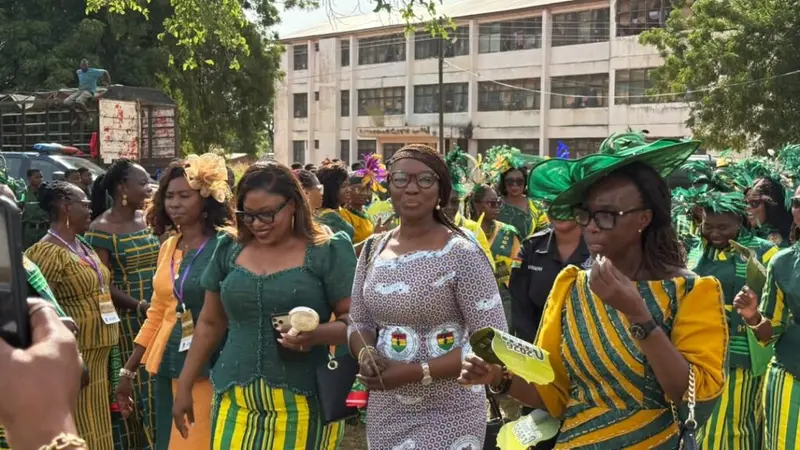
Assisi Girls SHS launches 70th anniversary as Joyce Bawah Mogtari, stakeholders champion girl-child education
A prestigious girls' school marks a milestone, but urgent needs loom - what will it take to secure its next chapter?
8h ago•4 min read
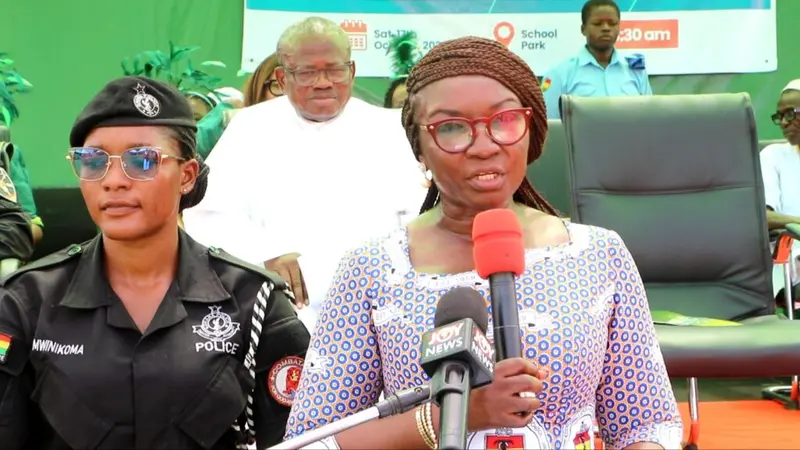
Joyce Bawah Mogtari shares O-Level setback and success story at Assisi Girls SHS anniversary
A presidential aide returns to the school that gave her a second chance - but what did she reveal about her path to success?
12h ago•4 min read

No more cover-ups - Zonta demands action against sexual abuse in schools
A major demand has been made to Ghana's education ministry - but will it lead to real change?
1d ago•2 min read

Fanaka International University & GISI sign MoU to enhance professional capital market training
A new university-industry partnership could reshape how Ghana's future finance professionals are trained.
1d ago•2 min read