Registration of religious bodies meant for data, not control - Ahmed Ibrahim
Ghana's vibrant religious landscape is a defining characteristic of the nation, with a multitude of denominations and faiths coexisting peacefully. The role of religious organizations extends far beyond spiritual guidance, impacting social welfare, education, and even economic development. Recently, discussions have emerged regarding the formalization of the relationship between the government and these religious bodies, sparking a national conversation about the balance between state oversight and religious freedom. A prominent figure within the Ministry responsible for religious affairs has been at the forefront of these discussions, seeking to clarify the government's intentions and address concerns voiced by various stakeholders. The individual's background in local governance and chieftaincy affairs brings a unique perspective to the complexities of navigating religious sensitivities within the Ghanaian context.
Understanding the current debate requires a look back at Ghana's history. The proliferation of churches, particularly charismatic and Pentecostal denominations, has been a significant trend over the past few decades. These churches often wield considerable influence within their communities, providing not only spiritual guidance but also social services that sometimes fill gaps left by the state. Historically, the relationship between the government and religious organizations has been largely hands-off, with a strong emphasis on religious freedom enshrined in the constitution. However, concerns have occasionally been raised about the financial activities of some religious bodies, as well as the potential for exploitation of vulnerable populations. This has led to calls for greater accountability and transparency, but any attempt to regulate religious activities is met with caution, given the deep-seated respect for religious autonomy in Ghana. The topic is particularly sensitive because of past experiences where political instability created an atmosphere of distrust between religious organizations and the government.
The key players in this unfolding narrative include religious leaders from various denominations, civil society organizations advocating for religious freedom, and government officials tasked with ensuring regulatory compliance. Tensions arise from the inherent conflict between the state's desire to promote good governance and the religious community's desire to maintain its independence. What's at stake is the delicate balance between these two principles. If the government is perceived as overreaching, it could alienate a significant portion of the population and undermine the trust that has been built over years of peaceful coexistence. On the other hand, a lack of oversight could lead to abuses and exploitation, eroding public confidence in religious institutions. The legacy of past leaders, including former presidents, continues to shape the discourse, with their perspectives on the role of religious bodies in national life still resonating with many Ghanaians.
Several open questions remain that will likely drive public interest in this matter. How will the government ensure that the registration process is truly transparent and does not discriminate against any particular religious group? What specific measures will be put in place to protect the privacy of religious organizations and their members? Will the government provide adequate resources and training to ensure that the registration process is carried out efficiently and effectively? How will the government address concerns about the potential for corruption or abuse of power in the registration process? And ultimately, how will the government strike a balance between promoting accountability and preserving the fundamental right to religious freedom, a cornerstone of Ghana's democratic society?
Quick Summary
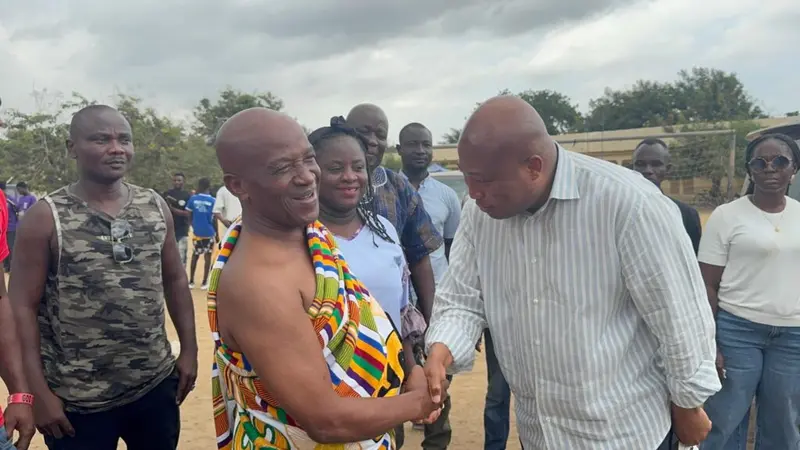
Ahmed Ibrahim, Minister for Local Government, Chieftaincy and Religious Affairs, is addressing concerns about the registration of religious bodies. The minister clarifies the government's intentions- emphasizing the importance of understanding Ghana's religious landscape.
Summary - read the full story for complete context.
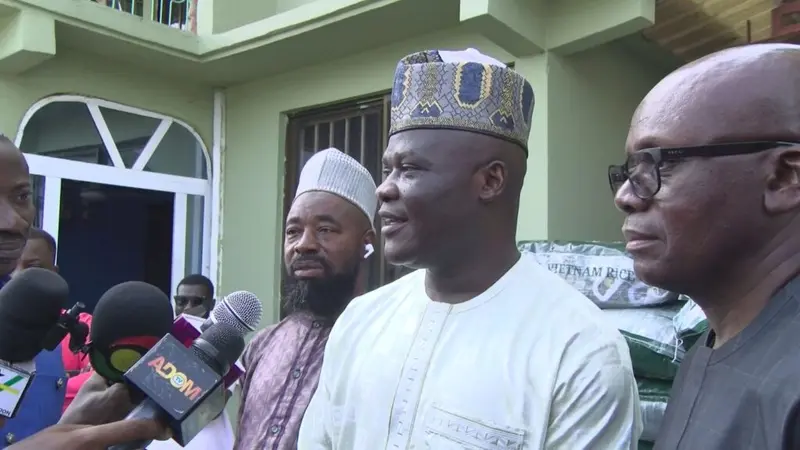
Image: Adom Online
GhanaFront aggregates news from trusted sources. Click to read the original article.
Keywords
Explore related tagsMore from Adom Online
Related Stories
More from Politics
Ayine renews call for GBA to stay clear of partisan politics
Why is the Attorney General warning the Bar Association about political ties - and what does it mean for its credibility?
1d ago•2 min read