Power outages hit Eastern Region after Saturday rainstorm
The Eastern Region of Ghana, known for its lush landscapes and vital agricultural contributions, often finds itself at the mercy of the elements. Its communities, from bustling towns to remote farming villages, depend heavily on a reliable power supply for everything from household needs to supporting local industries. The Electricity Company of Ghana (ECG), the nation's primary electricity distributor, faces a constant balancing act - providing consistent service while grappling with aging infrastructure and the unpredictable nature of Ghana's weather patterns.
Ghana's energy sector has been a focal point of national development for decades. The country has made significant strides in expanding access to electricity, particularly in rural areas, but challenges persist. The reliance on hydroelectric power, while environmentally sound, makes the nation vulnerable to droughts and fluctuating water levels. Furthermore, the transmission and distribution network, much of which was built decades ago, requires constant maintenance and upgrades to prevent outages and ensure efficient delivery of power. The government has been actively pursuing diversification of energy sources, including solar and natural gas, to bolster energy security and reduce dependence on rainfall. The ECG, meanwhile, is under increasing pressure to improve service delivery, reduce losses, and enhance its responsiveness to customer needs. Public trust in the company is often tested during periods of widespread outages, highlighting the importance of effective communication and swift action.
Several key players are involved in ensuring a stable power supply to the Eastern Region and the nation as a whole. The Ministry of Energy sets the overall policy direction for the sector, while the Public Utilities Regulatory Commission (PURC) oversees tariffs and service standards. Independent power producers (IPPs) contribute to the national grid, and local communities often play a role in monitoring and reporting issues related to power infrastructure. Tensions can arise between these stakeholders, particularly when it comes to pricing, investment decisions, and the allocation of resources. The stakes are high, as reliable electricity is crucial for economic growth, social development, and the overall well-being of Ghanaians. Businesses depend on it to operate efficiently, hospitals need it to provide critical care, and schools require it to facilitate learning. Any disruption to the power supply can have cascading effects, impacting livelihoods and hindering progress.
The immediate questions revolve around the extent of the damage to the power infrastructure in the Eastern Region, the speed at which repairs can be completed, and the measures being taken to prevent similar incidents in the future. Will the ECG be able to meet its restoration targets? What resources are being mobilized to address the situation? How will the company communicate with affected communities and provide updates on the progress of repairs? And perhaps most importantly, what long-term strategies are being implemented to strengthen the resilience of the power network against extreme weather events? The answers to these questions will determine the impact of this event on the lives of residents in the Eastern Region and shape the broader conversation about the future of Ghana's energy sector.
Quick Summary
A rainstorm swept through Ghana's Eastern Region, impacting residents and businesses. The Electricity Company of Ghana (ECG) is responding to network disruptions - but what challenges do they face?
Summary - read the full story for complete context.
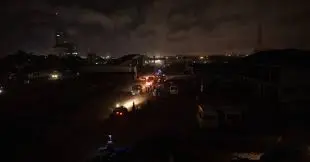
Image: Adom Online
GhanaFront aggregates news from trusted sources. Click to read the original article.
Keywords
Explore related tagsMore from Adom Online
Related Stories
More from Regional

What was your crime? - Father grieves over late Ivan Baidoo
A father's grief turns to fury at his son's funeral - but what exactly happened on the motorway that day?
19h ago•2 min read