Parliament passes Growth and Sustainability Levy
The Ghanaian Parliament, a body often at the center of heated debates and crucial decisions, has once again found itself grappling with the complexities of the nation's economic landscape. The discussions often involve key figures from both sides of the aisle, individuals deeply invested in shaping Ghana's financial future. The Ministry of Finance, tasked with steering the ship of the national economy, frequently presents proposals aimed at optimizing revenue generation and fostering sustainable growth. Meanwhile, voices from the Minority caucus, representing a diverse range of constituencies, often raise concerns and offer alternative perspectives, ensuring a robust and thorough examination of any proposed legislation. These deliberations, often intense and politically charged, reflect the ongoing efforts to balance the needs of various sectors and stakeholders within the country.
Ghana's mining sector has long been a cornerstone of its economy, contributing significantly to export earnings and employment. However, the industry is also subject to global commodity price fluctuations, which can impact profitability and government revenue. Over the years, successive governments have sought to create a regulatory framework that balances the need to attract foreign investment with the desire to maximize the benefits accruing to the Ghanaian people. This has led to the implementation of various tax regimes and royalty structures, each with its own set of advantages and disadvantages. The ongoing debate surrounding these policies reflects the inherent tension between promoting economic growth and ensuring equitable distribution of resources. Moreover, the global trend towards sustainable mining practices and responsible resource management adds another layer of complexity to the equation, requiring policymakers to consider the environmental and social impacts of mining operations.
The key players in this scenario include not only government officials and parliamentarians but also representatives from mining companies, industry associations, and civil society organizations. Each of these groups has a vested interest in the outcome of policy decisions related to the mining sector. Mining companies, naturally, seek to maximize their profits and minimize their tax burden, while the government aims to secure a fair share of the revenue generated from mineral resources. Civil society organizations, on the other hand, often advocate for greater transparency and accountability in the mining sector, as well as measures to protect the environment and the rights of local communities. The tensions between these competing interests can be significant, leading to protracted negotiations and sometimes even legal challenges. The stakes are high, as the decisions made today will have a lasting impact on Ghana's economic development and its ability to achieve its sustainable development goals.
Several open questions remain regarding the long-term implications of any changes to the existing fiscal regime governing the mining sector. Will the proposed adjustments effectively cushion mining firms against the volatility of global commodity prices, or will they have unintended consequences on government revenue? How will these changes impact investment decisions and job creation in the mining sector? Will the new policies strike the right balance between attracting foreign investment and ensuring that Ghana receives a fair share of the benefits from its mineral resources? These are just some of the questions that Ghanaians are asking as they closely follow the ongoing debate surrounding the future of the mining sector. The answers to these questions will undoubtedly shape the trajectory of Ghana's economy for years to come.
Quick Summary
Ghana's Parliament has passed the Growth and Sustainability Levy, impacting the mining sector. This decision comes amid discussions about royalties and the financial implications for mining companies - but what does it all mean?
Summary - read the full story for complete context.
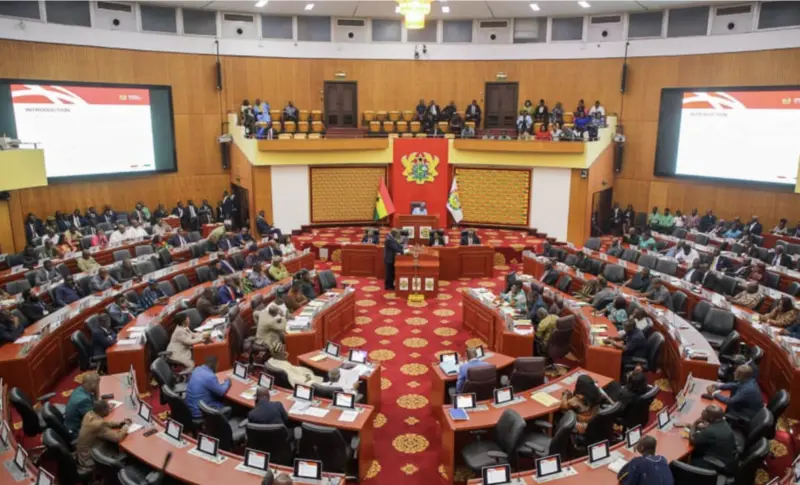
Image: MyJoyOnline
Also covered by
GhanaFront aggregates news from trusted sources. Click to read the original article.
Keywords
Explore related tagsMore from MyJoyOnline
Related Stories
More from Business & Economy

COPEC calls for GH¢1 petrol, continuation of GH¢2 diesel subsidy amid price surge
Will the government heed COPEC's call for fuel subsidies as prices surge?
2d ago•