'Only a fool would use my picture for healing' - Prophet Kofi Oduro
Ghanaian religious leaders often occupy a unique space within the country's social fabric. They are not merely spiritual guides, but also wield considerable influence in matters of health, politics, and economic well-being. This influence stems from a deep-seated belief in the power of faith and divine intervention, a belief that permeates many aspects of Ghanaian life. The relationship between religious leaders and their congregations is often characterized by a strong sense of trust and reverence, with followers seeking guidance and solutions to their problems through prayer, spiritual practices, and the counsel of their pastors. This environment has, over time, created a dynamic where the pronouncements and actions of these leaders carry significant weight, shaping public opinion and influencing individual choices.
Ghana's healthcare landscape is a complex mix of traditional beliefs and modern medicine. While access to healthcare services has improved in recent years, challenges remain, particularly in rural areas. Many Ghanaians, even those with access to modern medicine, often turn to faith-based healing practices alongside or instead of conventional medical treatments. This is rooted in a cultural understanding of illness that often attributes ailments to spiritual causes, such as curses or demonic influences. The rise of charismatic churches and Pentecostal movements in Ghana has further amplified the role of faith in healthcare decisions. These churches often emphasize the power of prayer, divine healing, and the intervention of God in overcoming sickness and disease. This creates a tension between the promotion of modern medical practices by the government and healthcare professionals, and the reliance on faith-based healing by a significant portion of the population. The debate about the appropriate role of faith in healthcare is ongoing and touches upon issues of access, affordability, and cultural beliefs.
The intersection of religion and health in Ghana involves several key players. Prominent religious leaders, healthcare professionals, government officials, and individual citizens all have a stake in shaping the discourse and influencing practices. Tensions can arise when the teachings or practices of certain religious leaders appear to contradict established medical advice or promote potentially harmful alternatives. The government faces the challenge of balancing religious freedom with the need to protect public health and ensure that citizens have access to accurate and reliable healthcare information. Individual citizens, caught between their faith and the advice of medical professionals, must navigate these complexities and make decisions that align with their beliefs and values. The stakes are high, as choices made in this context can have profound consequences for individual well-being and public health outcomes.
Several open questions remain regarding the role of religious leaders in healthcare. How do religious leaders perceive their role in addressing the health needs of their congregations? What are the ethical considerations involved when religious leaders offer health advice or promote specific healing practices? How can the government and healthcare professionals effectively engage with religious communities to promote health literacy and encourage the use of evidence-based medical treatments? What are the potential risks and benefits of integrating faith-based approaches into the healthcare system? The answers to these questions will shape the future of healthcare in Ghana and determine the extent to which faith and medicine can coexist and complement each other in promoting the health and well-being of the nation.
Quick Summary
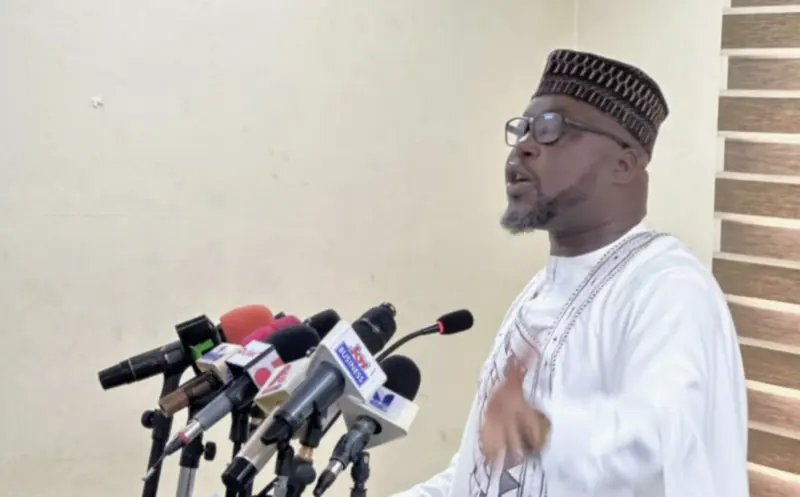
Prophet Kofi Oduro, Senior Pastor of Alabaster International Ministry, addressed his congregation about seeking divine healing. He shared his personal views on faith and healthcare - leaving many to ponder his message.
Summary - read the full story for complete context.
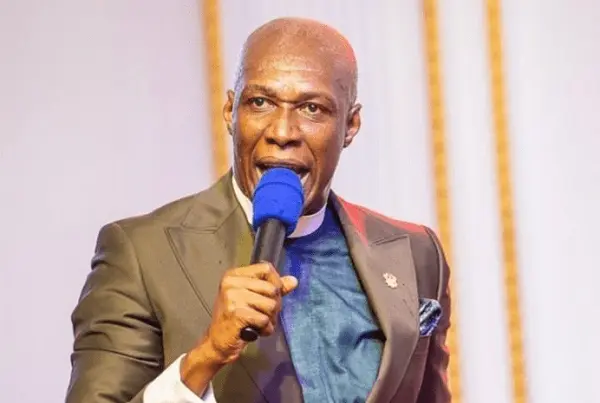
Image: GhanaWeb
GhanaFront aggregates news from trusted sources. Click to read the original article.
Keywords
Explore related tagsMore from GhanaWeb
Related Stories
More from Health
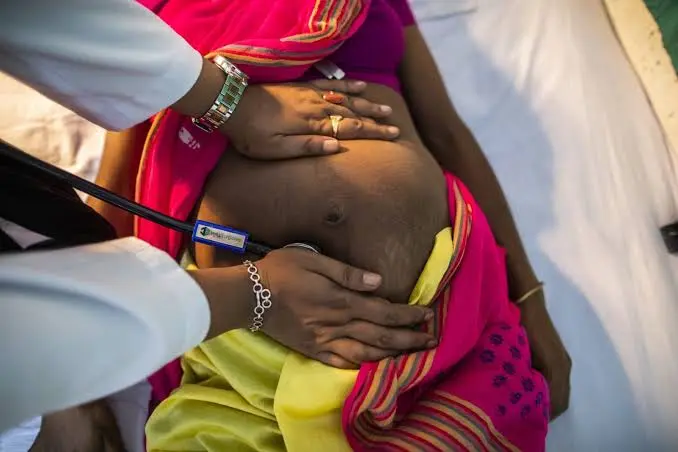
UNFPA calls for presidential intervention as maternal deaths reach crisis levels
Eight women die daily in Ghana from childbirth - why is this crisis going unnoticed, and what will it take to stop it?
1d ago•