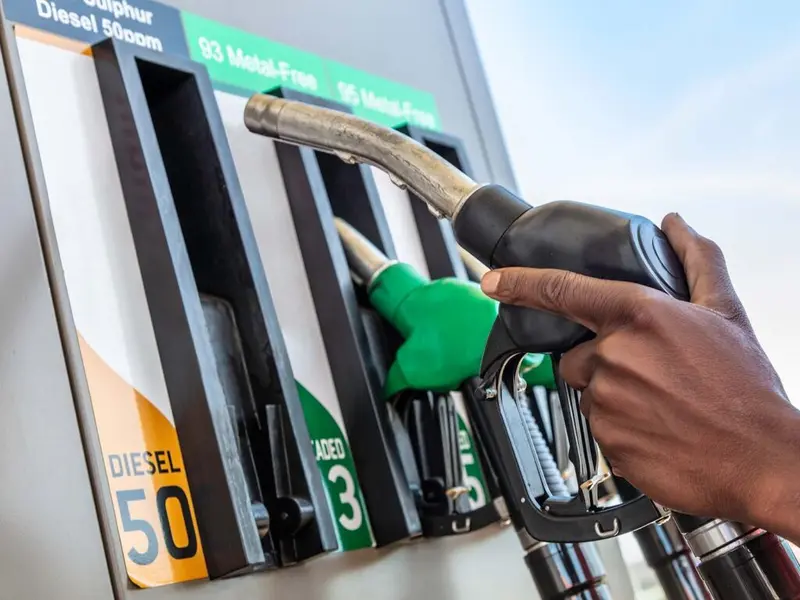
OMCs price war intensifies; GOIL reduces petrol to GH¢12.40, diesel going for GH¢14.98
The Setup: Ghana's petroleum market is a dynamic space, often subject to fluctuations driven by global events and local economic policies. Oil marketing companies (OMCs) play a crucial role in distributing fuel across the nation, and their pricing strategies directly impact consumers and businesses alike. Recent activity within this sector has caught the attention of industry observers and the general public, sparking conversations about competition, market dynamics, and the factors influencing the cost of fuel at the pump.
Context: The price of fuel in Ghana is a sensitive issue, deeply intertwined with the daily lives of citizens and the overall economy. Historically, fuel price adjustments have been a source of public debate, often triggering discussions about the effectiveness of government policies and the role of OMCs. Ghana's reliance on imported petroleum products makes it vulnerable to global price volatility, particularly in times of geopolitical instability. The interplay between international market forces, government regulations, and the competitive strategies of OMCs shapes the landscape of fuel pricing in the country. Furthermore, the purchasing power of the average Ghanaian consumer is a key consideration, making affordability a central concern in the ongoing dialogue surrounding fuel prices. The actions of the President can also play a significant role in the market.
Stakes: The key players in this scenario are undoubtedly the OMCs, particularly GOIL and Star Oil, two of the largest and most influential firms in the industry. Their decisions regarding pricing have ripple effects throughout the market, influencing the behavior of smaller players and ultimately impacting consumers. The tension lies in the constant balancing act between maintaining profitability, attracting customers, and responding to market pressures. The stakes are high, as market share and brand loyalty are fiercely contested. The outcome of this competitive environment will determine which companies thrive and which struggle to maintain their position. Beyond the corporate level, the broader implications extend to the Ghanaian economy, where fuel prices influence transportation costs, inflation, and overall economic activity.
What to Watch: Several open questions remain that will likely shape the future of Ghana's petroleum market. Will this apparent competitive pressure continue, and what strategies will other OMCs employ in response? How will consumer behavior shift in light of these price adjustments? To what extent will government policies influence the pricing decisions of OMCs in the coming weeks and months? What other service offerings will the two players move to compete on? And, crucially, how will these developments impact the average Ghanaian consumer who relies on affordable fuel for their daily lives and livelihoods? The answers to these questions will determine the long-term effects of the current market dynamics and the future of fuel pricing in Ghana.
Quick Summary
GOIL and Star Oil are locked in what some are calling a price war- much to the delight of consumers. The reductions come amidst President Mahama's efforts to ease economic pressures- but could there be more than meets the eye?
Summary - read the full story for complete context.
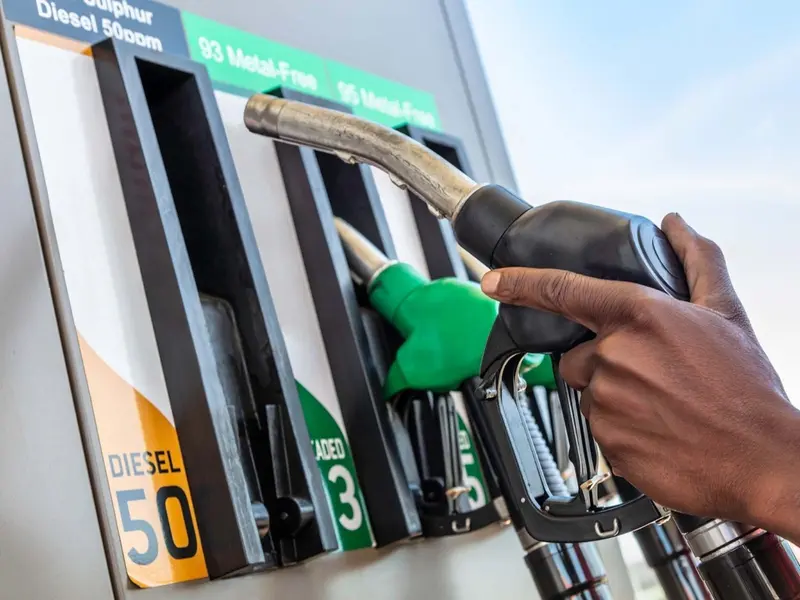
Image: MyJoyOnline
Also covered by
GhanaFront aggregates news from trusted sources. Click to read the original article.
Keywords
Explore related tagsMore from MyJoyOnline
Related Stories
More from Business & Economy

COPEC calls for GH¢1 petrol, continuation of GH¢2 diesel subsidy amid price surge
Will the government heed COPEC's call for fuel subsidies as prices surge?
2d ago•