OMCs begin fuel price increases; Star Oil sells petrol at GH¢12.49
The Setup: The energy sector in Ghana is a complex web of international markets, domestic policy, and the daily lives of ordinary citizens. Oil Marketing Companies (OMCs) operate at the crucial intersection of these forces, navigating global price fluctuations and local economic realities to deliver fuel to the nation. These companies, both large and small, play a vital role in ensuring the smooth functioning of Ghana's economy, from transportation and industry to power generation and agriculture. Their decisions regarding pricing are always under scrutiny, impacting everything from the cost of transportation to the price of food on the market. The interplay between these OMCs, regulatory bodies, and the Ghanaian consumer is a constant negotiation, shaped by factors both within and beyond Ghana's borders.
Context: Ghana's relationship with fuel prices is deeply intertwined with its economic history and development. The nation's reliance on imported petroleum products makes it vulnerable to global market volatility. Fluctuations in crude oil prices, geopolitical tensions, and exchange rate dynamics all have a direct impact on the cost of fuel at the pumps. This, in turn, affects inflation, transportation costs, and the overall cost of living for Ghanaians. Historically, the government has played a significant role in regulating the petroleum sector, but recent years have seen a gradual move towards deregulation, allowing market forces to play a greater role in price determination. This shift has brought both opportunities and challenges, as OMCs navigate the complexities of a more competitive market while also facing public pressure to keep prices affordable. The trend toward deregulation has also sparked debate about the role of the state in ensuring energy security and protecting consumers from price shocks. The performance of the cedi against major currencies is another critical factor, as a weaker cedi increases the cost of importing fuel, further exacerbating price pressures.
Stakes: Several key players are involved in this ongoing drama. The OMCs themselves, including major players like GOIL and Star Oil, are at the forefront, making decisions that directly affect consumers. The Chamber of Oil Marketing Companies (COMAC) acts as a representative body, advocating for the interests of its members and providing data and analysis on market trends. The National Petroleum Authority (NPA) is the regulatory body responsible for overseeing the petroleum sector, ensuring compliance with regulations and protecting consumer interests. The Ghanaian consumer is the ultimate stakeholder, bearing the brunt of price increases and demanding affordable and reliable access to fuel. Tensions often arise between these players, as OMCs seek to maximize profits while consumers demand lower prices, and the government attempts to balance competing interests. The stakes are high, as fuel price increases can have a ripple effect throughout the economy, impacting everything from small businesses to large industries. The stability of the cedi and global crude oil prices add further layers of complexity to this already intricate situation.
What to Watch: Several key questions remain unanswered. How will other OMCs respond to the pricing adjustments made by Star Oil and GOIL? Will the projected price hikes materialize, or will market forces mitigate the impact? What role will the cedi play in shaping future price movements? How will consumers react to these changes, and what impact will they have on the broader economy? The answers to these questions will determine the trajectory of fuel prices in Ghana in the coming weeks and months. Industry analysts and the public alike will be closely watching the actions of OMCs, the performance of the cedi, and developments in the global oil market to understand the full implications of these recent developments. The original article provides specific details about the initial price adjustments and the factors driving them, offering valuable insights into the complex dynamics of Ghana's petroleum sector.
Quick Summary
Oil Marketing Companies (OMCs) in Ghana are beginning to adjust fuel prices at the pumps. Industry experts cite global crude oil prices and geopolitical tensions - but what impact will this have on consumers?
Summary - read the full story for complete context.
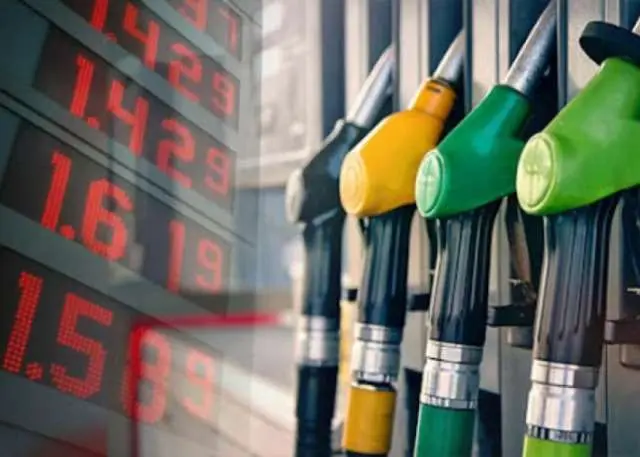
Image: MyJoyOnline
Also covered by
GhanaFront aggregates news from trusted sources. Click to read the original article.
Keywords
Explore related tagsMore from MyJoyOnline
Related Stories
More from Business & Economy

Development expert outlines blueprint to operationalise Ghana's 24-hour economy
Can a new blueprint unlock job creation and transform Ghana's economy amid a youth joblessness crisis?
2d ago•