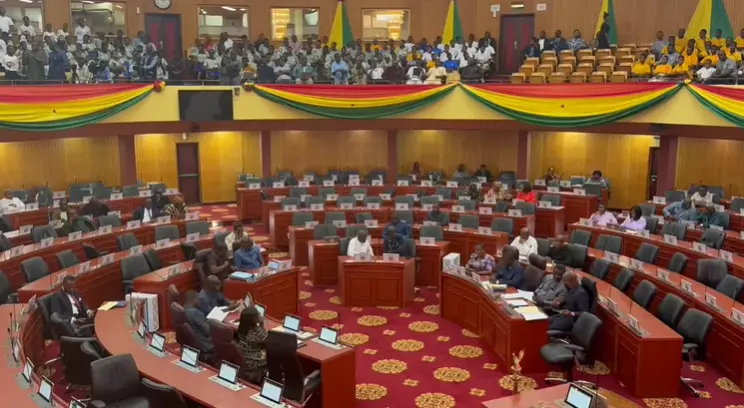
'NPP would win Majority in Parliament if elections were held today' - Afenyo-Markin
The political landscape in Ghana is constantly shifting, with various figures and parties vying for influence and public support. Recent discussions have centered on the potential outcome of future parliamentary elections, sparking debate and analysis across the country. At the heart of these conversations is the role of key political figures, their strategies, and the prevailing sentiments of the Ghanaian electorate. The interplay between the ruling party and the opposition, coupled with the promises and policies they present, significantly shapes public opinion and ultimately determines the composition of Parliament.
Ghana's political history is marked by periods of both stability and transition, with the New Patriotic Party (NPP) and the National Democratic Congress (NDC) emerging as the dominant forces. The two parties have alternated in power, each bringing its own distinct approach to governance and development. The NPP, traditionally associated with liberal economic policies and a focus on private sector growth, has often emphasized fiscal discipline and infrastructure development. The NDC, on the other hand, tends to prioritize social welfare programs and a more interventionist role for the state in the economy. Understanding these historical trends is crucial for interpreting current political pronouncements and assessing the potential impact of various policy proposals. The Ghanaian electorate is increasingly discerning, demanding accountability and tangible results from their elected officials. Issues such as unemployment, corruption, and access to quality education and healthcare consistently rank high on the list of voter concerns.
The current political climate is characterized by a delicate balance of power, with both the NPP and NDC actively seeking to consolidate their support base and win over undecided voters. Key figures within each party play a crucial role in shaping public discourse and influencing electoral outcomes. The dynamics within Parliament, particularly the relationship between the Majority and Minority leaders, are essential for effective governance and legislative progress. Tensions often arise from differing ideological perspectives and competing policy priorities, leading to heated debates and political maneuvering. The stakes are high, as the outcome of future elections will determine the direction of the country's development and the well-being of its citizens. The promises made by political parties, particularly concerning job creation and economic opportunities, are under intense scrutiny, with the electorate demanding concrete plans and realistic timelines.
Several open questions remain regarding the future of Ghanaian politics. How will the NPP navigate the challenges of governing in a complex economic environment? Can the NDC effectively capitalize on public dissatisfaction and present a compelling alternative vision? What role will smaller political parties and independent candidates play in shaping the political landscape? How will the electorate respond to the various campaign messages and policy proposals presented by the different parties? These are the questions driving political discourse and shaping the narratives that will ultimately influence the outcome of future elections. The ability of political leaders to address these questions effectively and connect with the concerns of the Ghanaian people will be crucial for their success.
Quick Summary
Afenyo-Markin addressed party members regarding the NPP's chances in upcoming elections. He also criticized the NDC, accusing them of misleading Ghanaians- but what exactly did he say about their policies?
Summary - read the full story for complete context.
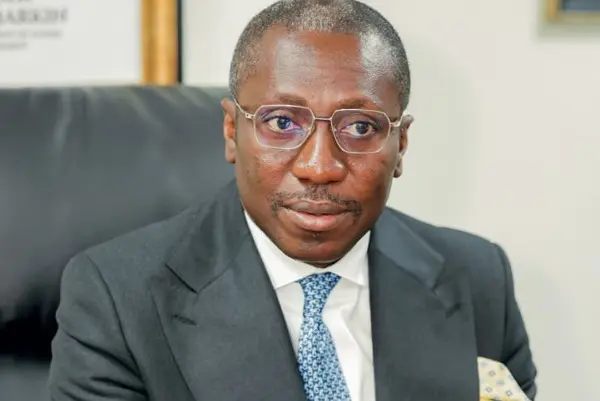
Image: GhanaWeb
GhanaFront aggregates news from trusted sources. Click to read the original article.
Keywords
Explore related tagsMore from GhanaWeb
Related Stories
More from Politics
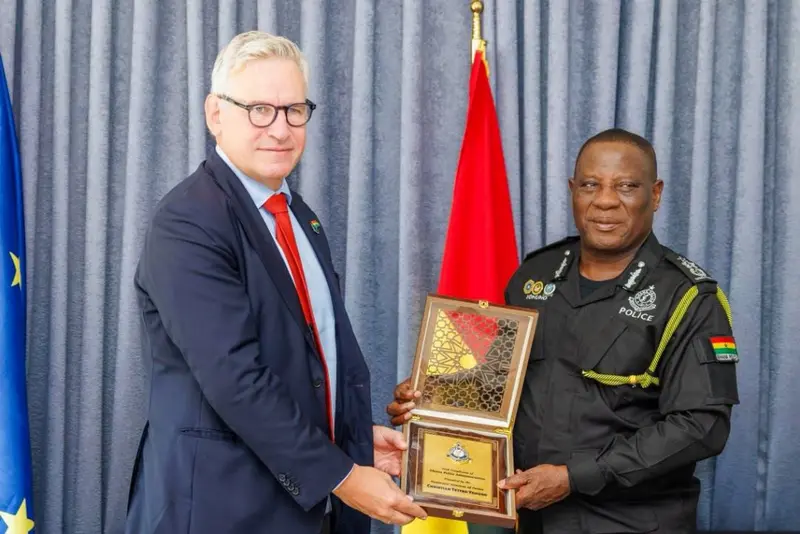
Defence Committee to haul CID boss before Parliament over social media cases - Ntim Fordjour
Why is Parliament hauling the CID boss before the Committee over social media cases?
5d ago•