No conclusion for fare increment yet-GPRTU
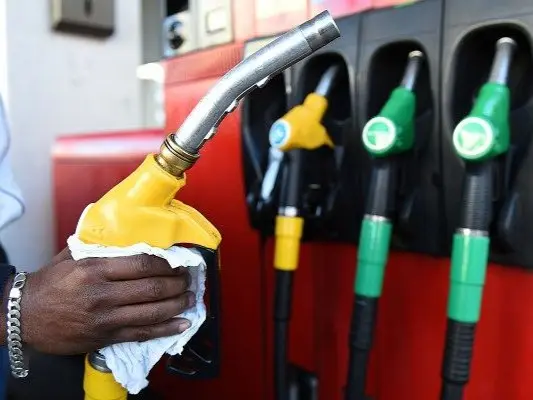
The Ghana Private Roads and Transport Union (GPRTU) finds itself at the center of a national conversation, a familiar position for an organization that impacts the daily lives of countless Ghanaians. Fuel prices have been a recurring point of contention in Ghana, often triggering ripple effects throughout the economy. The recent adjustments at the pumps have once again brought the issue to the forefront, placing pressure on transport operators and, by extension, commuters. Samuel Amoah, a key voice within the GPRTU, is navigating these turbulent waters, tasked with communicating the union's position amidst growing anxieties.
Ghana's transport sector is a vital artery, connecting communities and facilitating economic activity. The GPRTU, as a major player in this sector, wields considerable influence. Historically, transport fare adjustments have been sensitive matters, requiring careful consideration of various factors. Fuel prices, of course, play a significant role, but so do vehicle maintenance costs, spare parts prices, and the overall economic climate. The union's approach typically involves a meticulous assessment of these components, often relying on a technical team to provide data-driven insights. This process is crucial for ensuring that any fare adjustments are both justified and sustainable, balancing the needs of transport operators with the affordability concerns of the general public. The trend of rising fuel costs, coupled with the increasing cost of living, has amplified the pressure on the GPRTU to find a viable solution.
The key players in this scenario include not only the GPRTU leadership and its technical advisors but also the drivers themselves, who bear the brunt of operational costs, and the commuters who rely on affordable transportation. Tensions often arise when drivers feel their livelihoods are threatened by rising expenses, leading to calls for immediate fare increases. However, the GPRTU must also consider the potential impact on the wider population, particularly low-income earners who depend on public transport for their daily commutes. The stakes are high, as any decision regarding transport fares can have significant economic and social consequences. A miscalculated adjustment could lead to public outcry or even disrupt transportation services, further exacerbating economic hardship. Star Oil and GOIL, as major players in the petroleum industry, are also indirectly involved, as their pricing decisions influence the overall cost structure for transport operators.
The immediate future hinges on the outcome of the GPRTU's internal deliberations. Will the technical team's assessment support the drivers' demands for a fare increase? What specific factors will the union prioritize in its decision-making process? How will the GPRTU balance the competing interests of its members and the general public? These are the questions that Ghanaians are anxiously awaiting answers to. The meeting with the technical team represents a crucial step in this process, and its outcome will likely shape the direction of transport fares in the coming weeks. The public's attention is now focused on the GPRTU, as the union navigates this complex challenge and seeks to find a solution that is both fair and sustainable.
Quick Summary
The Ghana Private Roads and Transport Union (GPRTU) is considering transport fare adjustments. Union leaders are meeting with a technical team to assess operational costs- but what factors will they consider?
Summary - read the full story for complete context.

Image: MyJoyOnline
Also covered by
GhanaFront aggregates news from trusted sources. Click to read the original article.
Keywords
Explore related tagsMore from MyJoyOnline
Related Stories
More from Business & Economy
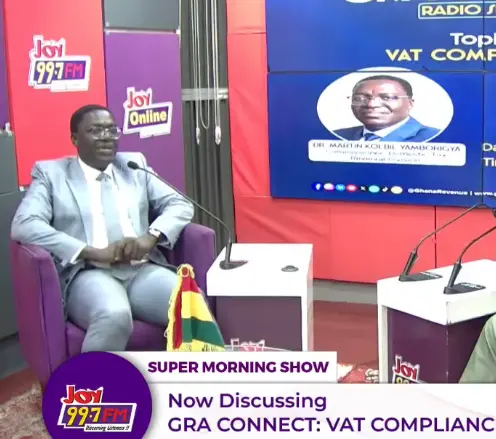
Businesses above GH¢750,000 turnover must register for VAT - GRA
New VAT rules target businesses above a turnover threshold - are you compliant?
7h ago•2 min read