New AI technology detects 'hidden sperm' in men deemed infertile
New AI technology is locating sperm cells in men who were told they had none, giving couples who have been trying for years another chance at having children. Penelope received a call in early November 2025 whilst driving home from work in New Jersey in the US, with news she was finally pregnant after an agonising two and a half years of trying. Samuel, Penelope's husband, has Klinefelter syndrome, a genetic condition that affects males who are born with an extra X chromosome, often not diagnosed until adulthood. About 10% of infertile men experience azoospermia.
The pregnancy was only made possible thanks to the Star (Sperm Track and Recovery) system, developed by Columbia University to trace sperm in men with azoospermia. Samuel said he was told he had a 20% chance of having a biological child and that he "was scared" and thought he "wasn't going to be able to have my own kid, which is a really big part of my life." Male infertility is a contributing factor in up to 50% of cases and 1% of all men are azoospermic. The first baby to be born using the Star system allowed a couple who had battled with infertility for almost two decades to finally have a child.
Since the arrival of the first Star baby, the technology has been used regularly at the fertility centre, with the waiting list of people hoping to conceive growing to hundreds from all around the world. Based on the latest 175 patients to have used the technology, Zev Williams says they are finding sperm in just under 30% of cases. In further tests, Star was able to find 40 times more sperm than a manual search by a trained human technician, according to Williams.
Quick Summary
A new AI technology is offering hope to couples struggling with infertility. It helps locate "hidden sperm" in men previously diagnosed with none - but what does this mean for aspiring parents?
Summary - read the full story for complete context.
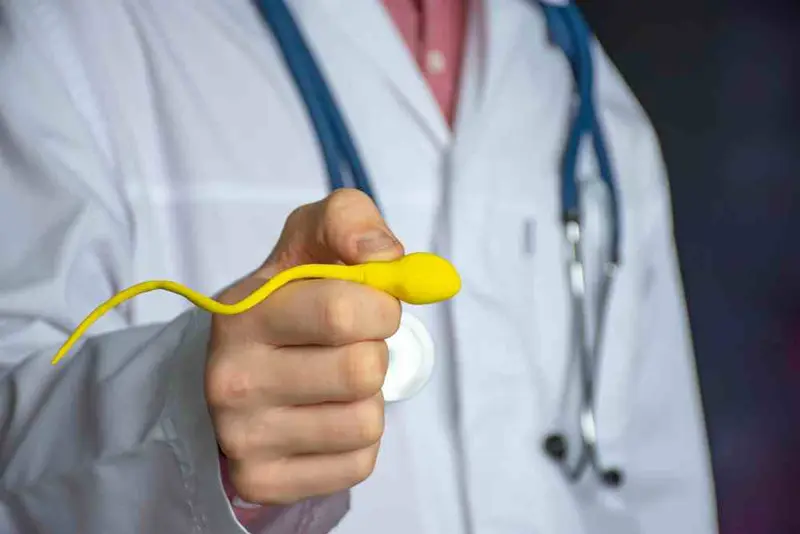
Image: Adom Online
GhanaFront aggregates news from trusted sources. Click to read the original article.
Keywords
Explore related tagsMore from Adom Online
Related Stories
More from Health
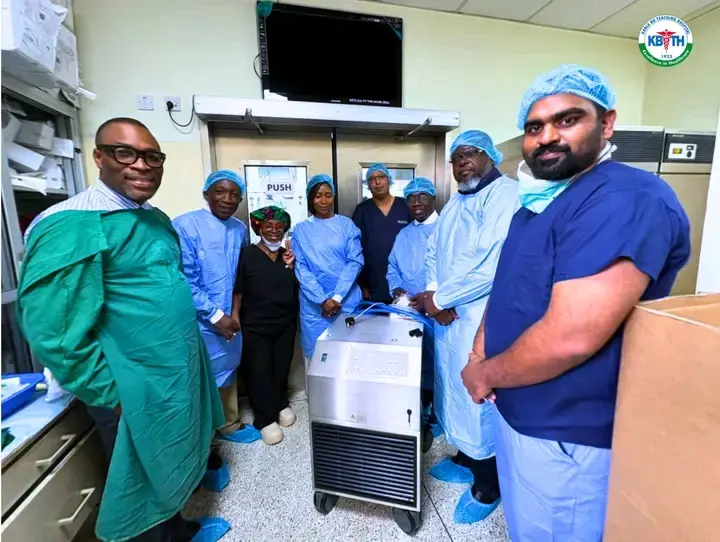
Quantum LC donates €75,000 state-of-the-art heater-cooler unit to National Cardiothoracic Centre
A major medical upgrade arrives at Ghana's heart surgery hub - but what does it mean for patients?
4d ago•